


Starmer faces rebellion over plan to cut jury trials
Nearly 40 Labour MPs have warned the prime minister they are not prepared to support proposals to limit jury trials.
In a letter to Sir Keir Starmer, MPs largely from the left of the party said restricting juries to major offences carrying three-year terms was “madness and will cause more problems than it solves”.
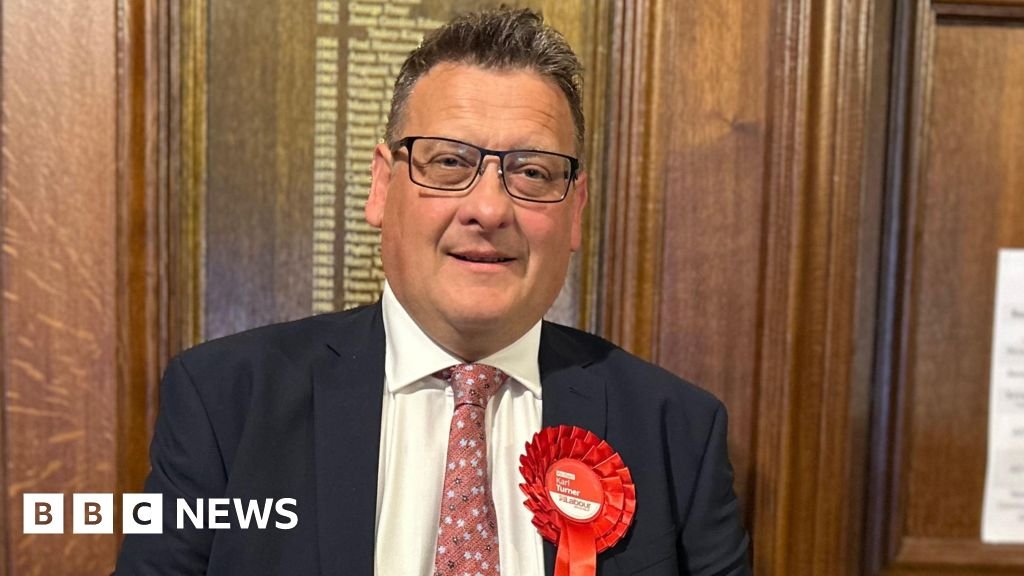
Former shadow attorney general Karl Turner, who organised the letter, said he will vote against Labour for the first time since Sir Keir took charge, branding the plans “simply unworkable”.
Sir Keir has previously answered concerns from MPs about the plans by telling them that jury trials already make up only a small proportion of trials in the criminal courts system.
Speaking to BBC Radio 4’s Today programme, Turner said the changes were “unjust” and the “right to be heard before a tribunal of their own people” had “existed for something like 800 years”.
“It won’t work and I’m afraid the government are going to have to realise that and change their tune,” he said.
In the letter 39 MPs suggest a number of other ways to reduce the courts backlog, including increasing sitting days, hiring more barristers as part-time judges called Recorders and asking the Crown Prosecution Service to consider bringing some cases in the backlog on a lower charge.
While not enough to overturn the government’s 148 seat majority, the letter represents a step up in Labour opposition to the government’s plans.
Those who signed the letter include senior figures such as Diane Abbott, the former shadow home secretary who is currently suspended from Labour, leading member of the Tribune group of Labour Vicky Foxcroft and Dan Carden, who leads the Blue Labour group of backbenchers.
Justice Secretary David Lammy, announced the measure on 3 December.
It scraps jury trials in England and Wales for crimes that carry a likely sentence of less than three years, removing the right for defendants to ask for a jury trial where a case can be dealt with by either magistrates or a new form of judge-only Crown Court.
Volunteer community magistrates, who deal with the majority of all criminal cases, will take on more work and new “swift courts” will be set up.
Lammy told MPs the new system would get cases dealt with a fifth faster than jury trials.
He added that it was necessary as current projections have Crown Court case loads reaching 100,000 by 2028, from the current backlog of almost 78,000.
This means that a suspect being charged with an offence today may not reach trial until 2030. Among the impacts of this are that six out of 10 victims of rape are said to be withdrawing from prosecutions because of delays.
The reforms are based on a review by former High-Court judge Sir Brian Leveson – which suggested ending jury trial for most crimes attracting sentences of up to five years and diverting offences to a new intermediate court called the Crown Court bench division.
In July of this year, Sir Brian said “fundamental” reforms were needed to “reduce the risk of total system collapse”. His proposals also included more out-of-court settlements like cautions.
There are around 1.3 million prosecutions in England and Wales every year, and 10% of those cases go before a Crown Court. Of those, three out of 10 result in trials.
Turner said that while Sir Brian was “eminent”, as a High Court judge he had not been in a criminal Crown Court for a long time.
“Speak to the men and women at the criminal bar they were there every single day of the week and they will identify the problem is not juries,” said Turner, a former criminal barrister.
Instead closed courts and late prisoner deliveries were behind the backlog, he said.
Discover more from News Link360
Subscribe to get the latest posts sent to your email.