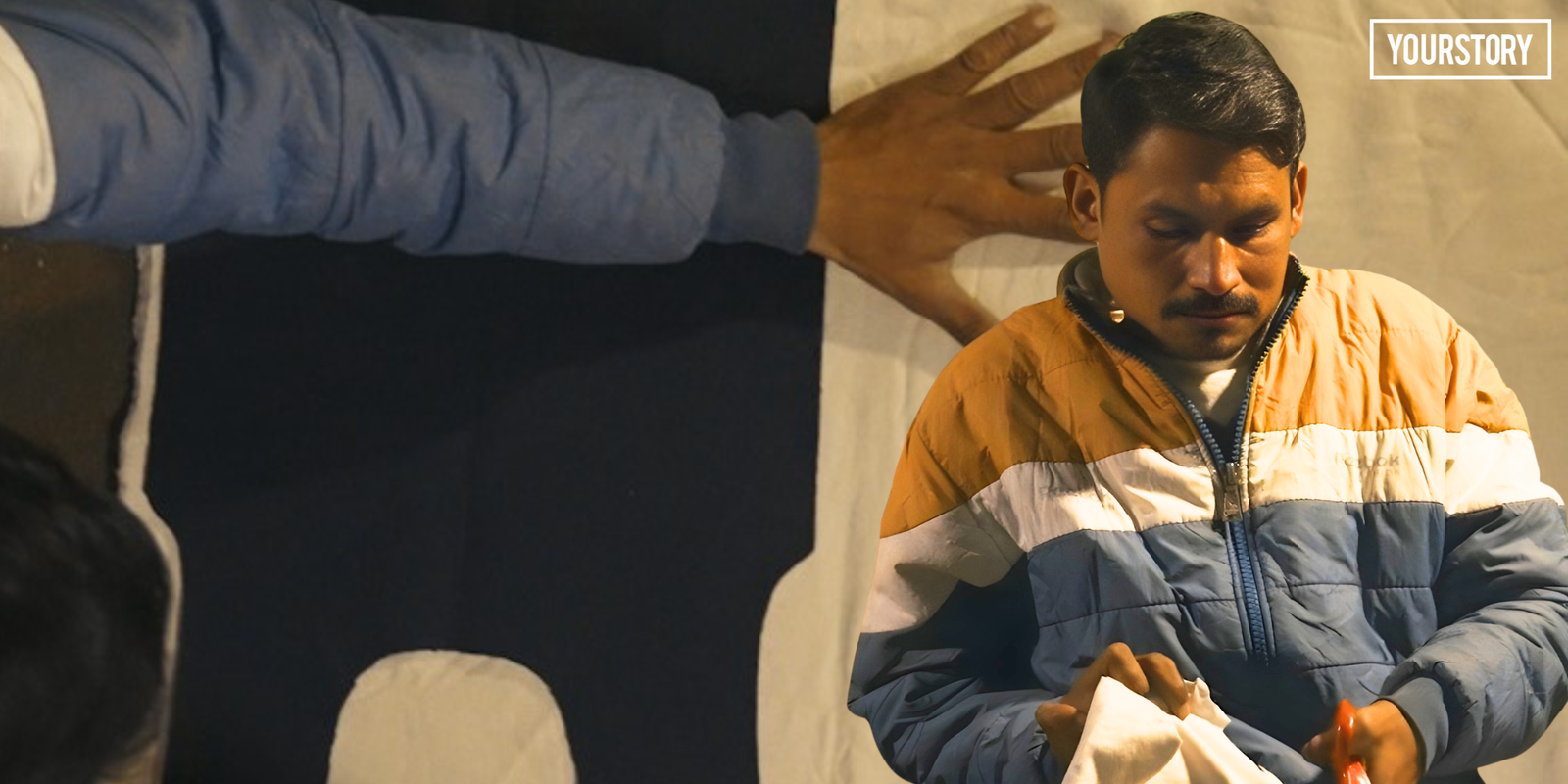


Inside a Rampur Workshop Supplying Burkhas Across UP and Uttarakhand
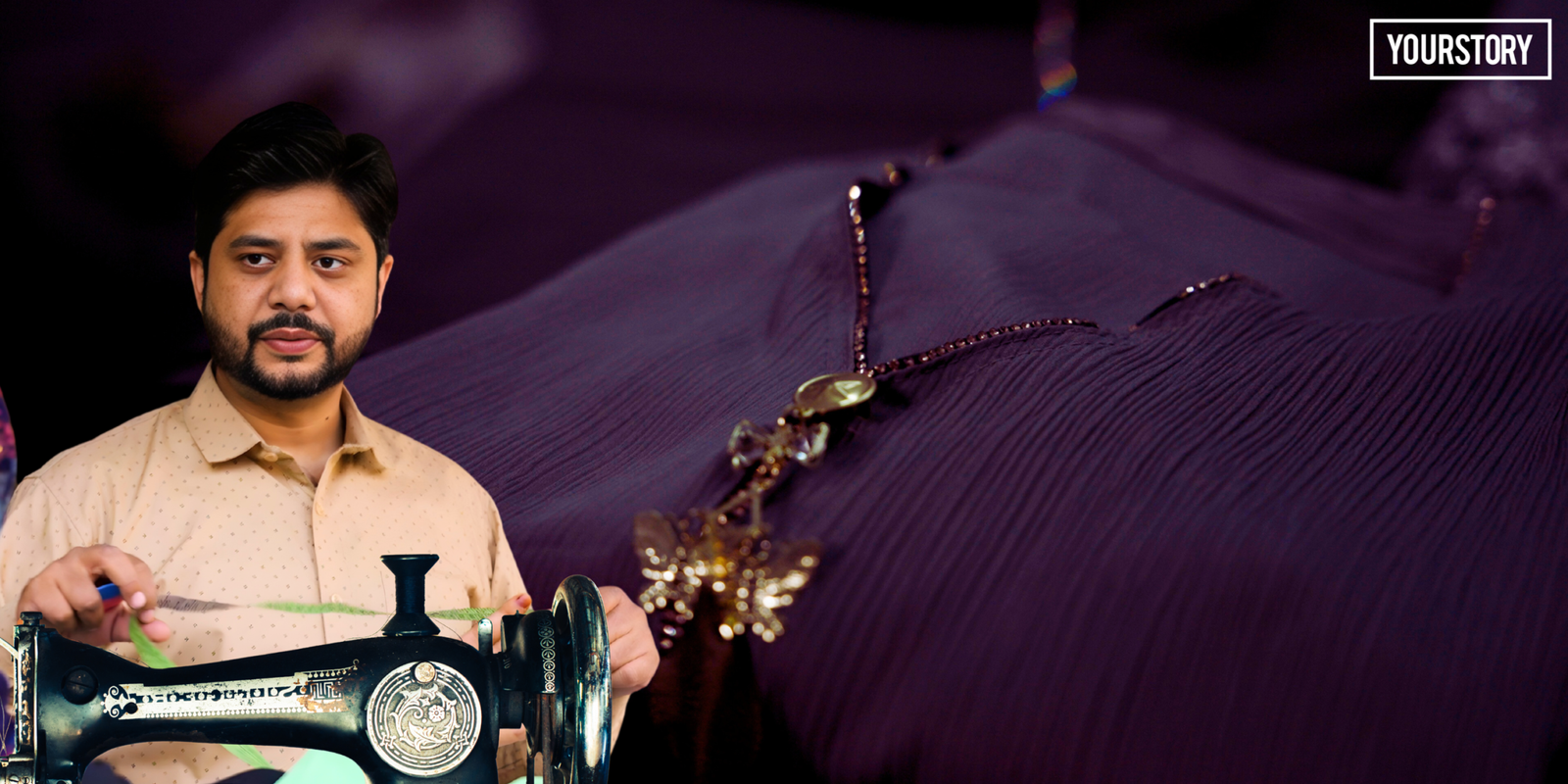

The founder-owner, who operates his unit from the Talamullah Aram area of Rampur, credits a state-backed loan under the Chief Minister’s Yuva Udyami Vikas scheme for helping formalise operations and handle rising orders, a shift he describes as the difference between taking two orders from a city and confidently accepting four.
From family craft to formal enterprise
The journey began at a relative’s tailoring shop, where he learnt cutting, stitching and finishing by observation and daily practice. After his uncle, a seasoned tailor, passed away, he set up his own unit at the current address and kept the craft alive. He started lean with two helpers, later adding a specialist cutting master.
Over time, the team expanded, and his own role moved from the sewing machine to sourcing, sales and delivery. Today, he spends most days in the market, collecting orders, fulfilling them, and ensuring payments move smoothly, while also attending to walk-in customers at the shop.
Building a market across districts
Demand grew organically through word of mouth and consistent fulfilment. According to him, the unit supplies a network of retailers in western Uttar Pradesh and the Kumaon belt of Uttarakhand.
The focus is on dependable turnaround, consistent sizing and sturdy stitching, factors that keep repeat orders flowing. He says the enterprise is small but nimble, able to adjust runs and styles based on retailer feedback without carrying heavy inventory.
How is a burkha made at this workshop
Fabric is sourced largely from Bareilly. Once it reaches Rampur, artisans undertake handwork as required, followed by cutting under a master cutter. The pieces move to stitching, then pressing, and finally packing. Finished lots are labelled and handed over to transport partners for dispatch to partner stores.
The founder-owner notes that this simple, linear flow keeps rework low and quality checks visible at each step.
A loan that unlocked growth
As orders increased, working capital needs rose, and the unit required better equipment and more hands. He learnt about the Chief Minister’s Yuva Udyami programme through local contacts and bankers, and applied.
He says the loan was sanctioned, monthly repayments have begun, and the infusion has stabilised cash flow. With financing in place, he has widened the product range within burkhas, increased batch sizes for repeat clients, and shortened delivery cycles.
What lies ahead
The immediate priority is to deepen distribution in existing cities, while adding a few new markets where retailer interest is strong. Hiring and training more cutters and stitchers is on the cards, along with tighter process controls to keep quality consistent at scale.
He also urges other young entrepreneurs to explore government schemes, noting that formal credit can turn a livelihood into a business. In his words, when small enterprises grow, employment follows, and the country progresses.
Discover more from News Link360
Subscribe to get the latest posts sent to your email.