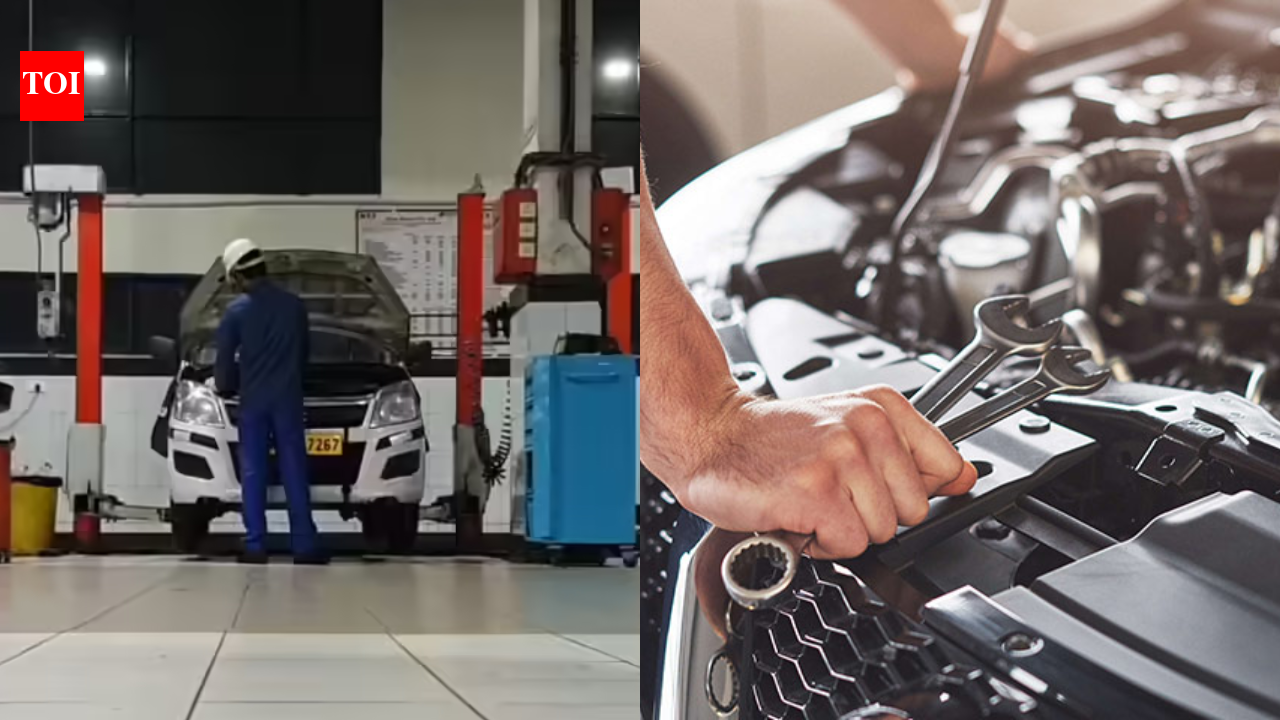
Auto companies raising prices in India in 2026: Mercedes-Benz, BMW, JSW MG and BYD

Several auto companies including Mercedes-Benz, BMW, MG Motor and BYD will increase car prices in India from January 1, 2026, citing rupee depreciation, higher input costs and rising logistics expenses across segments.

 1 / 6
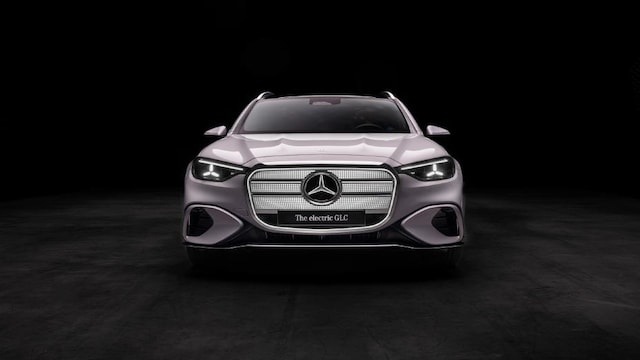
1 / 6Mercedes-Benz hike: Mercedes-Benz India has confirmed a price increase of up to 2% across its entire portfolio from January 1, 2026. The revision covers sedans, SUVs and performance models across ICE and EV line-ups. The company cited sustained euro-rupee volatility, rising input and operational costs, and the near 10% rupee depreciation in 2025 as key reasons. Bookings before December 31, 2025, retain current prices.
 2 / 6
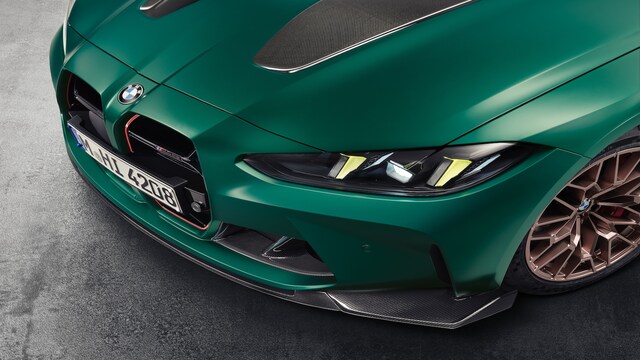
2 / 6BMW revision: BMW India will raise vehicle prices by up to 3% from January 1, 2026, impacting its sedan, SUV and performance car range. The move follows sharp rupee depreciation against the euro, increasing import-related costs. This comes after a 3% hike in September 2025. Entry-level models may see lower increases, while premium variants are expected to attract the full revision.
 3 / 6
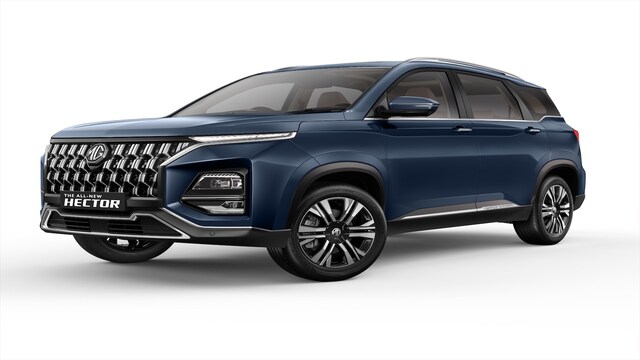
3 / 6JSW MG Motor update: JSW MG Motor India has announced a price hike of up to 2% across its ICE and EV portfolio effective January 1, 2026. The increase varies by model and variant, with lower trims seeing smaller changes. MG cited higher raw material costs and macroeconomic pressures. Customers booking vehicles by December 31, 2025, will continue to receive current ex-showroom prices.
 4 / 6
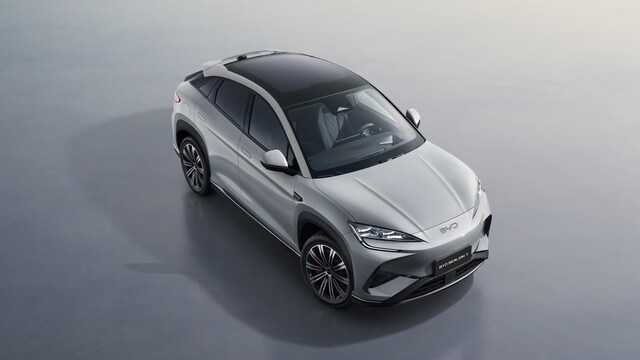
4 / 6BYD pricing: BYD India has confirmed a price increase for the Sealion 7 electric SUV from January 1, 2026. Buyers booking the model by December 31, 2025, will be protected from the hike. The Sealion 7, offered in Premium and Performance variants, has crossed 2,000 sales since launch. The company linked the revision to cost pressures while continuing its dealership expansion.
 5 / 6
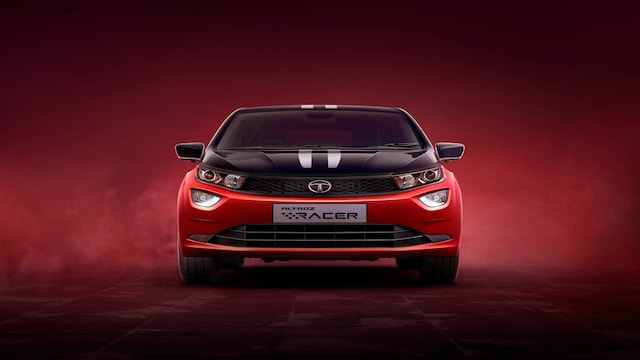
5 / 6Domestic signals: Among domestic manufacturers, Tata Motors has indicated plans for a price hike in the fourth quarter, while market sources suggest Mahindra & Mahindra may follow with revisions in early 2026. Maruti Suzuki and Hyundai India, which together account for over half of the passenger vehicle market, have not yet announced any price changes. Volvo is also expected to revise prices during the same period.
 6 / 6
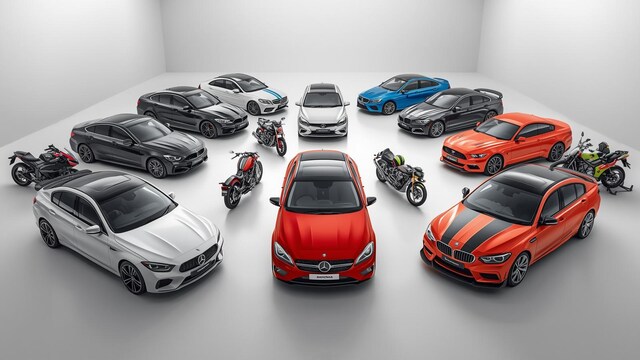
6 / 6Market outlook: Industry analysts attribute the upcoming price hikes to higher costs of steel, aluminium, electronics and batteries, along with rupee depreciation affecting imported components. Despite incremental increases, demand remains steady. VAHAN data shows passenger vehicle registrations up 14% year-to-date. Analysts expect the sector to maintain growth momentum in FY26 even as manufacturers adjust prices to protect margins.
Discover more from News Link360
Subscribe to get the latest posts sent to your email.