

Not another sneaker drop: Knotty is building India’s premium sneaker accessories market


Launched in December 2022, Knotty operates in a niche that, until recently, barely existed in India: premium sneaker accessories. From laces in dozens of colours to metal accents and styling add-ons, the brand is built on a simple but overlooked insight. While sneaker enthusiasts spend thousands on their shoes, the accessories that come with them are often an afterthought, in quality and design.
The idea emerged from a close look at India’s sneaker resale market. Demand clustered around the same silhouettes and colourways, and excitement ended once the purchase was made.
“The lack of individuality stood out to me very early on,” says Founder Raghav Bhargava. Once people stepped out in their sneakers, they all looked identical. What the market was missing wasn’t really another shoe; it was the freedom to make it one’s own.
Knotty’s entry into this sneaker accessories space was anything but accidental. The brand’s emphasis on quality and sourcing is rooted in a family background in apparel exports, where conversations around margins, timelines, and premium positioning are part of daily work. From the outset, the positioning was clear: if customers were being asked to pay a premium, the product had to justify it.
With over 50% of India’s population under the age of 25, demand for footwear that blends comfort, design, and cultural relevance continues to rise. What was once limited to athletes and niche collectors has expanded into a lifestyle category, driven by limited-edition drops, collaborations, and the growing perception of sneakers as both fashion statements and collectibles, particularly among Gen Z and urban millennials.
Knotty began with just eight SKUs, products that were largely unavailable in India at the time. The premise was simple: to create a single, reliable destination where customers could find laces and accessories in any colour or style they wanted, without resorting to unreliable suppliers or settling for low-quality alternatives that wear out quickly.
Creating a market for premium sneaker accessories, however, came with challenges. The first was education. Convincing customers that shoelaces and accessories could command a higher price required time, particularly in a market accustomed to inexpensive online options. Inventory planning without predictable demand, logistics, and even questions around sizing had to be worked out along the way.
The turning point came through repeat customers. Once users experienced the difference in quality, price became less of a barrier. Trust followed. In the early days, personal guarantees from the team, direct communication about orders, and even hand-delivered packages helped build credibility in a market sceptical about paying more for accessories.
Today, Knotty’s customer base resists easy categorisation. There’s no clear age bracket. A father of two enquires about laces for his Jordan 5s, while an 18-year-old wants styling options for football shoes. What connects them is an attention to detail. They aren’t chasing hype; they’re building looks that are personal.
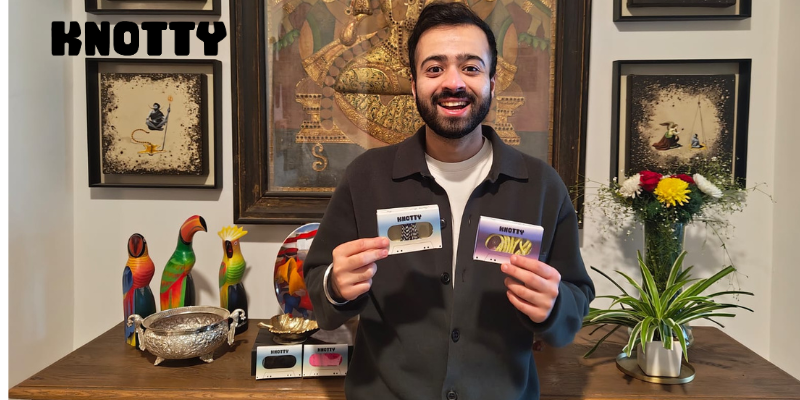
The brand’s philosophy centres on the idea of individuality as expression. Its products aren’t meant to stand alone, but to act as tools that allow the same sneaker to look completely different depending on how it is styled. Even the packaging reflects this mindset. Knotty’s cassette-style boxes come with custom Spotify playlists tied to different moods, extending the brand experience beyond the physical product.
Product development, too, is driven by close engagement with the community. Feedback flows in through exhibitions, video calls, and direct one-on-one conversations with customers. Rather than relying on assumptions, the brand follows an iterative approach, shaping its offerings around how people actually use and style their sneakers.
The numbers reflect this customer-first approach. Knotty has generated Rs 19.3 lakh through its direct-to-consumer channels, which include its website, exhibitions, events, and Instagram. The brand has also ventured into B2B, working with shoe customisers and export companies, a segment that has brought in Rs 8 lakh since its launch earlier this year. Offline partnerships with stores such as CDC, Dawntown, and Culture Circle have contributed Rs 13 lakh. With a repeat customer rate of 25% and an average order value of Rs 800, the brand is seeing steady traction.
As a brand focused exclusively on shoe accessories, Knotty views its narrow focus as a strategic advantage. Sourcing and quality control are strengthened by long-standing relationships with suppliers built through the family’s apparel business.
The brand’s near-term strategy is to own the sneaker accessories category completely before expanding into adjacent categories such as apparel. Over the next two years, Knotty aims to scale its D2C sales to Rs 40-50 lakh while increasing its foothold in the domestic B2B market. The larger ambition extends beyond sales numbers. Knotty wants to change how people in India think about footwear – not just which sneaker to buy, but how to make it personally meaningful.
“You buy a new pair of shoes, and your instinct should be, ‘I’m going to Knotty next”, Bhargava says.
If the brand succeeds, it won’t simply be by selling laces and add-ons. It will be by creating a cultural shift – encouraging people to see sneakers as a canvas for self-expression rather than uniform status symbols. The goal is clear: individuality over imitation.
It may seem like a small detail, but in sneaker culture, shoes are often the first thing people notice. Knotty is betting that Indian consumers will increasingly want those first impressions to feel lasting and personal.
Over the last decade, sneaker culture in India has moved swiftly from the fringes to the mainstream, shaped by global streetwear influence, social media, and a young, style-conscious consumer base. The country’s $2.5-billion sneaker market may have only recently gained momentum, but it is now on a steady growth trajectory, according to multiple industry forecasts.
The brand currently operates primarily online and through exhibitions, following a bootstrapped model that prioritises organic growth and deep customer understanding. Two and a half years in, Knotty is still early in its journey. But in a crowded footwear and fashion landscape, its bet on depth over breadth is beginning to resonate with customers who want their style choices to speak for themselves.
Discover more from News Link360
Subscribe to get the latest posts sent to your email.