

2025 electric two-wheeler market: Ola’s lead wanes as legacy OEMs take charge
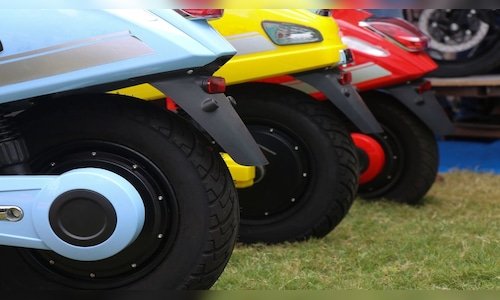
In the early months of 2025, Ola Electric maintained a strong presence, commanding mid- to high-20% market share. But as the year progressed, that share gradually slipped into the high teens, occasionally dipping below 20%. Meanwhile, TVS Motor and Bajaj Auto consistently led monthly sales charts, Ather Energy narrowed the gap with Ola, and Hero MotoCorp’s
Vida grew rapidly from a smaller base. By mid-2025, it was evident that the electric two-wheeler market had transitioned from a startup-driven phase to one increasingly dominated by legacy manufacturers.
Operational challenges weighed heavily on Ola. Production volatility, delivery inconsistencies, and the limitations of a dealer-less, direct-to-consumer model led to uneven registrations. Service-related issues, software glitches, and longer repair turnaround times further dented brand perception.
The challenges were not unique to Ola. Subsidy normalisation increased the effective acquisition cost for consumers, particularly affecting price-sensitive buyers. Global supply constraints, especially for rare-earth magnets used in electric motors, caused production delays and added volatility to monthly sales.Also Read | Ola Electric Roadster X+ gets approval, first e-motorcycle with 4680 Bharat Cell battery
Rising competition further fragmented market share. Nearly every major two-wheeler OEM now has an electric offering, intensifying the battle for volumes and customer loyalty. Profitability remained elusive across the industry, with elevated battery costs, aggressive discounting, and high marketing spends pressuring margins.
Yet, the structural story for electric two-wheelers in India remains robust. Total volumes continued to grow year-on-year, with adoption spreading beyond metros into tier-two and tier-three cities. Charging infrastructure improved, product quality increased, and newer models offered longer range and better reliability.
In retrospect, 2025 will be remembered as a transitional year for India’s electric two-wheeler industry—a year where leadership changed, competition intensified, and execution became the defining factor. For Ola Electric, it exposed the challenges of scaling sustainably. For the industry, it marked the start of a more mature EV era, where consistency, trust, and service will separate the winners from the rest.
Also Read | Ather Energy says prices of scooters to rise up to ₹3,000 from January
Discover more from News Link360
Subscribe to get the latest posts sent to your email.