

India’s auto sector in 2025: E20 fuel shift, GST reset and EV moves reshape market


 1 / 10
Fuel mandate: India moved to nationwide E20 petrol from April, targeting lower oil imports and higher ethanol use. The change raised questions about engine life and lower mileage, and independent tests showed bigger drops than predicted. Customers sought clarity on warranties and compatibility. Courts backed the rollout, signalling that the policy will continue and shape how fuels are managed in the coming years.
 2 / 10
Tax overhaul: GST changes altered vehicle pricing across categories. Compact cars shifted to 18 percent GST, larger vehicles moved to a uniform 40 percent slab, and sub-350cc two-wheelers also dropped to 18 percent. Bigger motorcycles became costlier. Automakers reduced prices further to support sales, aligning the tax shift with seasonal demand and changing affordability patterns across the market.
 (Photo Credit : Bloomberg)3 / 10
Import shifts: The Union Budget cut import duty on motorcycles below 1,600cc and removed customs duties on several EV battery inputs and related capital goods. Vehicles over 50 years old can now be imported without a licence, though total duties remain high and resale rules remain tight. These steps encouraged localisation, supported EV manufacturing inputs, and formalised a niche collector market.
 4 / 10
Global agreements: The India-UK trade pact introduced phased duty cuts for luxury cars and large bikes built in the UK, eventually reducing rates to 10 percent through a quota system. From year six, the UK will remove duties on electric vehicles made in India. UK-based brands gain price advantages, while Indian manufacturers gain a clearer pathway to new export volumes.
 5 / 10
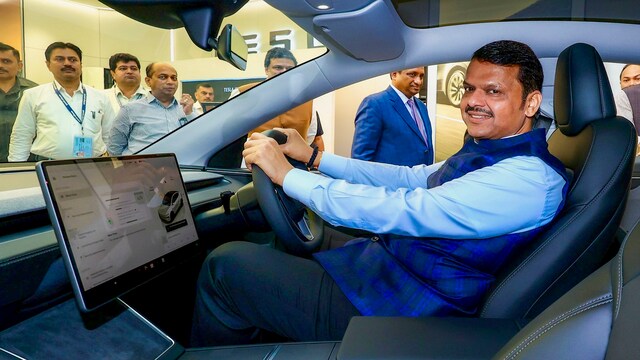
EV ecosystem: Tesla opened its first showroom and charging network, and Vinfast launched two electric SUVs while outlining broader product plans. A government scheme aimed to draw global EV investments, though early participation was limited. A separate programme for rare-earth magnet production followed supply disruptions, signalling a push to secure key materials and build stronger EV supply chains.
 6 / 10
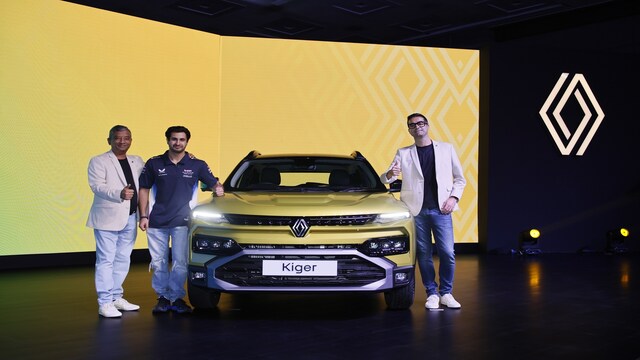
Corporate control: Renault took full charge of its Chennai plant after Nissan’s exit, gaining control over production schedules, workforce planning, and capacity use. The brand also opened a new design centre in the city, its second largest worldwide. The change highlights how multinational firms are reorganising Indian operations to prioritise design input, localisation, and clearer decision-making.
 7 / 10
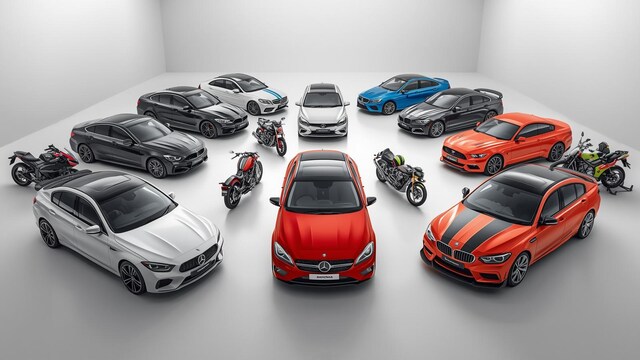
Efficiency targets: Draft CAFE 3 rules set tougher fuel-efficiency and CO₂ goals for the period from 2027 to 2032. Automakers will need to adjust model portfolios to meet fleet-average standards. Smaller cars may claim additional reductions in reported emissions, and hybrids and EVs can count as super credits. Industry debate focused on pricing, strategy, and compliance timelines.
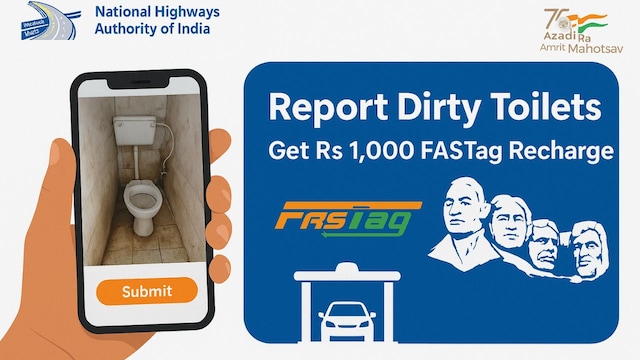
(Photo Credit : Report dirty highway toilets and get ₹1,000 FASTag recharge. (Representative image created by ChatGPT) )
8 / 10Infrastructure feats: India opened the world’s highest motorable road at Mig La, improving access in remote terrain and strengthening border links. The national FASTag annual pass gained strong adoption, offering toll savings but excluding several major routes. Delhi also tightened rules on older vehicles, limited access to fuel, and raised post-15-year fitness costs, signalling firmer enforcement on urban emissions.
 9 / 10
Market momentum: The year began slowly, but GST restructuring and festive demand reversed the trend. Strong sales from September to November lifted projected growth to 4.5–5 percent, with over 42 lakh vehicles sold by November and expectations of 50 lakh by year-end. The upturn showed how policy timing and price signals influence buyer decisions and dealer performance.
 10 / 10
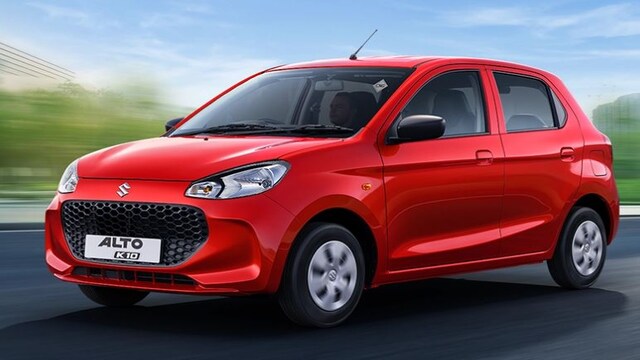
Brand milestones: Several long-running models marked key anniversaries — Hyundai Creta completed 10 years, Toyota Innova and Maruti Swift reached 20, Maruti Alto completed 25 with five-million sales, and Mahindra Bolero marked 25 years. The midsize SUV segment intensified with new launches and confirmed returns, highlighting how enduring model loyalty and shifting segment focus are shaping future strategies.
Discover more from News Link360
Subscribe to get the latest posts sent to your email.