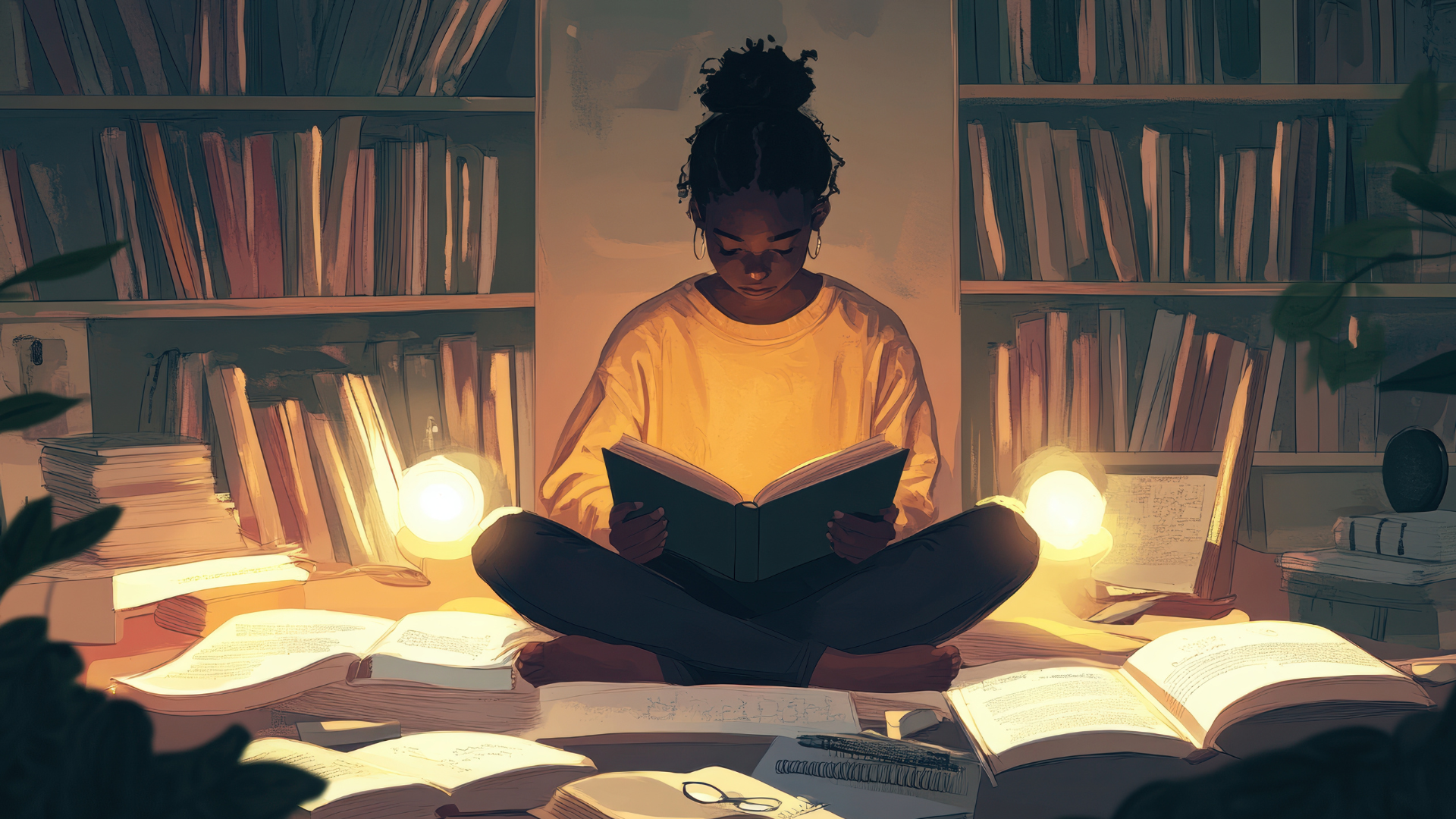

Every year, many of us begin with ambitious reading goals. We promise ourselves 50 books, join reading challenges, download apps, and stack our shelves with good intentions. And yet, by March, the habit quietly fades. Not because we don’t love reading, but because the way we approach it is unsustainable.
2026 feels different. After years of digital fatigue, constant notifications, and short-form content shaping our attention spans, people are craving depth again. Reading is no longer just about finishing books; it’s about slowing down, thinking clearly, and reconnecting with ourselves. But to make reading a consistent part of life, the goal can’t be “read more.” It has to be read better, in a way that fits your life.
A lasting reading habit isn’t built on guilt or pressure. It’s built on small, intentional choices, choosing books that genuinely excite you, creating space for reading without forcing it, and allowing your relationship with books to evolve. In 2026, reading is less about numbers and more about nourishment.
This guide will help you set realistic reading goals and build a book habit that doesn’t collapse after a few weeks, but quietly becomes part of your everyday rhythm.
How to build a sustainable reading habit
Rethink reading goals
The biggest mistake most readers make is tying success to a number. While numerical goals can be motivating, they often turn reading into a race. When you rush through books just to meet a target, reading stops being joyful and starts feeling like another task on your to-do list.
Instead of asking, “How many books should I read in 2026?” ask, “What kind of reader do I want to be?”
Do you want to read more fiction and escape into stories? Explore non-fiction that helps you grow personally or professionally? Revisit classics you’ve always postponed? Your reading goals should reflect your interests, not trends or social media challenges.
A sustainable goal could be as simple as reading for 15 minutes a day or finishing one book a month that you genuinely enjoy. These goals are easier to maintain—and far more rewarding.
Choose books that keep you coming back
One reason people abandon reading habits is boredom. Too often, we force ourselves to finish books we don’t enjoy simply because they’re popular or considered “important.” But reading is deeply personal. If a book doesn’t connect with you, it’s okay to let it go.
In 2026, permit yourself to be a selective reader. Pick books that spark curiosity, comfort, or excitement. Mix genres freely—self-help one month, fiction the next, essays when your attention feels scattered. No rule says your reading list must look impressive.
When you read books you’re genuinely interested in, consistency becomes effortless. You stop needing motivation because the desire to read comes naturally.
Build reading into your daily life
A lasting reading habit doesn’t require dramatic lifestyle changes. It simply needs a place in your existing routine. The key is to attach reading to moments that already exist in your day.
You might read a few pages with your morning tea, during your commute, or before sleeping instead of scrolling. Even ten minutes of focused reading a day adds up to several books a year.
What matters is consistency, not duration. Reading regularly, even in short bursts, helps train your mind to expect and enjoy that quiet time. Over weeks and months, it becomes something you look forward to, not something you have to remind yourself to do.
Create a reading environment that supports focus
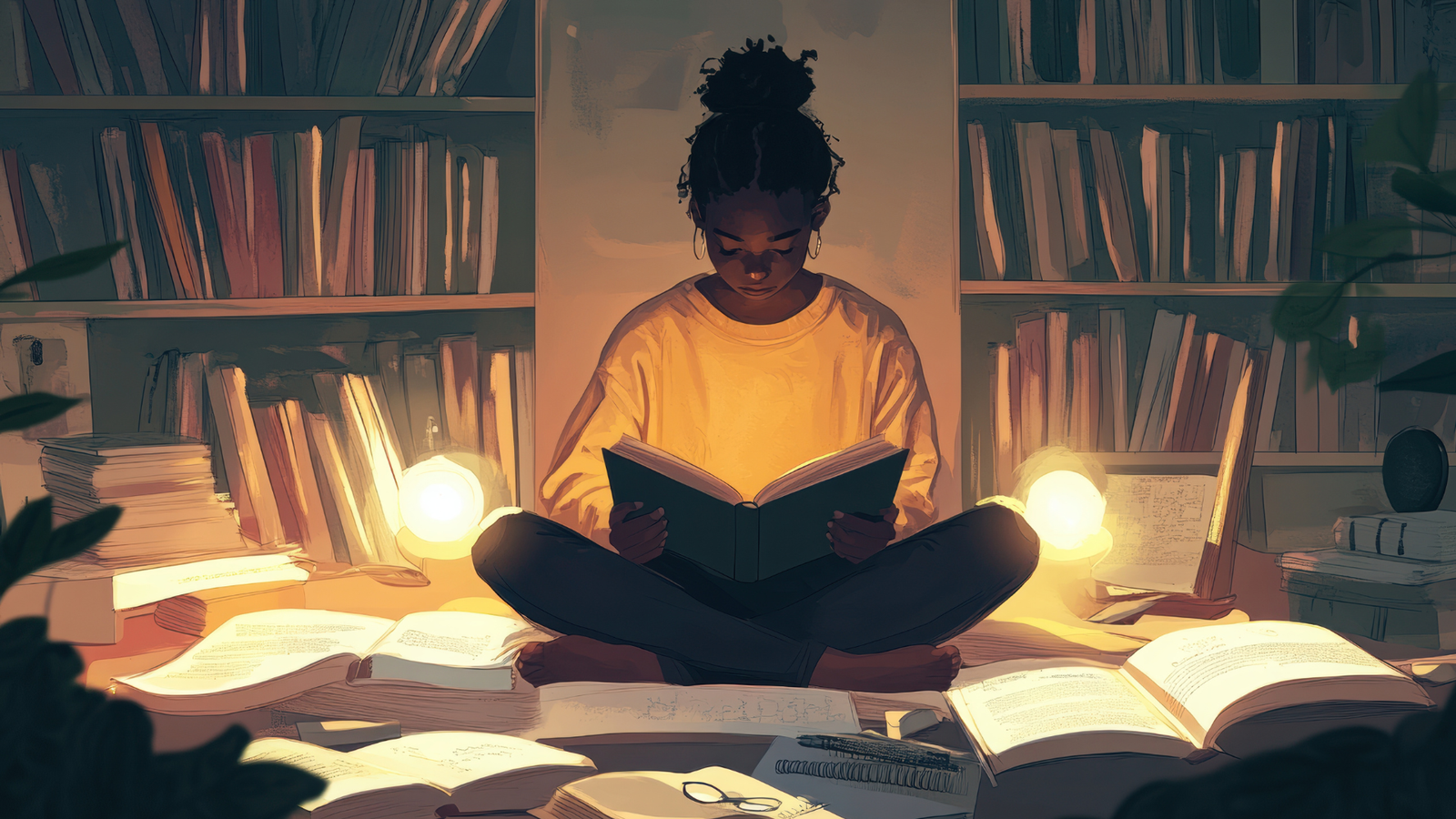
Your environment plays a bigger role in reading than you might realise. If your phone is always within reach, distractions are inevitable. Creating a small, intentional reading space can make a huge difference.
This doesn’t have to be a dedicated room. It could be a specific chair, a corner of your bed, or even a café you visit once a week. Associating reading with a particular place signals your brain to slow down and focus.
In 2026, many readers are also rediscovering physical books to reduce screen fatigue. If you prefer digital reading, try using dedicated e-readers instead of phones to minimise distractions.
Let go of reading guilt
One of the biggest barriers to a sustainable reading habit is guilt; guilt for not reading enough, for abandoning books, or for taking long breaks. But reading isn’t a competition. It’s a personal practice.
There will be busy weeks when you don’t read at all. That doesn’t mean you’ve failed. The goal isn’t perfection; it’s returning to books without judgment.
When you remove guilt from reading, it becomes a refuge again. And that emotional connection is what keeps the habit alive long-term.
Track progress without pressure
Tracking your reading can be motivating, but only if it doesn’t turn into stress. Instead of focusing solely on numbers, track experiences. What did you enjoy? What ideas stayed with you? Which books changed the way you think?
Keeping a simple reading journal or note on your phone can help you reflect on your journey without turning it into an obligation. Over time, you’ll notice patterns in your tastes and reading moods, which makes choosing future books easier.
In 2026, the most meaningful reading goals aren’t about quantity. They’re about awareness.
Make reading a part of who you are
The strongest habits are identity-based. When you stop saying “I’m trying to read more” and start saying “I’m a reader,” your behaviour naturally aligns with that identity.
This doesn’t mean reading every day without fail. It means seeing books as a normal part of your life—something you return to when you need insight, comfort, or inspiration.
By the end of 2026, success won’t be measured by how many books you finish. It will be measured by how naturally reading fits into your life.
Final thoughts
Building a sustainable reading habit in 2026 isn’t about discipline or rigid goals. It’s about designing a relationship with books that feels supportive, flexible, and deeply personal.
Start small. Choose books you love. Create space without pressure. Let reading grow with you.
Discover more from News Link360
Subscribe to get the latest posts sent to your email.