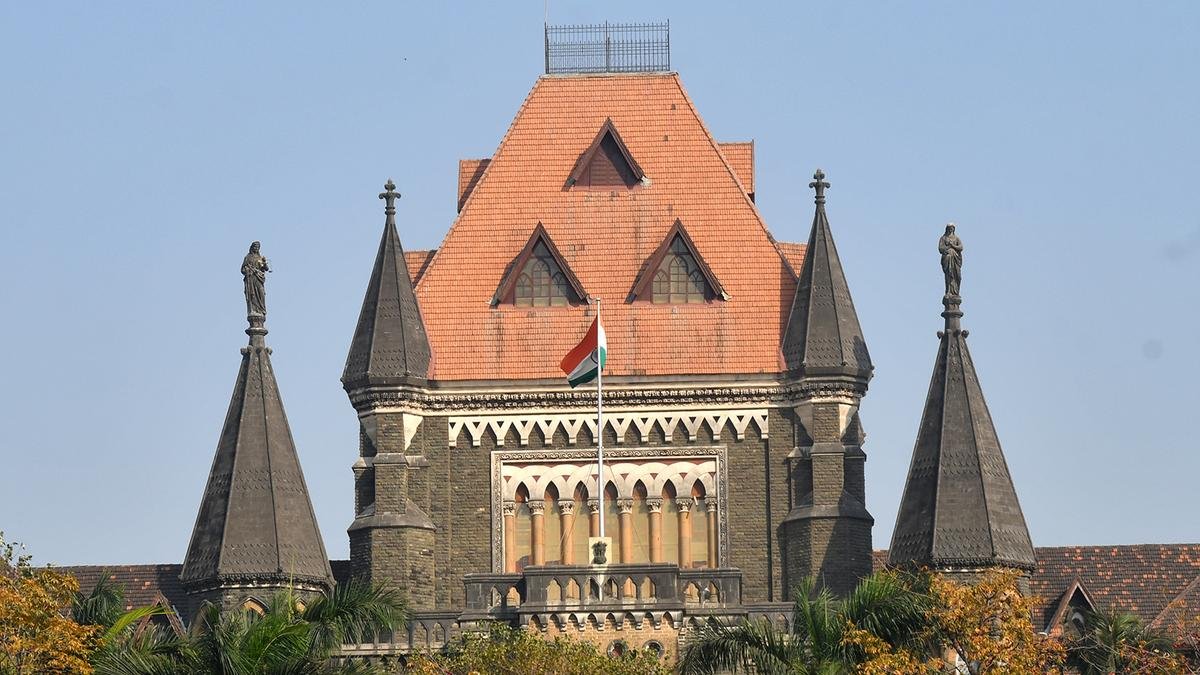
A Division Bench comprising Chief Justice Shree Chandrashekhar and Justice Gautam A. Ankhad passed the interim order while hearing multiple writ petitions challenging the MCA’s 2026–2029 election process, including the voters’ list and election schedule issued in December.
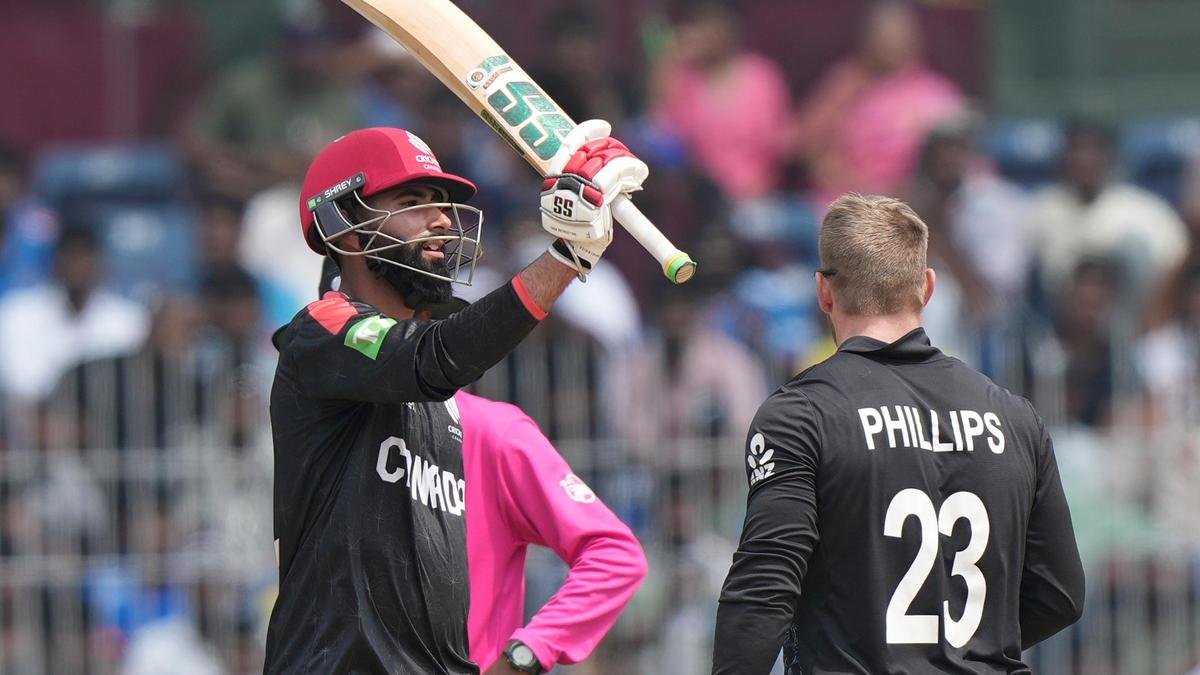
The petitioners were led by former India cricketer Kedar Jadhav, who had filed his nomination for a councillor’s post. Jadhav, the World Cupper, joined the ruling Bharatiya Janata Party and was set to challenge the incumbent president Rohit Pawar, an MLA of the Nationalist Congress Party (Sharad Pawar group). Besides him, the others to file petitions in the High Court were Latur District Association, former MCA secretary and life member Anant Mate and Shikshan Prasarak Mandali’s Sir Paarashurambhau College, also an MCA member.
The MCA election has a structure wherein 16 councillors are elected in various sub-categories. The elected members then internally decide office-bearers, either through consensus or voting.
The petitions alleged that the MCA had inducted around 400 new members in undue haste shortly before the elections, without adequate notice, disclosure, or opportunity for objections, thereby altering the electoral landscape in violation of the association’s rules and principles of natural justice.
ALSO READ | Vijay Hazare Trophy 2025-26: Aman Rao double ton helps Hyderabad cruise to win against Bengal
In its order dated January 5, the Court observed that the manner in which the members were inducted raised serious procedural concerns. The Bench noted that approvals of 397 new members and ratification by the general body appeared to have taken place on the same day, with no meaningful disclosure of minutes of meetings of the Apex Council or the AGM. Existing members, the Court said, were effectively denied an opportunity to object.
The Court held that the process prima facie violated principles of fairness and transparency, observing that members became aware of the large-scale inductions only after the publication of the voters’ list. The absence of a clear agenda item for induction and approvals by a show of hands was also flagged as troubling.
The Bench also found fault with the Electoral Officer’s order dated December 29, 2025, rejecting objections to the voters’ list. It observed that the officer had taken an unduly narrow view of his role and failed to appreciate the impact of mass inductions on electoral fairness. The Court explicitly noted that the Electoral Officer’s view was prima facie not correct.
Rejecting the MCA’s contention that no court interference was permissible once the election process had begun, the Court held that its powers under Article 226 of the Constitution were wide enough to intervene where apparent illegality was shown. Allowing the elections to proceed, the Bench said, would perpetuate the alleged illegality.
The Court further observed that even in the absence of a formal constitutional amendment, the numerical increase in membership significantly altered the functioning, quorum, and voting strength of the MCA, raising constitutional concerns in substance.
Holding that the balance of convenience favoured the petitioners, the Court stayed the elections and directed the Electoral Officer not to proceed further. The stay will continue until further orders. The MCA and other respondents (Election officer, Charity Commissioner, Pune and the State of Maharashtra) have been directed to file their replies by February 3, with the matter listed for further hearing on February 4.
Published on Jan 06, 2026
Discover more from News Link360
Subscribe to get the latest posts sent to your email.