

WPL 2026: India has caught up with England and Australia, says Mumbai Indians head coach Lisa Keightley
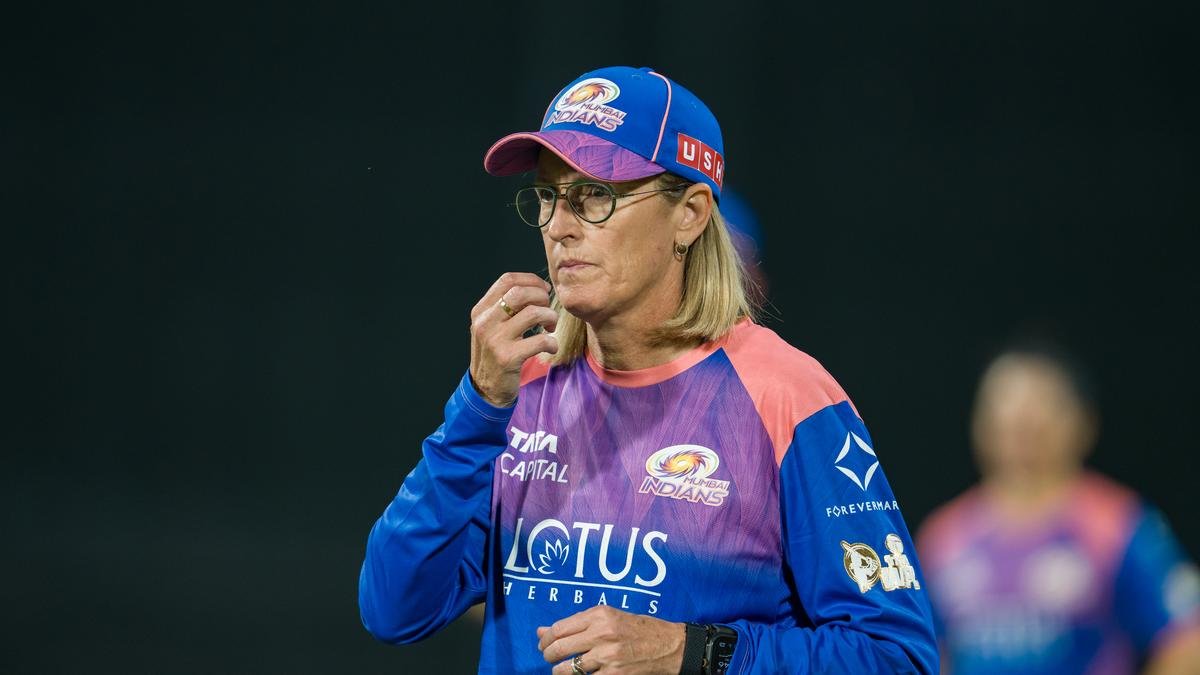
The Australian has been coaching for more than two decades since retiring from international cricket in 2005. A prolific batter in her playing days, she moved quickly into coaching, beginning with New South Wales, where she helped guide the side to consecutive Women’s National Cricket League titles. That success led to her appointment as head coach of the Australian women’s team in 2007, making her the first woman to hold the role.
| Photo Credit:
Getty Images

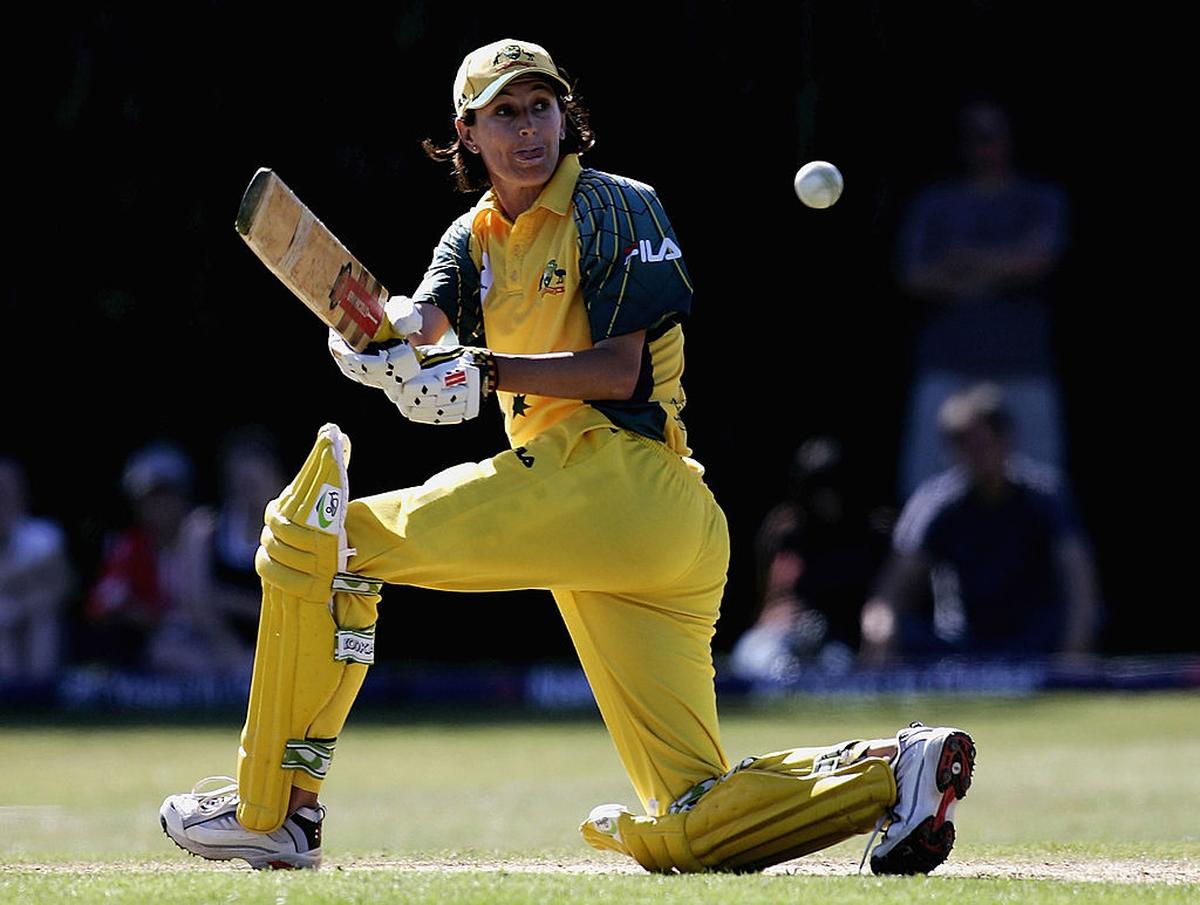
Lisa Keightley in action for Australia during an ODI match against England in Stratford-Upon-Avon in 2005.
| Photo Credit:
Getty Images
In 2011, Keightley took charge of the England Women’s Academy, the country’s development pathway programme, alongside consultancy work with Wiltshire Cricket and the England and Wales Cricket Board. That phase culminated in her becoming England women’s head coach from 2019 to 2022.
Her tenure coincided with the pandemic, but she still delivered results. England reached the final of the 2022 ODI World Cup and the semifinals of the 2020 T20 World Cup and the 2022 Commonwealth Games, while several young players were integrated into the senior side.
Keightley has also left a strong imprint on franchise cricket. She led Perth Scorchers to multiple finals in the Women’s Big Bash League before moving to Sydney Thunder, where she helped build pathway programmes. She later worked with the SA20 franchise Paarl Royals, advocating for greater female representation in coaching roles.
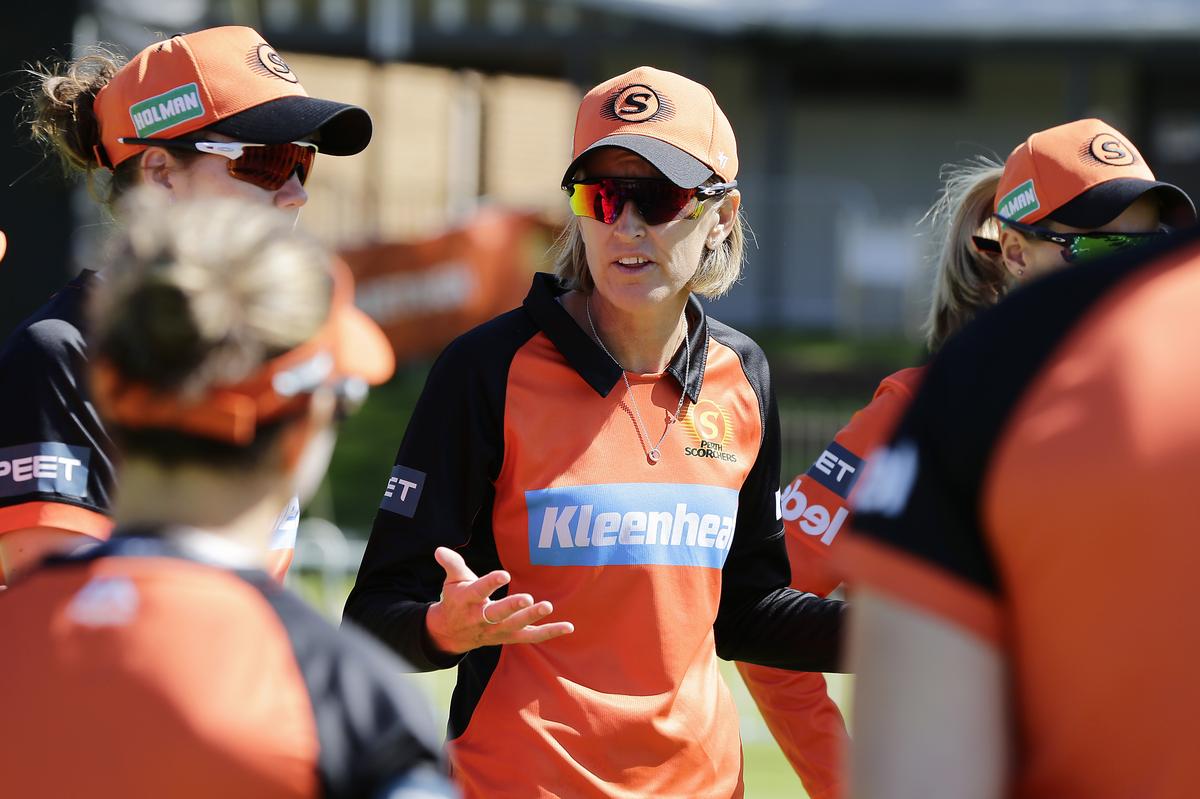
Lisa Keightley, head coach of Perth Scorchers, speaks to the team during a Women’s Big Bash League match against Sydney Sixers in 2019.
| Photo Credit:
Getty Images
Lisa Keightley, head coach of Perth Scorchers, speaks to the team during a Women’s Big Bash League match against Sydney Sixers in 2019.
| Photo Credit:
Getty Images
In the Women’s Premier League (WPL), she served as assistant coach at Delhi Capitals, with the team reaching the final in all three editions so far. A stint with Northern Superchargers in The Hundred followed, culminating in a title win in 2025.
“Anyone would want to coach Mumbai Indians,” she once said. From 2026, she does just that, taking charge of the two-time WPL champion and leading an all-women backroom staff, a fitting extension of her long-standing commitment to widening opportunities for women in the game.
Sportstar spoke to Keightley about the growth of women’s cricket, the challenges bowlers face in the WPL, and more.
What drew you to Mumbai Indians from Delhi Capitals?
I was an assistant coach at DC, which was a fantastic experience. I enjoyed it from a different perspective, but I have always had the passion to be a head coach, and getting the opportunity to do that in the WPL was something I hadn’t done before. So, when the opportunity presented itself, I was very interested in pushing myself out of my comfort zone in another environment, in a different country.
The WPL is held in great regard within the Indian ecosystem for the competitiveness and opportunities it brings. How does the cricketing world outside view this league?
There are only a certain number of international players who get the opportunity. So, watching from afar, they know how competitive it is. As an international player, you want to be a part of those competitions. I have a lot of players coming up to me who aren’t here, asking me what it’s like. Most players, at some point, want to play cricket in India because the people are so passionate about the game. To come and experience that is different from any other competition in the world. The crowds, the hype, the involvement of the owners—it’s all something special to experience. For an international coach or cricketer, it ticks a bucket-list box. Everyone wants to be involved in the best competitions in the world, and this is one of them.
How different is the WPL from the WBBL or The Hundred in terms of how embedded it is within the larger system of the country?
Each is different in different ways. In the WBBL, the domestic players are professional athletes. They’ve done the grind for several years. From that perspective, the domestic players across the board are probably a lot stronger. The WPL is new, while the WBBL has been going for 11 seasons, and that contributes to greater experience among the domestic crop there.
The Hundred is a different entity. Different rules and different concepts, which is a nice change, to be honest. You also play alongside the associated men’s team. There is scope for a lot of crossover and interaction, which you don’t get in other leagues. The crowds are great, too.
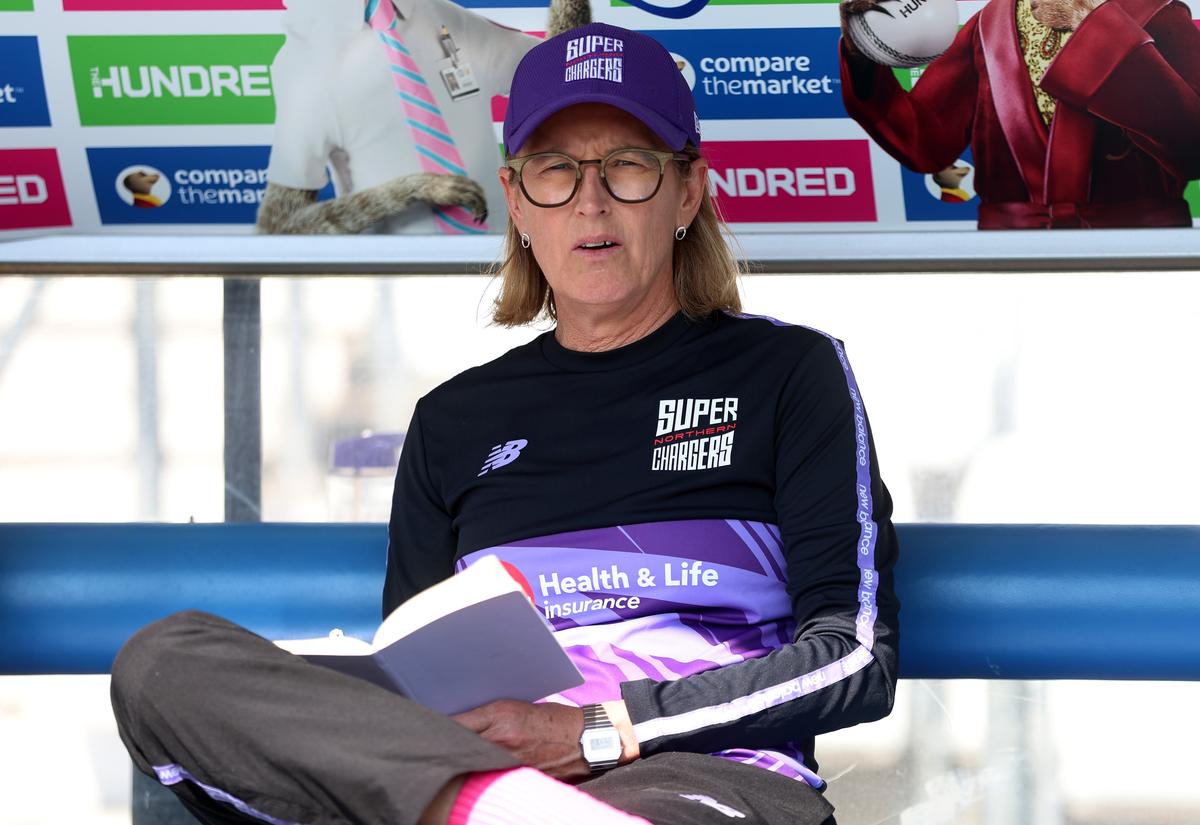
Keightley coached the Northern Superchargers women’s team to the title in The Hundred last year.
| Photo Credit:
ECB via Getty Images
Keightley coached the Northern Superchargers women’s team to the title in The Hundred last year.
| Photo Credit:
ECB via Getty Images
The WPL is also different. It is frantic, busy, and everyone constantly wants a piece of you. You don’t get the kind of crowds you see here elsewhere. In India, the boundaries are small, and conditions are tough with the dew. It adds to the challenge levels. We have three fantastic competitions for women in the world, and that can only mean good things for the game.
It’s a batter’s world in T20 cricket today. How can a coaching staff better support bowlers with pitches increasingly favouring higher scores?
The bowlers have to be very resilient. They need to be able to bowl a delivery, park it regardless of the outcome, and come back and execute the next ball. Dew helps batting at night, and the smaller boundaries add to that. It makes this competition one of the hardest in the world for domestic and international seamers.
The job, then, is to temper expectations. We’re realistic about when bowlers have had a good day and when they haven’t, and it’s really hard to have good days, particularly when your role is in the PowerPlay or at the death. That’s why it’s so important to have experienced bowlers who you know can handle those two phases. That’s what we look at when building teams. You need experienced bowlers who can cope under that pressure.
An ambition for India has been to use the WPL to build a competitive pace-bowling pool. Don’t these conditions make that harder?
It’s really hard because, at this level, if you don’t execute your skill, you’re probably not going to get the opportunity to do it again, or you could end up on the bench. On one hand, coaches and owners need to understand where bowling is at and give opportunities to potential seam bowlers who can grow within this competition. It’s hard to do because, at the end of the day, you want to win. If your bowlers can’t execute, they probably won’t get too many chances because the ultimate aim is to win the competition.
Kranti Gaud and Renuka Singh are good examples of players who can manage that responsibility through good days and bad. If they can do it here, they can do it anywhere in the world.
Indian cricket’s philosophy is usually spin-dominated. In the women’s game, if you can take pace off and make batters create the pace to get the ball over the rope, it creates opportunities for wickets too. It’s a tricky balance. When we work with our bowlers, we also try to get them to make peace with going for 10 runs an over. That framing is important. You might feel you’ve been expensive, but in the context of the game, you might have done your job. It’s about educating players and being realistic about what is good enough on that day.
Bowlers are now expected to contribute with the bat as well. Do you prioritise that when assessing players?
Oh, definitely. At the auction table and when we’re scouting, if two bowlers are similar in skillset, we take the better batter and fielder. You’ve got to be very good if you’re only good at one thing. Most teams, when they’re recruiting, want multi-faceted players who can bring options to a side. You saw this at the auction. The value of a player rises when they are prolific in all three departments. The more you can do, the better off you are and the more likely you are to get picked.
What was the auction experience like, especially given the reliance on domestic coaches for information?
I decided to put in time before the auction to see some of the talent here, so I came down to India for a good chunk of time and went with the coaching staff to watch matches in the senior T20 competition that was on at the time. We then held trials where over 100 players turned out. That gave me a good sense of what was out there. But yes, I do rely a lot on the domestic coaches, as they do with me for some of the internationals, like picking up Millie Illingworth and Nicola Carey, for example. They trust me, and I need to trust them.
What is Harmanpreet Kaur like to work with, and how does that relationship evolve?
Harman is an interesting one. I’ve coached against her a lot, and we didn’t know each other at all. So, the time so far has been about conversations and building connections. It’s great for a coach to have a leader who does everything she can to win. She has changed over the years in how she approaches that responsibility and how she works with players.
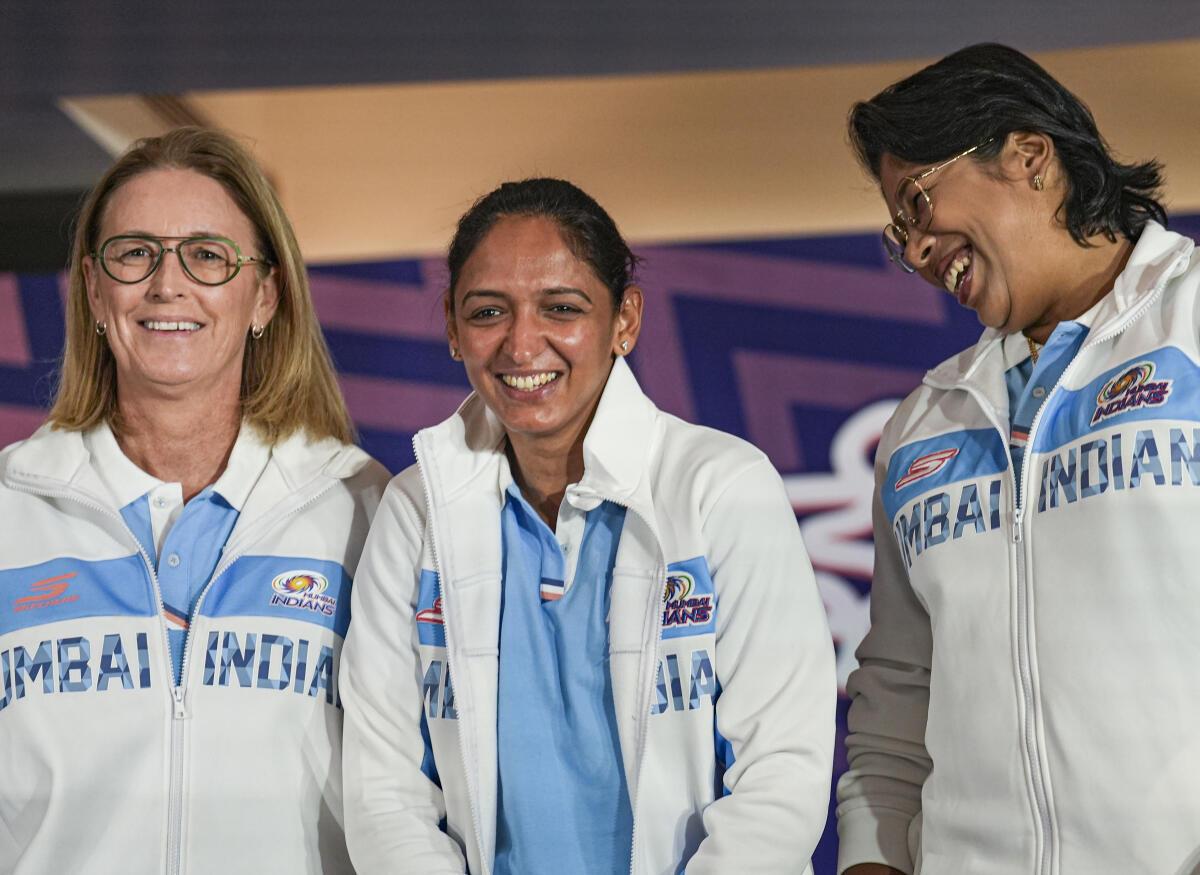
From left, Mumbai Indians’ head coach Lisa Keightley, captain Harmanpreet Kaur and mentor Jhulan Goswami during the Women’s Super League’s pre-season press conference in Mumbai.
| Photo Credit:
PTI
From left, Mumbai Indians’ head coach Lisa Keightley, captain Harmanpreet Kaur and mentor Jhulan Goswami during the Women’s Super League’s pre-season press conference in Mumbai.
| Photo Credit:
PTI
You’ve worked closely with Meg Lanning and now Harmanpreet. How do their leadership styles compare?
Meg and Harman, as leaders, are extremely competitive. They lead from the front. For a coach, when you have either of these players as your skipper, you know that 95 per cent of the time they’re going to make the right call under pressure. For me, it’s a perfect scenario.
I will get my Harmanpreet match experience soon, but what I’ve seen with Meg is that when she doesn’t get something right, and it’s not without thought, she will put her hand up and say she made the wrong call. She takes that on herself. From what we’ve seen so far, players want to play for leaders like Meg and Harman, which is so important. I’ll have more to draw from at the end of the league.
As a WPL coach, what has been your biggest challenge?
Boundary sizes! It’s challenging as a coach. But realistically, the language barrier is one. At DC, all players spoke English. In Mumbai, we do have three or four players who don’t, which has been challenging. But it’s part of what I signed up for when coming here and wanting to guide this side. We have a really good staff helping on that front.
The first year with a new team is always hectic. The priority is to be clear and communicate roles and execution clearly to players. Mumbai is very clear that it wants to defend the title, so setting up for that ambition is very exciting. Even though you feel the pressure, I actually like it. It reminds me of when I played. You have to turn up and put in a performance. If it doesn’t happen, you have to work it out.
India is often described as a future global powerhouse in women’s cricket. Has it truly caught up?
I think the WPL is pretty much what India was missing. It allows domestic players to perform under pressure, and it is big pressure. The league sets expectations very high. India has caught up across platforms with England and Australia. The domestic system ably supports the national team. People often say two to three years, but India is already very much up there with the rest.
Published on Jan 08, 2026
Discover more from News Link360
Subscribe to get the latest posts sent to your email.