

Bus timings affect students from remote areas in Erode
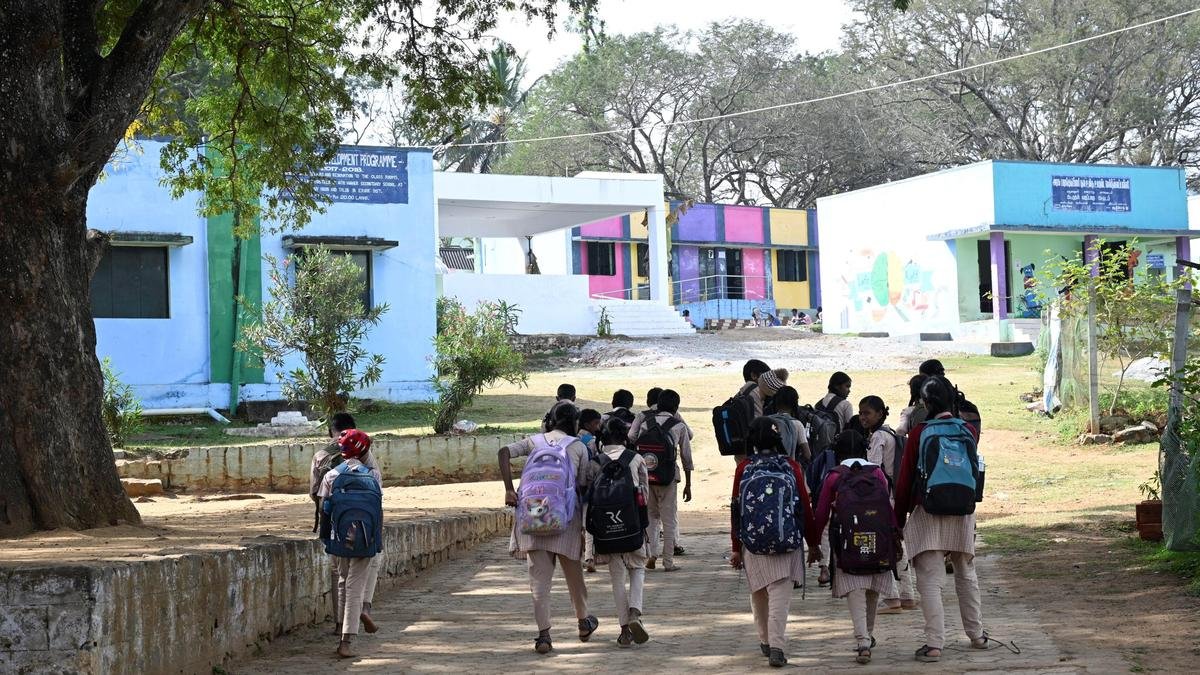
Students arriving at the Government Tribal Residential Higher Secondary School at Hasanur in Erode district .
| Photo Credit: M. GOVARTHAN
Most of the students, studying in Classes VI to XII, hail from Kuliyada hamlet, situated 20 km away in Hasanur panchayat. The first bus from Kuliyada departs at 6.30 a.m. reaching the school by 7.20 a.m. before proceeding towards Thalavadi. The second bus leaves at 7.30 a.m. and reaches the Kollegal–Mysuru Road junction near Arepalayam by 8.10 a.m., and proceeds towards Sathyamangalam. Students using the second service are forced to walk nearly 2.5 km along the Mysuru–Dindigul National Highway (NH 948), which passes through the Sathyamangalam Tiger Reserve (STR), or rely on lifts from passing commercial vehicles to reach school, where classes commence at 9.20 a.m.
A Class IX student said he often skips breakfast or is unable to carry food due to the early start. Students stressed the need for safer and more practical travel arrangements. Residents warned that commuting hazards could lead to school dropouts, child marriages, and children being pushed into labour, perennial issues in hill areas.
R. Arulsamy, a Hasanur panchayat resident, said students must rise by 5.30 a.m., get ready, pack food and catch the bus. “In the evening, the bus departs from the school at 5 p.m., reaching the hamlets only by 6 p.m. Those from Pudukadu, Uppatti and Sokki Dhoddi must walk one to two km from the main road to reach home. The frequent presence of wild animals, including elephants, leopards, and bears, on the reserve roads poses a severe threat to their safety,” he added.
The school authorities have appealed to the Education Department to intervene and press TNSTC to revise the Kuliyada bus departure to 7 a.m. and ensure that the second bus halts at the school regularly.
S.C. Natraj, Director of Sathyamangalam-based NGO Service Unit for Development Activities in Rural (SUDAR), said upgrading schools in remote hamlets, including Kottadai, would offer a long-term solution to the commuting problem.
Published – January 09, 2026 08:38 pm IST
Discover more from News Link360
Subscribe to get the latest posts sent to your email.