

2026 Kia Seltos Review: Stepping out of the Creta’s shadow with sharper design, better tech and mature road manners

Design: Bold, But More Cohesive
Kia’s ‘Opposites United’ design language has finally reached the Seltos, and it feels far more at home here than on some smaller models. The square-bracket LED DRLs framing the headlights, along with the reworked grille, suit the larger proportions well, lending the SUV a more planted and premium stance—similar in intent to Kia’s flagship Telluride.That said, the Seltos still plays the role of the edgier sibling. Gloss black cladding around the wheel arches and rocker panels adds visual drama but comes with practical concerns. While gloss finishes look premium, they are prone to swirl marks and scratches, especially in Indian conditions.
Aerodynamics have also been improved, with Kia reducing the drag coefficient from 0.34 to 0.31 through underbody work and a revised rear spoiler. There is no powered tailgate, but the increased dimensions translate into a larger boot, comfortably accommodating weekend luggage for a family. A spare wheel is housed under the floor, though it is one inch smaller in diameter than before.
Dimensions and Practicality: At the Top of the Segment
Dimensionally, the 2026 Seltos makes a strong statement. It now sits right at the upper end of the midsize SUV segment, with increased length and width, a 90 mm longer wheelbase than the Creta, and 200 mm of ground clearance.
Kia has also addressed usability concerns seen on other models. Unlike the Syros, the Seltos’ flush door handles now work seamlessly with proximity sensors, popping out automatically as you approach the car—an important real-world improvement.
Despite its longer footprint and slightly lower height, the Seltos avoids the raised-MPV look. Wider rear doors aid access, and ingress and egress remain easy thanks to a lower hip point. Side steps are available as an accessory for those who want them.
Rear Seat Comfort: Space and Flexibility
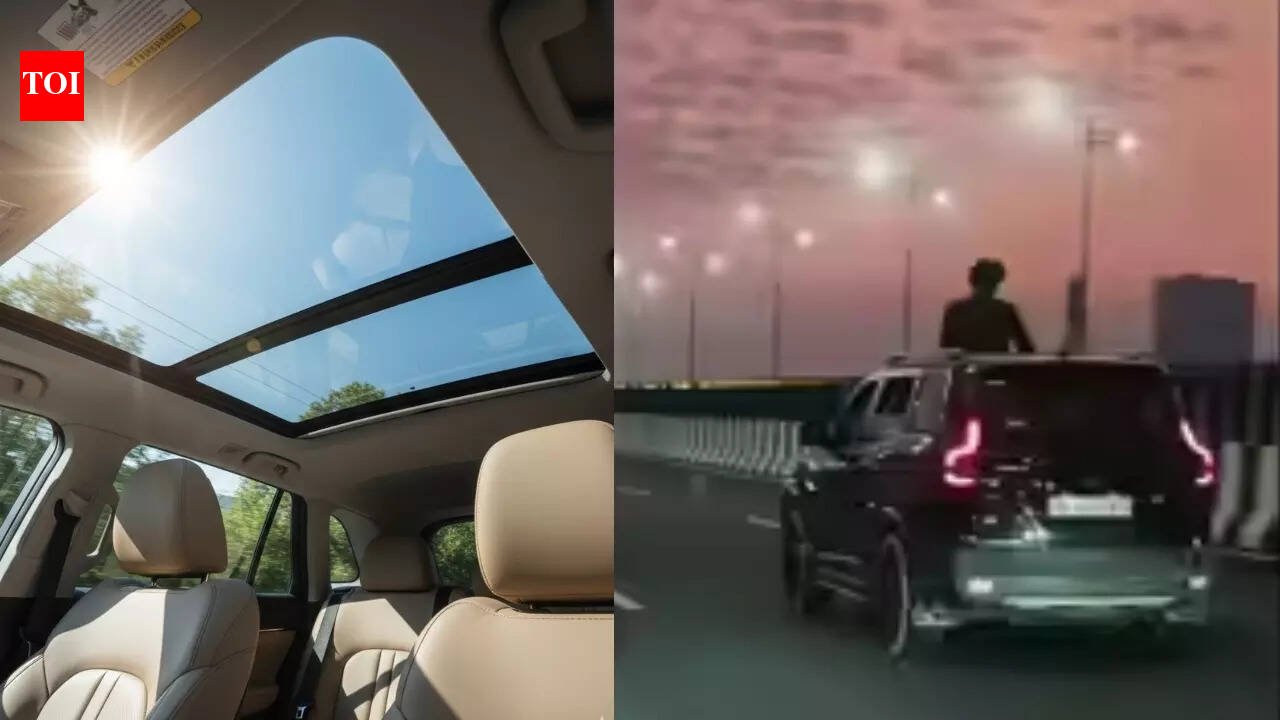
The longer wheelbase is immediately evident in the rear seat. Knee room and foot space are generous, while under-thigh support is notably improved. A large panoramic sunroof enhances the sense of space, and Kia has updated the seat cushioning for better comfort.
Rear seats recline in two steps—26 degrees and 32 degrees—allowing occupants to tailor their seating position. You also get rear AC vents and window blinds. However, the absence of ventilated rear seats feels like a missed opportunity, especially when Kia offers the feature on smaller models.
Headroom remains adequate despite the lower roofline, thanks to clever packaging.
Cabin and Tech: Smarter and More Thoughtful
Up front, the cabin feels more mature and better designed. Shoulder room has improved, and overall space for the front occupants is significantly better than before. The driver’s seat now gets a memory function, a feature that quietly elevates daily usability.
The air-conditioning system is controlled via a dedicated touchscreen strip between the infotainment screen and the digital instrument cluster, but Kia has sensibly retained physical buttons for temperature and airflow control.
The infotainment system itself is a clear step up—faster, cleaner, and more intuitive. Connected car features are offered free for three years, after which they move to an annual subscription of ₹2,000–₹3,000. In return, users get meaningful functionality, including a detailed vehicle diagnostics module that monitors everything from steering and braking systems to airbags and ADAS components.
Over-the-air updates are another highlight, with Kia capable of updating up to 40 electronic control units remotely—an important step toward future-ready ownership.
Driving Experience: More Polished, More Confident
On the road, the improvements are immediately noticeable. The steering strikes a well-judged balance—neither overly light nor artificially weighted. Even in the GT trim, it feels natural and confidence-inspiring.
Braking has been significantly upgraded, with all four-disc brakes now standard. The slightly nervous high-speed braking feel of the older Seltos is gone, replaced by more predictable bite and cleaner pedal progression.
ADAS is Level 2 as standard, using a combination of front and rear radars and a windscreen-mounted camera. Beyond adaptive cruise control and lane assistance, the system can now detect oncoming traffic during overtaking or turning manoeuvres, issuing warnings and gentle brake inputs when required. Importantly, the system remains unobtrusive in everyday driving.
Kia has also confirmed a future Level 2 Plus ADAS upgrade, which will add features such as automatic lane changes and overtaking assist—technology typically seen in more premium segments.
Powertrains: Familiar, Still Effective
Engine options remain unchanged: a 1.5-litre naturally aspirated petrol, a 1.5-litre turbo-petrol, and a turbo-diesel. The turbo-petrol is available with either a seven-speed DCT or a six-speed intelligent manual transmission (IMT).
The DCT continues to impress with smooth behaviour in traffic and quick responses on the highway, provided basic usage etiquette is followed. The IMT, while convenient, remains a questionable choice for the more performance-oriented engine, given past concerns around heat and clutch wear.
Also Read: Overdrive’s Mumbai commute test | Trains vs Metro vs coastal road
Refinement has improved across the board. Kia claims a two-decibel reduction in cabin noise, and while difficult to measure, the Seltos does feel calmer. Even the diesel engine remains impressively quiet.
Much of this improvement comes from the new K3 platform, which also underpins global models like the Elantra. The result is better noise insulation, reduced vibrations, and more composed handling.
Ride and Handling: A Better Balance
Kia has finally addressed a long-standing complaint by softening the suspension. The Seltos now rides more comfortably over broken roads and potholes, without losing its composure through corners. Torque delivery remains predictable, and the overall setup strikes a balance that should satisfy both family buyers and enthusiastic drivers.
Verdict: Confident in Its Own Skin
The 2026 Kia Seltos is no longer trying to be louder or flashier for attention. Instead, it feels confident, composed, and mature. It is more comfortable, more refined, and more technologically advanced than before.
Watch accompanying video for full show.
Discover more from News Link360
Subscribe to get the latest posts sent to your email.