
AI-powered focus groups; Clean energy meets rural livelihoods


Welcome to yet another clash between tech and the government.
The Indian government has proposed requiring smartphone makers to share source code with the government and make several software changes as part of a raft of security measures.
Tech companies, including giants like Apple and Samsung, have countered that the package of 83 security standards, which would also include a requirement to alert the government to major software updates, lacks any global precedent and risks revealing proprietary details.
Meanwhile, Elon Musk said on Saturday that social media platform X will open to the public its new algorithm, including all code for organic and advertising post recommendations, in seven days.
This is also coming up on the heels of assurances made by X that it will comply with Indian laws after the IT Ministry warned the platform on Grok AI’s obscene content issue.
In other news, is the era of sneakerheads coming to a close?
For nearly two decades, sports brands have benefitted from people preferring sneakers while heading everywhere from the airport to the office.
A Bank of America analysis last week suggested that the sporting goods sector had enjoyed a 20-year “upcycle” that lifted sneakers from less than a quarter of world footwear sales to at least a half.
Now, however, the casualisation trend has largely stabilised, and future revenue growth may be “significantly reduced”, the analysts said.
In today’s newsletter, we will talk about
- AI-powered focus groups
- Clean energy meets rural livelihoods
Here’s your trivia for today: What is the collective name for Italian-made western movies?
Startup
AI-powered focus groups
<figure class="image embed" contenteditable="false" data-id="587901" data-url="https://images.yourstory.com/cs/2/6c7d986093a511ec98ee9fbd8fa414a8/DoppleIQ1600x900-1767941118414.jpg" data-alt="Doppeliq" data-caption="Doppliq
” align=”center”> Doppliq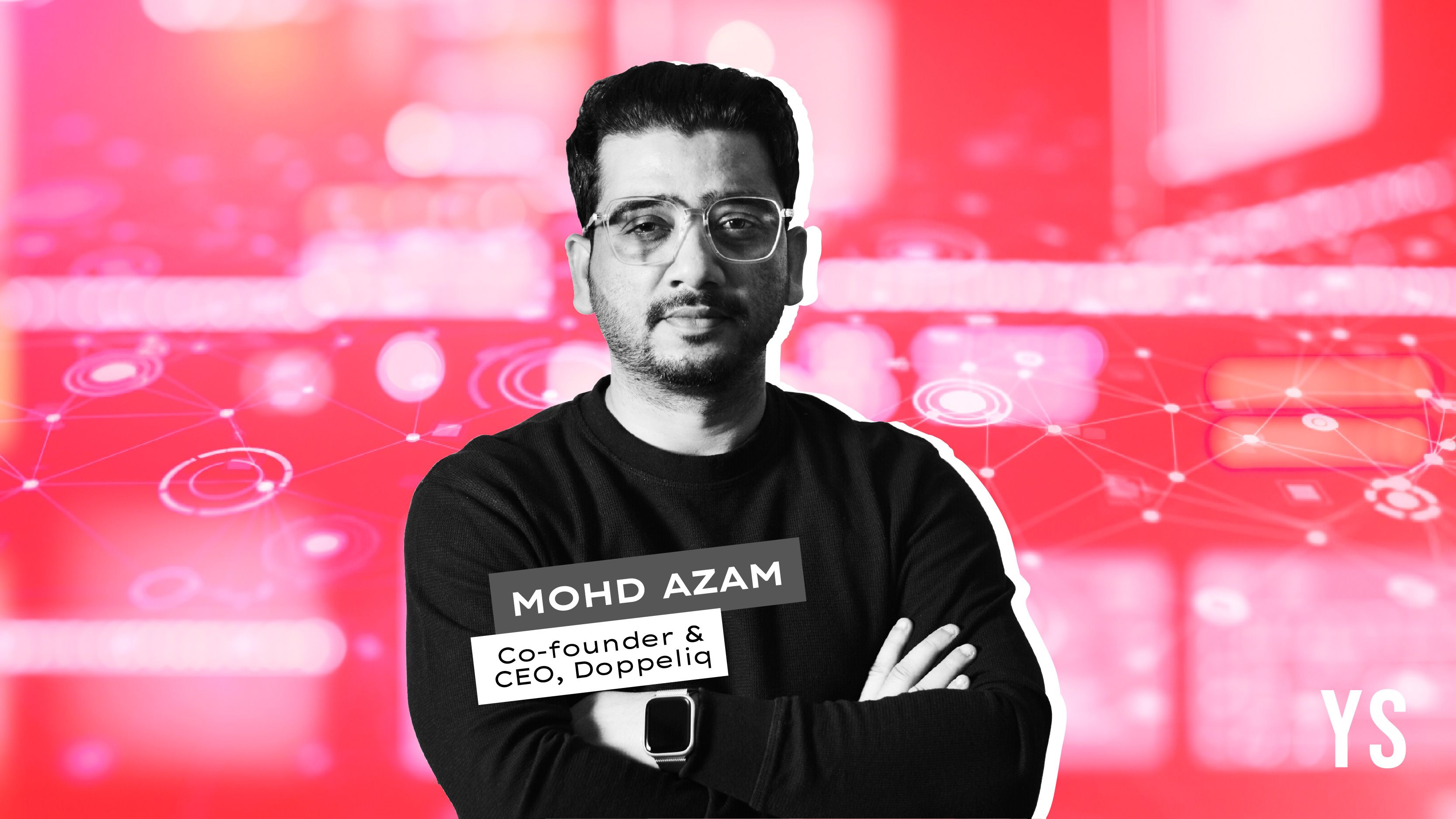
In modern consumer businesses, decisions on pricing, product launches, promotions, and messaging happen at unprecedented speed, yet systems for understanding consumers have barely evolved. Most B2C companies still rely on surveys, focus groups, and panels, methods built for a slower commercial environment.
Founded in 2025, DoppelIQ is an AI-based market research and consumer intelligence platform built for B2C brands. Instead of running surveys, the platform uses first-party customer data to create AI-driven digital representations of real consumers. These digital consumers allow brands to simulate behaviour, test decisions, and generate insights on an ongoing basis rather than through episodic research cycles.
Digital consumers:
- The platform integrates with enterprise systems such as CRMs, ecommerce platforms, customer data platforms, and email tools. It processes data, including purchase history, browsing patterns, and engagement metrics, into behavioural models reflecting preferences, decision-making patterns, and brand affinity.
- DoppelIQ currently operates two product lines. The first, DoppelIQ Atlas, is a self-serve simulation platform powered by US Census data and large-scale synthetic populations. The second offering, DoppelIQ Enterprise, is designed for large brands and retailers seeking deeper insight from their own customer data.
- DoppelIQ remains early-stage and largely bootstrapped. Over seven to eight months, the founders invested approximately $35,000 (Rs 29.1 lakh) of personal capital, followed by a small angel round of around $50,000 (Rs 41.5 lakh) from industry operators.
Social Impact
Clean energy meets rural livelihoods
<figure class="image embed" contenteditable="false" data-id="587902" data-url="https://images.yourstory.com/cs/2/f9bdfa20c75811ed9569e5d19beae38b/CopyofImageTaggingnoframesEditorialTem-amMaster9-1768130223206.png" data-alt="Through its Powering Livelihoods programme, Delhi-based think tank CEEW focuses on decentralised renewable solutions that directly support income-generating activities for farmers, women’s collectives, and micro-entrepreneurs" data-caption="
Through its Powering Livelihoods programme, Delhi-based think tank CEEW focuses on decentralised renewable solutions that directly support income-generating activities for farmers, women’s collectives, and micro-entrepreneurs
” align=”center”> Through its Powering Livelihoods programme, Delhi-based think tank CEEW focuses on decentralised renewable solutions that directly support income-generating activities for farmers, women’s collectives, and micro-entrepreneurs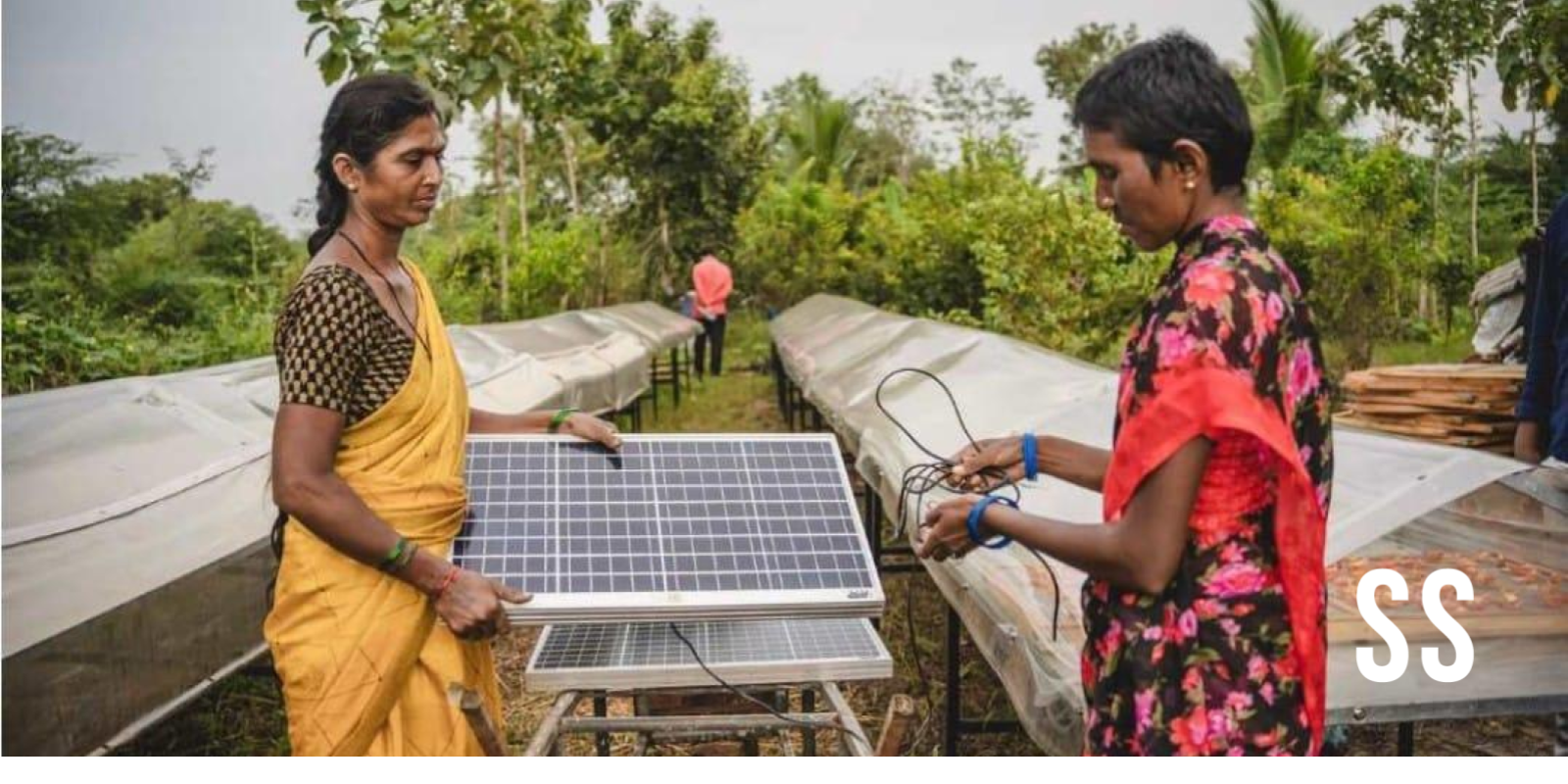
In rural India, where clean energy is frequently discussed in the context of large solar parks and grid-connected renewable infrastructure, the Council on Energy, Environment and Water (CEEW) is charting a different course, aiming to create decentralised solutions that can power livelihoods at the local level.
Titled ‘Powering Livelihoods’, the programme focuses on renewable-powered technologies that directly support income-generating activities for farmers, women’s collectives, and micro-entrepreneurs. Led by CEEW in partnership with social enterprise incubator Villgro, the initiative works to scale decentralised renewable energy solutions such as solar cold storages, dryers, hydroponic fodder units, and smart pumps across rural India.
Green incomes:
- While the technologies themselves are increasingly robust, scaling them is a challenge because of awareness, financing, and trust. Even where awareness exists, financing remains a major barrier, with technologies costing between Rs 15,000 and Rs 15 lakh, depending on the application and capacity.
- Women make up a significant share of CEEW’s Powering Livelihoods programme. Of the roughly 40,000 users currently engaged with clean energy livelihood technologies, about half of them are women, says Jain.
- CEEW places strong emphasis on collecting primary data to assess whether these technologies actually improve livelihoods. They have done two rounds of studies with about 1,500 users. Across technologies, CEEW has observed an average income increase of at least 35%.
News & updates
- Supply safeguards: Qatar and the United Arab Emirates will soon join a US-led initiative to secure AI and semiconductor supply chains, according to Undersecretary of State for Economic Affairs Jacob Helberg. The programme, dubbed Pax Silica, seeks to safeguard the full technology supply chain.
- Sanctions lifted: US Treasury Secretary Scott Bessent said that additional US sanctions on Venezuela could be lifted as soon as next week to facilitate oil sales, and that he will also meet next week with the heads of the International Monetary Fund and World Bank on their re-engagement with Venezuela.
What you should watch out for
- Q3 earnings: The biggest focus next week will be on the December quarter results. Some of India’s top IT companies like TCS, Infosys, HCL Technologies, Wipro, and Tech Mahindra, will announce their earnings.
- Macroeconomic data: The coming week is also set to see India’s CPI inflation, WPI inflation, trade balance, and foreign exchange reserves data announced.
What is the collective name for Italian-made western movies?
Answer: Spaghetti westerns.
We would love to hear from you! To let us know what you liked and disliked about our newsletter, please mail nslfeedback@yourstory.com.
If you don’t already get this newsletter in your inbox, sign up here. For past editions of the YourStory Buzz, you can check our Daily Capsule page here.
Discover more from News Link360
Subscribe to get the latest posts sent to your email.