


Rethinking the diet debate – The Hindu
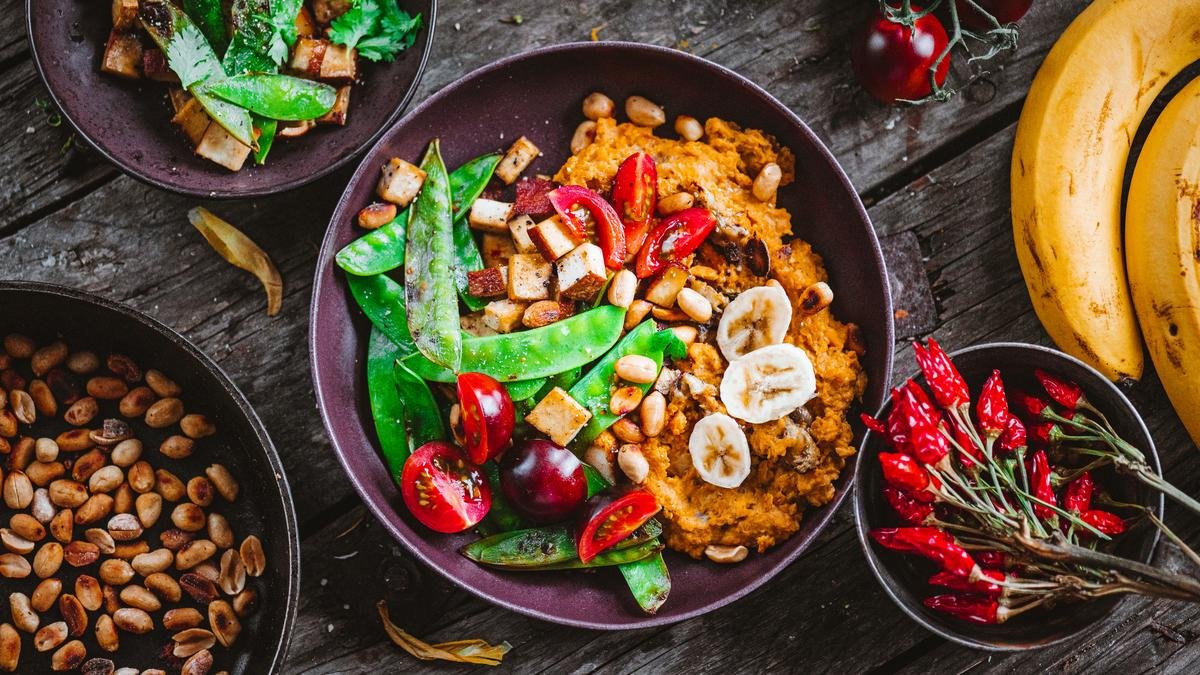
Food isn’t just fuel, it is culture, ethics, science, and personal philosophy served on a plate. In modern conversations about diet, three words dominate the debate: vegetarian, non-vegetarian, and vegan. Though they may look like simple dietary labels, each carries a unique world view and a set of reasons behind the choice.
Vegetarian, non-vegetarian, vegan. What’s the difference?
Vegetarians avoid animal flesh but consume dairy, honey, and sometimes eggs. Non-vegetarians, on the other hand, include animal meat in their diet, often shaped by cultural traditions, festivals, and regional cuisine. Veganism goes further by excluding all animal-derived products, from milk to leather, based on the principle of avoiding exploitation in all forms.
While vegetarians may avoid meat for cultural or personal reasons, vegans see dairy, eggs, leather, and animal-tested products as part of a broader system of harm.
Why is veganism suddenly everywhere? What was once niche is now global. Social media has exposed the realities of factory farming, making the ethics of everyday choices impossible to ignore. Climate science has shown that plant-based diets have a far smaller environmental footprint. Many young people now treat veganism as personal climate action.
Veganism has also become mainstream, with plant-based cafés, cruelty-free skincare, and celebrity endorsements turning it into a visible lifestyle. Health, too, drives this shift; higher fibre, fewer saturated fats, and nutrient diversity make plant-based diets appealing for long-term well-being.
Health and ethics
Criticism of non-vegetarian diets comes from different angles. Science identifies risk not in occasional meat consumption but in habits. Excess red meat, processed meats, deep-fried poultry, and sedentary lifestyles are the real threats. However, a well-planned non-vegetarian diet, rich in fish, lean meats, salads, and grains, can be perfectly healthy.
Ethically, non-vegetarian diets raise questions about animal welfare. Industrial-scale animal farming often involves conditions that restrict natural behaviours, such as confinement in crowded spaces, routine mutilations without adequate pain management, and stressful transport and slaughter processes. Animals raised for food possess varying levels of sentience and capacity to experience pain, and many ethicists argue that avoidable suffering, particularly when nutritional alternatives exist, is morally problematic. While some farms follow higher welfare standards, the vast majority of global meat production comes from systems where welfare is structurally compromised.
A balanced look
From a health standpoint, well-planned vegan diets are associated with numerous benefits. Studies show that people who consume plant-based diets tend to have lower risks of cardiovascular disease, hypertension, Type 2 diabetes, and certain cancers. These outcomes are linked to higher intakes of fibre, antioxidants, and phytonutrients as well as lower consumption of saturated fats. Vegan diets, when nutritionally balanced, can provide adequate levels of protein, essential fatty acids, vitamins, and minerals, especially through varied whole foods and fortified products. While supplementation of nutrients such as vitamin B12 is important, the overall body of evidence suggests that vegan dietary patterns can support healthy growth, athletic performance, and longevity across all life stages when guided by sound nutrition principles.
However, it isn’t a one-size-fits-all. Vegan products can be expensive or hard to access in rural areas. Anyone considering the switch must plan wisely and possibly seek nutritional guidance to ensure balance and to avoid dietary gaps.
A predictable argument is that veganism is unrealistic, expensive, elitist, or culturally foreign. But India has been plant-based long before the word “vegan” existed. Lentils, millets, chickpeas, leafy vegetables, coconut milk, sesame, almonds, these are not luxury foods. They are everyday ingredients. The real shift is not in cost, but in consciousness.
Veganism is not the rejection of culture; it is its evolution. It asks us to update tradition with empathy, the way society updates views on caste, gender, and rights. A tradition should be honoured when it is humane, not simply because it is old.
In the end, the debate on what we choose to eat is far bigger than protein charts or culinary preferences. It is a mirror, reflecting our ethics, our priorities, and the future we want to build. Whether one identifies as vegetarian, non-vegetarian, or vegan, the real question is not which label we wear but how consciously we wear it.
Perhaps the way forward is not about forcing a single diet on everyone, but about embracing a collective willingness to choose better, kinder, and more sustainable options. Peace on the plate may not solve all the world’s problems, but it is a place where each of us can quietly begin.
sanskritip2004@gmail.com
Published – January 18, 2026 04:17 am IST
Discover more from News Link360
Subscribe to get the latest posts sent to your email.