

PhonePe gets SEBI approval for IPO, to file updated prospectus soon
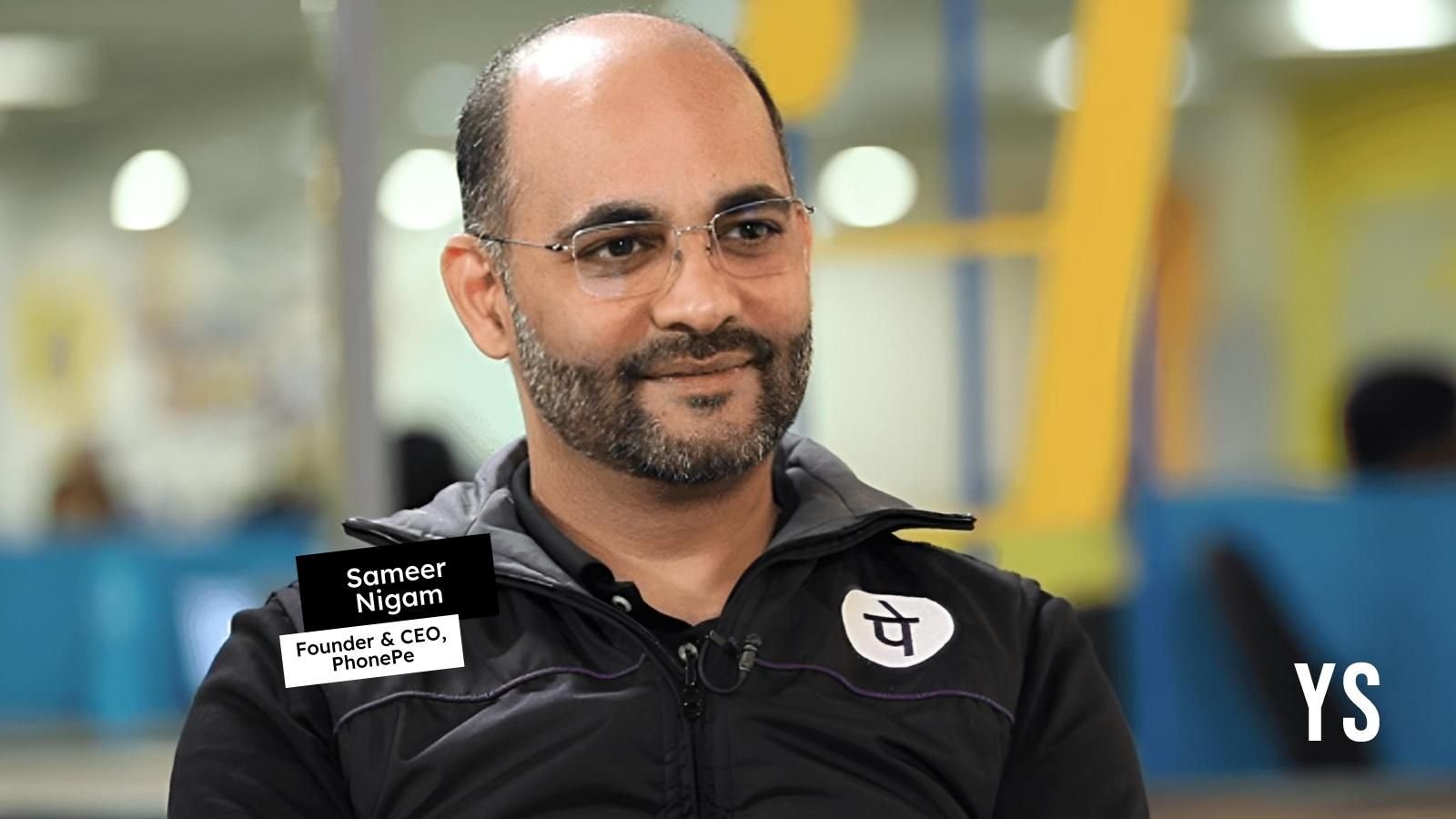
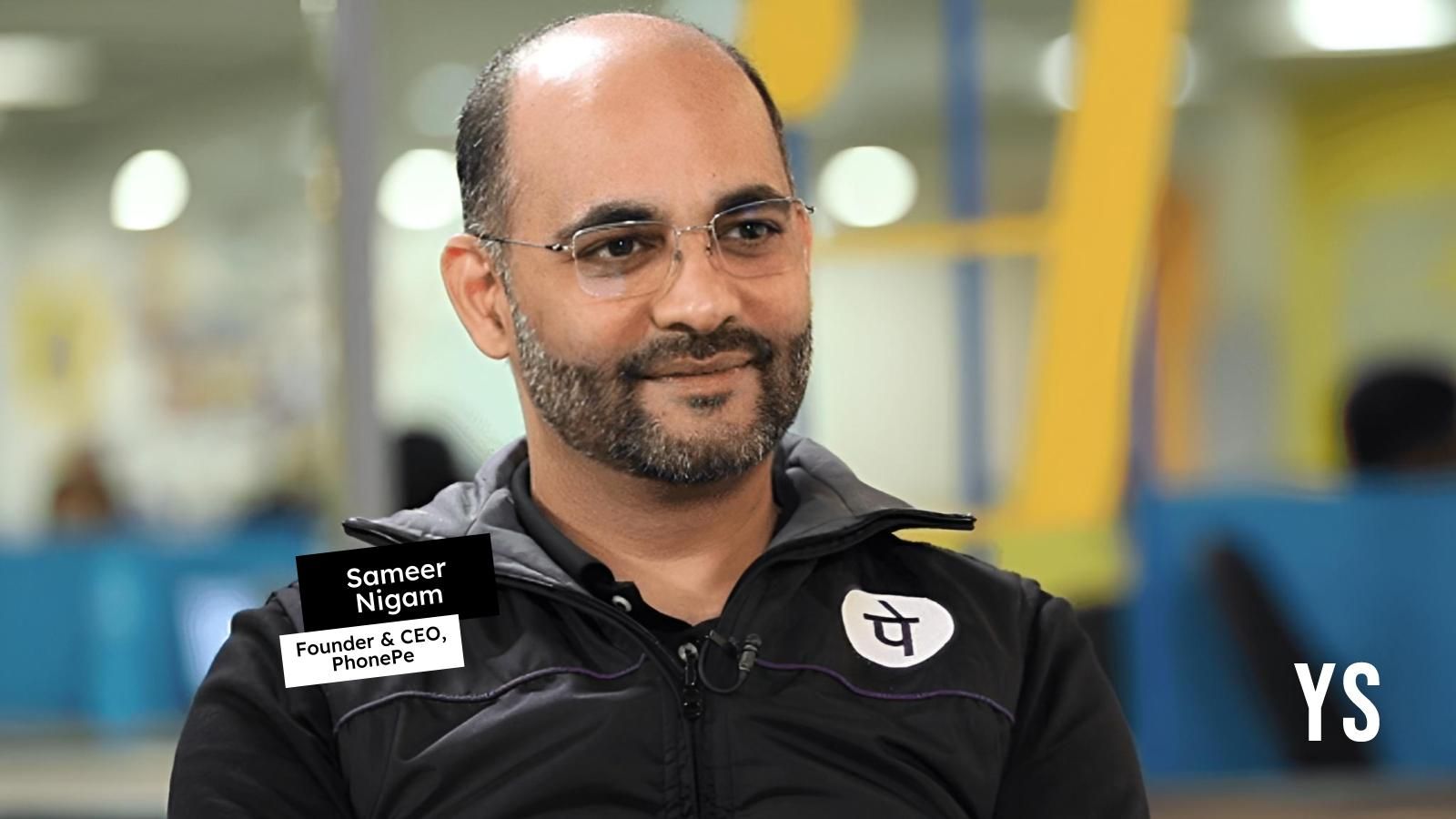

The Walmart-owned digital payments firm is expected to file its Updated Draft Red Herring Prospectus this week, the people said.
The proposed IPO will be an offer for sale by existing shareholders, with the company not seeking to raise any fresh capital through the listing, sources said.
PhonePe had earlier confidentially filed draft papers with the market regulator and stock exchanges in September, submitting a pre-filed Draft Red Herring Prospectus as part of SEBI’s confidential filing framework. The process allows companies to engage with regulators and incorporate feedback before making detailed financial disclosures public.
.thumbnailWrapper{
width:6.62rem !important;
}
.alsoReadTitleImage{
min-width: 81px !important;
min-height: 81px !important;
}
.alsoReadMainTitleText{
font-size: 14px !important;
line-height: 20px !important;
}
.alsoReadHeadText{
font-size: 24px !important;
line-height: 20px !important;
}
}

PhonePe is majority owned by Walmart following its acquisition of a controlling stake from Flipkart. The company operates one of India’s largest digital payments platforms with over 45% market share in UPI transactions. In December 2025, the company processed 9.8 billion transactions, according to NPCI data.
The company had posted Rs 7,115 crore in revenue for FY24-25, marking a 40% year-on-year increase. The company also turned free cash flow positive with operating cash flow of Rs 1,202 crore. Its adjusted PAT (excluding ESOP costs) more than tripled to Rs 630 crore.
In October, General Atlantic invested about $600 million in PhonePe through a secondary share transaction, increasing its stake to roughly 9% from about 4.4%. The transaction did not involve any primary capital infusion into the company and did not result in payouts to founders or other investors.
The secondary sale was structured to provide liquidity for employees to exercise stock options and meet related tax obligations, the people said.
Edited by Affirunisa Kankudti
Discover more from News Link360
Subscribe to get the latest posts sent to your email.