
The expansion is projected to reduce nearly one million tonnes of carbon dioxide emissions annually from freight operations, a major contributor to transport-related emissions, marking a significant step towards decarbonising India’s logistics sector.
“The shift away from diesel will gain traction only when clean alternatives align with the operational and economic realities of freight movement. That is the gap we are focused on addressing,” said B C Tripathi, Operating Partner – Energy, Essar Group.
The strategy integrates vehicle manufacturing, fleet operations, and fuelling infrastructure to build a fully scaled clean freight ecosystem. Essar said this end-to-end approach is aimed at overcoming high upfront costs and infrastructure constraints that have limited the adoption of low-emission freight technologies in India’s carbon-intensive logistics industry.
The group’s green mobility platform brings together Blue Energy Motors for truck manufacturing, GreenLine Mobility Solutions for fleet operations, and Ultra Gas & Energy (UGEL) for developing the supporting fuel and charging infrastructure. According to Essar, this integrated model is designed to ensure steady vehicle availability, reliable fuel access, and operational efficiencies—key challenges that have slowed the wider uptake of clean freight solutions.
GreenLine currently operates more than 800 LNG-powered trucks serving sectors such as steel, cement, FMCG, and chemicals. The fleet has collectively clocked over 70 million kilometres and reduced 19,756 tonnes of carbon emissions, equivalent to saving nearly 790,262 trees. Each 55-tonne truck can carry up to 40 tonnes of cargo and travel around 1,200 kilometres on a single tank.
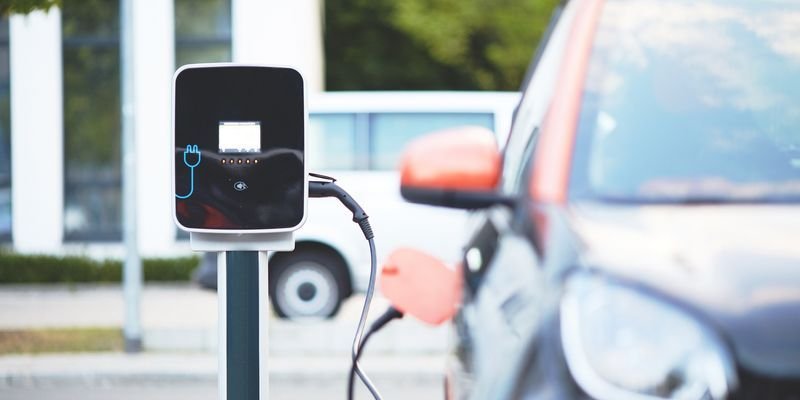
The company’s latest equity raise of $275 million—including a $20 million investment from Zerodha Co-founder Nikhil Kamath—is expected to accelerate the rollout of over 10,000 additional LNG and electric trucks, along with the development of 100 LNG refuelling stations, EV charging points, and battery-swapping facilities.
Commenting on the expansion, Essar Director Anshuman Ruia said the initiative represents a structural shift in India’s heavy trucking landscape. “We see this as an opportunity not only to build a green mobility ecosystem, but also to invest in clean energy sources to power electric trucks in the future. This integrated approach can significantly reduce emissions, lower energy imports, and support a more sustainable and energy-secure economy,” he said.
The programme follows a dual-fuel strategy, deploying LNG-powered trucks for long-haul freight and electric trucks for short-haul and urban logistics, where electrification offers higher efficiency. Fast-charging and battery-swapping infrastructure is being integrated into fuel hubs to improve fleet utilisation and reduce downtime.
The expansion aligns with government efforts to curb emissions, improve logistics efficiency, and promote cleaner fuels. However, analysts note that sustained policy support and long-term private investment will be essential to enable large-scale adoption while balancing economic growth.
India’s freight sector has historically faced challenges in adopting clean technologies due to high capital costs and limited infrastructure. Essar’s approach seeks to address these barriers through scale and operational integration, with control across the value chain helping ensure consistent vehicle supply, fuel availability, and operational efficiency.
UGEL, which underpins Essar’s clean freight infrastructure, currently operates six LNG refuelling hubs across key industrial corridors, including Bhilwara, Anand, Chakan, Pune, Jalna, Toranagallu, and Vallam. Each facility can service up to 600 trucks a month.
The company plans to expand this into a nationwide network of 100 stations, covering nearly 85% of India’s long-haul freight routes. The expansion, backed by a Rs 900-crore investment, is underway across multiple states including Gujarat, Tamil Nadu, Maharashtra, Rajasthan, Haryana, Punjab, Karnataka, Odisha, Chhattisgarh, and Jharkhand.
Officials said the integrated model positions Essar among the frontrunners in India’s freight decarbonisation efforts, enabling clean mobility solutions at scale.
(Additional inputs added for background information)
Discover more from News Link360
Subscribe to get the latest posts sent to your email.