

Budget 2026 leaves auto PLI unchanged, but government keeps backing EVs and manufacturing push
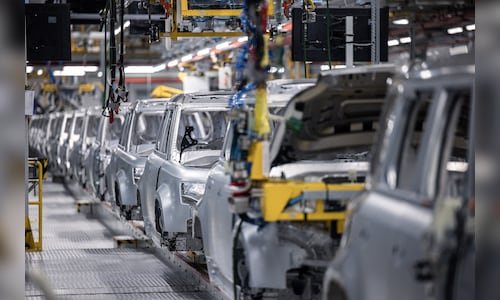
Union Finance Minister Nirmala Sitharaman, while presenting the Union Budget 2026–27, did not announce any new measures or specific changes related to the Production Linked Incentive (PLI) scheme for the automobile and auto components sector. However, the segment continues to be a key pillar within the broader PLI framework and India’s manufacturing strategy.
According to the Economic Survey 2026, the automobile industry provides direct and indirect employment to more than 30 million people and contributes nearly 15% of India’s GST collections, underlining its fiscal and economic significance.
Existing PLI Support for Automobiles
The PLI Scheme for Automobiles and Auto Components, approved in September 2021 with an outlay of ₹25,938 crore, targets Advanced Automotive Technology (AAT) vehicles and components. As of September 2025, it has attracted ₹35,657 crore in cumulative investment and generated 48,974 jobs, according to the Survey. The scheme is aimed at positioning India as a manufacturing base for next-generation mobility technologies, including electric and hydrogen-powered vehicles.
Complementing this is the PLI scheme for Advanced Chemistry Cell (ACC) battery storage, with an outlay of ₹18,100 crore to establish 50 GWh of domestic battery capacity. So far, 40 GWh has been awarded, strengthening localisation of the EV supply chain.
EV Demand and Public Transport Push
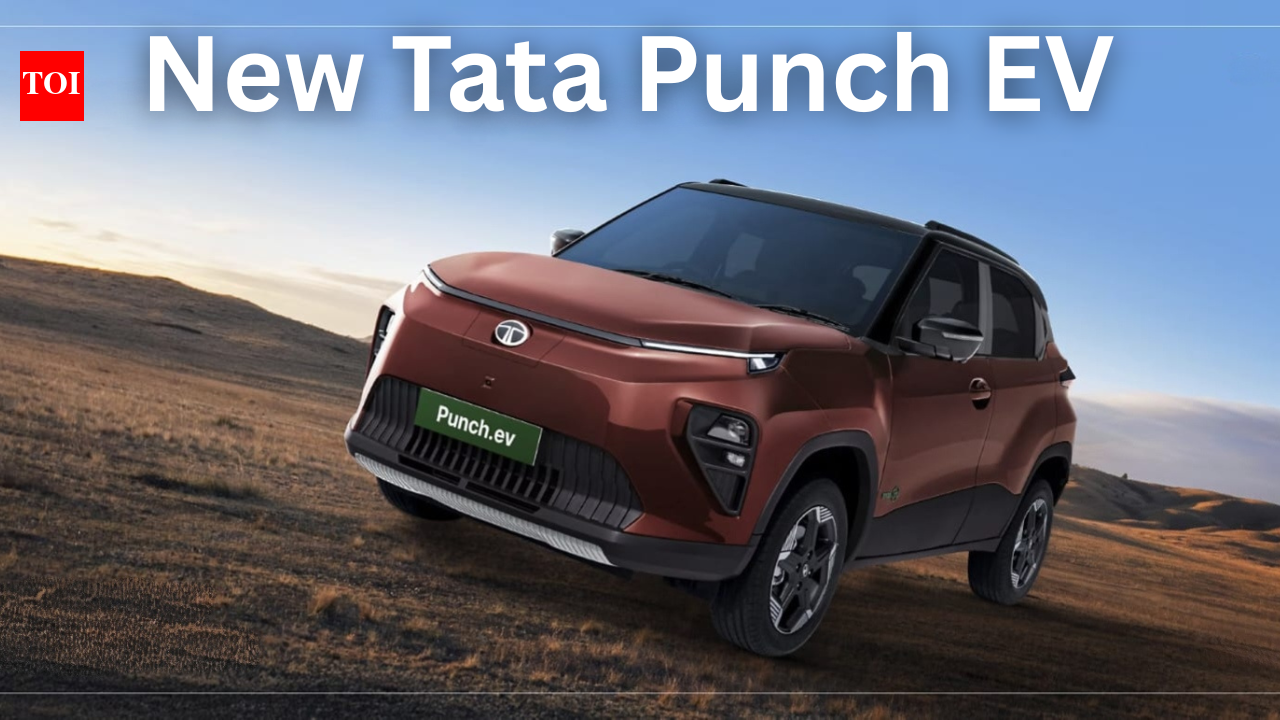
On the demand side, the PM E-DRIVE scheme, launched in September 2024 with an outlay of ₹10,900 crore, provides incentives for electric two- and three-wheelers while extending support to electric trucks and ambulances. It also funds charging infrastructure and upgrades to vehicle testing agencies.
Public transport electrification is being supported through the PM e-Bus Sewa Payment Security Mechanism, notified in October 2024 with an outlay of ₹3,435.33 crore. The scheme is designed to facilitate the deployment of over 38,000 electric buses by offering payment security to operators in case of delays from public transport authorities.
Meanwhile, the Scheme to Promote Manufacturing of Electric Passenger Cars in India (SMEC), notified in March 2024, allows limited imports of high-value EVs at concessional customs duty, subject to a minimum ₹4,150 crore investment and phased localisation targets.
Wider PLI Landscape Gains Momentum
While the automobile PLI did not see fresh announcements in this year’s Budget speech, the government expanded its PLI push in other manufacturing segments. Sitharaman proposed a ₹40,000-crore outlay for electronics manufacturing under PLI in FY 2026–27 and announced plans to set up high-tech tool rooms at two locations to strengthen capital goods manufacturing.
Across 14 sectors, the total approved PLI outlay stands at ₹1.97 lakh crore. Actual cumulative investments have reached around ₹2 lakh crore, generating incremental production of over ₹18.7 lakh crore as of September 2025. Incentive disbursements, though lower at ₹23,946 crore, have accelerated over the past three years, indicating improving implementation momentum across sectors, including automobiles.
Discover more from News Link360
Subscribe to get the latest posts sent to your email.