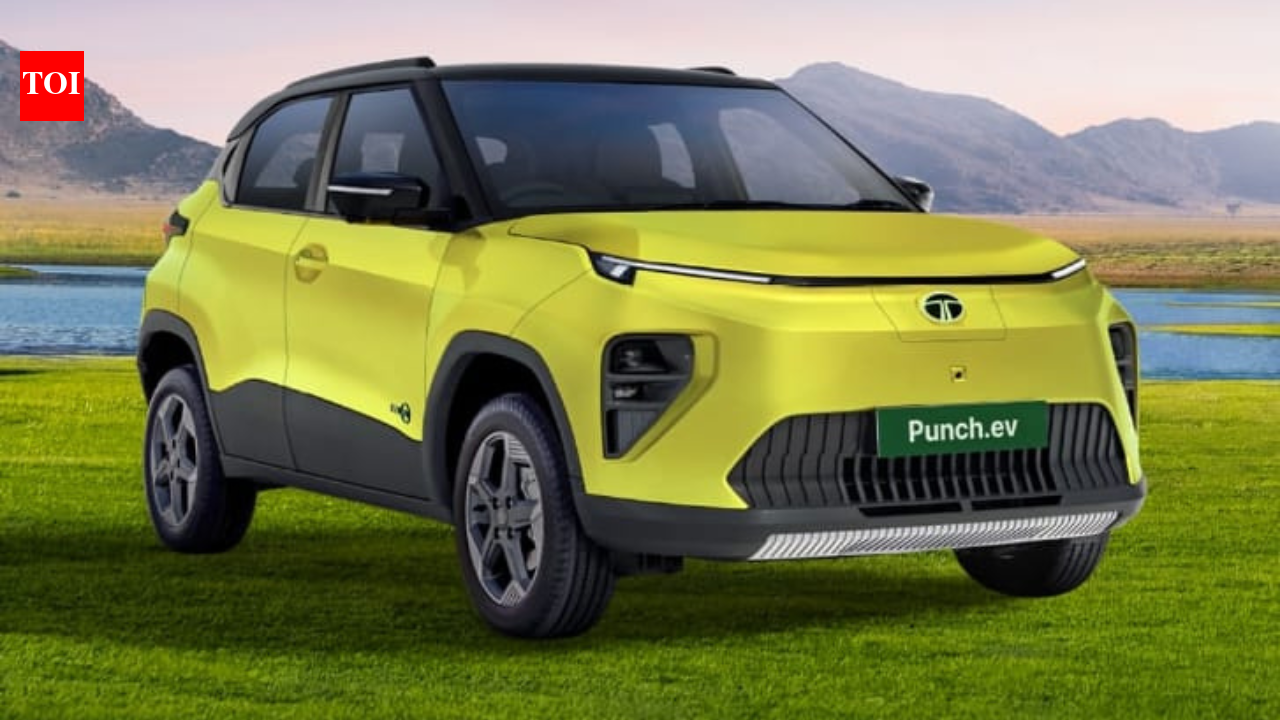

EV BudgetBudget 2026 allocates ₹1,500 crore to PM E-Drive, focus on e-buses
Budget allocation: PM E-Drive
The Union Budget for FY27 has allocated ₹1,500 crore to the PM Electric Drive Revolution in Innovative Vehicle Enhancement (PM E-Drive) scheme under the Ministry of Heavy Industries.Budget documents show the following spending pattern:
| Scheme | FY25 Actual (₹ cr) | FY26 Budget (₹ cr) | FY26 Revised (₹ cr) | FY27 Budget (₹ cr) |
| FAME India | 1,113.95 | — | 1,181.26 | — |
| PM E-Drive | 993.05 | 4,000.00 | 1,300.00 | 1,500.00 |
| PM e-Bus Sewa PSM | 4.92 | 510 | 510 | 12 |
The Faster Adoption and Manufacturing of Electric Vehicles in India (FAME India) programme has been replaced by PM E-Drive as the main central demand-incentive scheme for EVs.
Structure of the ₹10,900-crore PM E-Drive scheme
Launched on October 1, 2024, PM E-Drive has a total outlay of ₹10,900 crore. It provides purchase incentives and funding support for charging and testing infrastructure. The allocation is structured as:
- ₹3,679 crore for electric two- and three-wheelers
- ₹4,391 crore for electric buses
- ₹500 crore each for electric trucks and electric ambulances
- ₹2,000 crore for public EV charging infrastructure
The scheme aims to lower upfront EV costs for buyers through direct incentives.
Uptake and progress
As of December 30, 2025:
- 21.24 lakh EVs have received incentives under PM E-Drive
- The target for L5 electric three-wheelers (2.88 lakh units) has been achieved; incentives for this category were closed on December 26, 2025
- 18.40 lakh electric two-wheelers have been supported, against a target of 24.79 lakh units
- 5,267 e-rickshaws and e-carts have been incentivised, against a target of 39,034 units
The government has extended the PM E-Drive until March 2028. However, purchase incentives for electric two-wheelers and electric three-wheelers are set to end on March 31, 2026.
Charging infrastructure rollout
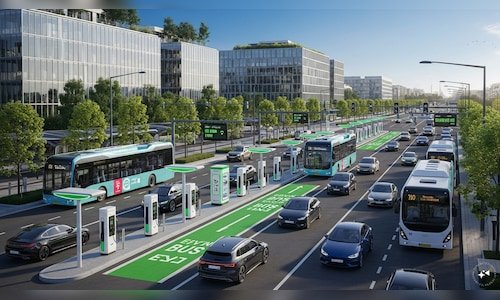
Guidelines for setting up public EV charging infrastructure under PM E-Drive have been issued, but incentive disbursals have not yet started. The scheme targets:
- 22,100 fast chargers for electric four-wheelers
- 1,800 chargers for electric buses
- 48,400 chargers for two- and three-wheelers
These targets are backed by the ₹2,000-crore infrastructure provision.
Public transport electrification
The PM e-Bus Sewa Payment Security Mechanism (PSM) supports the procurement and operation of electric buses by providing payment security to operators if public transport authorities delay payments. After higher allocations in FY26, the FY27 Budget Estimate provides ₹12 crore under this mechanism.
Tax and duty measures
Electric vehicles continue to attract a 5% GST rate, lower than that on petrol and diesel vehicles. Industry has pointed out that some EV components still face higher GST rates, leading to cost imbalances.
On imports, the Scheme to Promote Manufacturing of Electric Passenger Cars in India (SMEC) allows limited concessional-duty imports of high-value EVs for companies committing to large domestic investments and phased localisation.
EV buyers can also claim income-tax deductions on interest paid on EV loans under Section 80EEB.
Discover more from News Link360
Subscribe to get the latest posts sent to your email.