

Inside a Shahjahanpur’s small garment workshop built on family skill
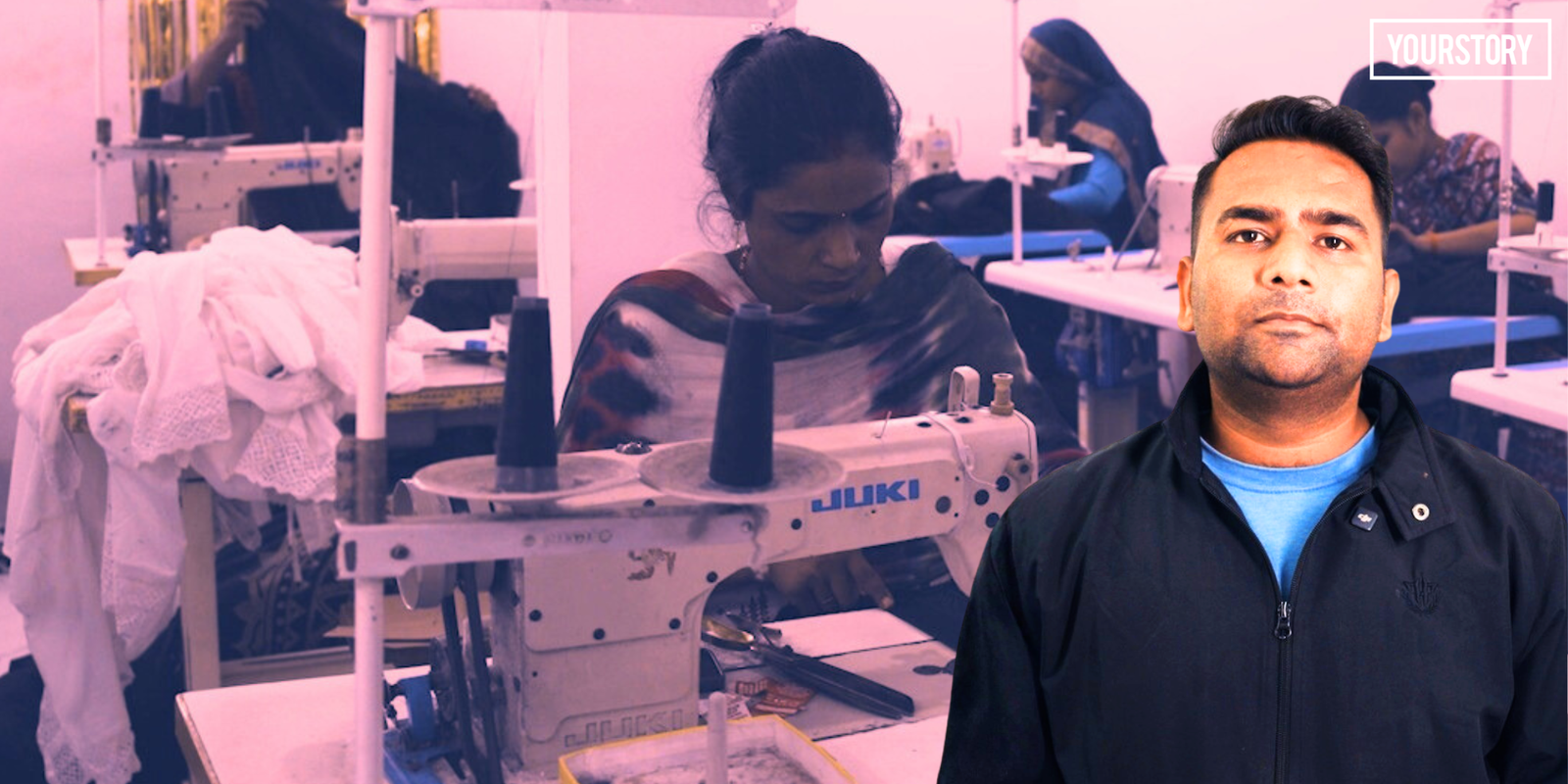
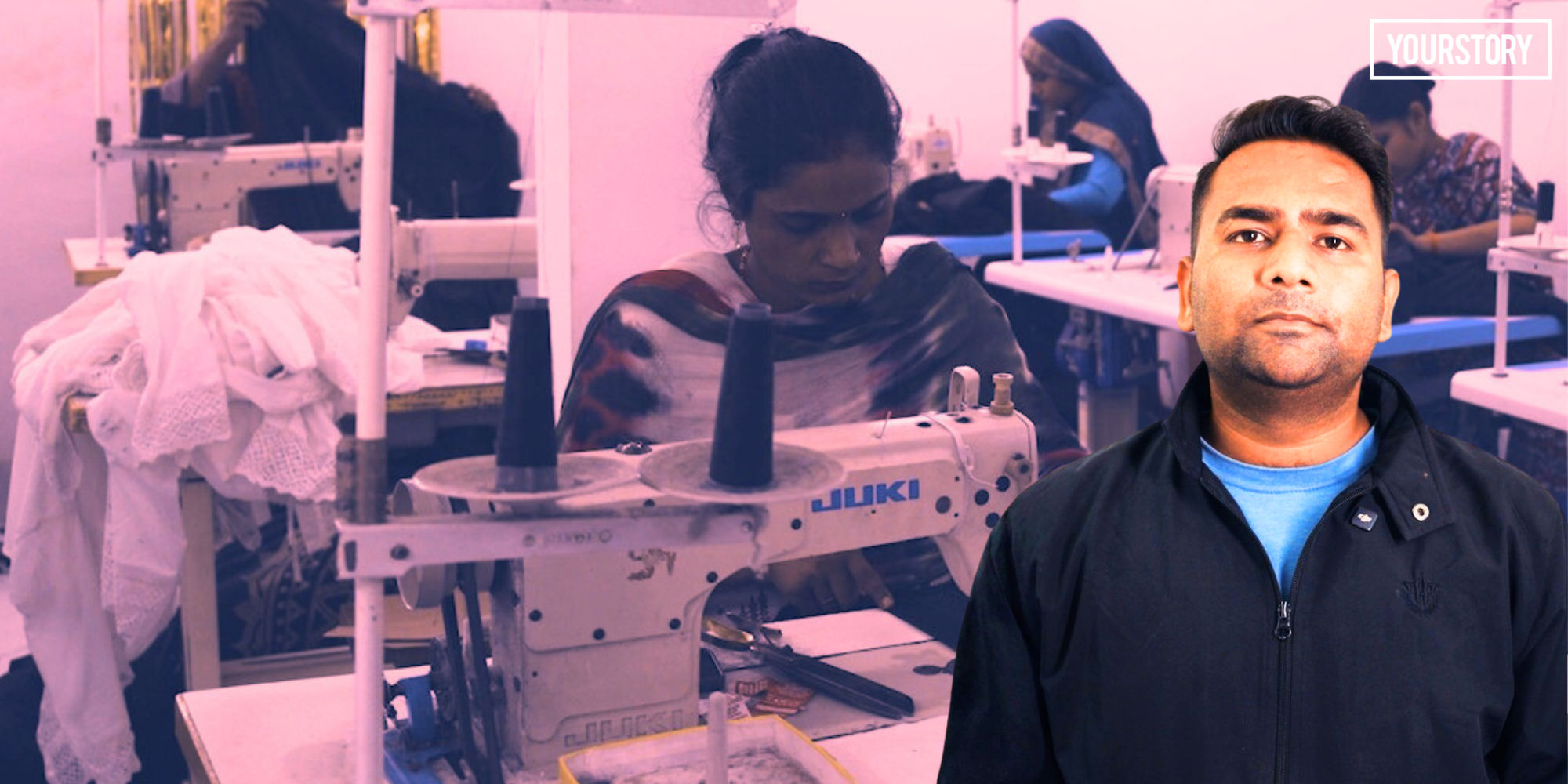

The business focuses on garment stitching work linked to women’s apparel, taking on outsourced orders rather than selling finished products directly in the local market.
The unit handles components of ladies’ garments such as kurtas, tops and skirts, completing tasks like side stitching, collars, bottoms and finishing.
The work is done on a job-work basis for outside companies, with full pieces assembled at the unit before being dispatched.
Learning the craft at home
Gangwar’s entry into stitching was gradual and rooted in his family background. After completing an ITI course, he began working alongside his father, Ashok Kumar Gangwar, who has been involved in tailoring work for many years and continues to do so.
The family has been engaged in similar work for generations, which meant the skill was familiar long before it became a business plan.
He spent several years practising and understanding the workflow before deciding to set up his own unit. While the formal setup began recently, he says he has been involved in stitching work for three to four years, learning how to manage quality, timelines and coordination.
Setting up the unit
The decision to start the unit was shaped by cost constraints. Sewing machines and raw material required a larger investment than his personal savings allowed.
He estimates that a full setup, including machines purchased from Delhi markets, would have crossed several lakh rupees, which was difficult to manage upfront.
To bridge this gap, he applied under the Mukhyamantri Yuva Udyami Vikas Abhiyan (CM YUVA) Yojana. The support helped him purchase machines and arrange working capital, allowing the unit to begin operations from his own premises.
Being based in his house reduced recurring costs such as rent and kept electricity expenses limited to basic usage.
“Entering a business without proper knowledge is bound to lead to losses,” he says, stressing that any business requires prior skill and understanding before investment.
Work and people involved
Today, the unit employs around 15-17 workers. This includes a manager-supervisor who oversees daily operations, while Gangwar himself handles accounts, sourcing of material and online-related work. The workforce includes both men and women, with stitching and finishing divided across roles.
The scale remains small, but work has stabilised enough to provide regular employment.
Gangwar says the aim is not rapid expansion but steady improvement in processes and output. If operations continue smoothly, he hopes to explore gradual growth and training opportunities for more workers in the future under CM Yuva Yojana support.
The unit’s journey reflects a cautious shift from learning to livelihood. What began as a family skill has turned into a source of steady work, anchored by limited risk, familiar knowledge and a setup that fits within existing means.
Discover more from News Link360
Subscribe to get the latest posts sent to your email.