



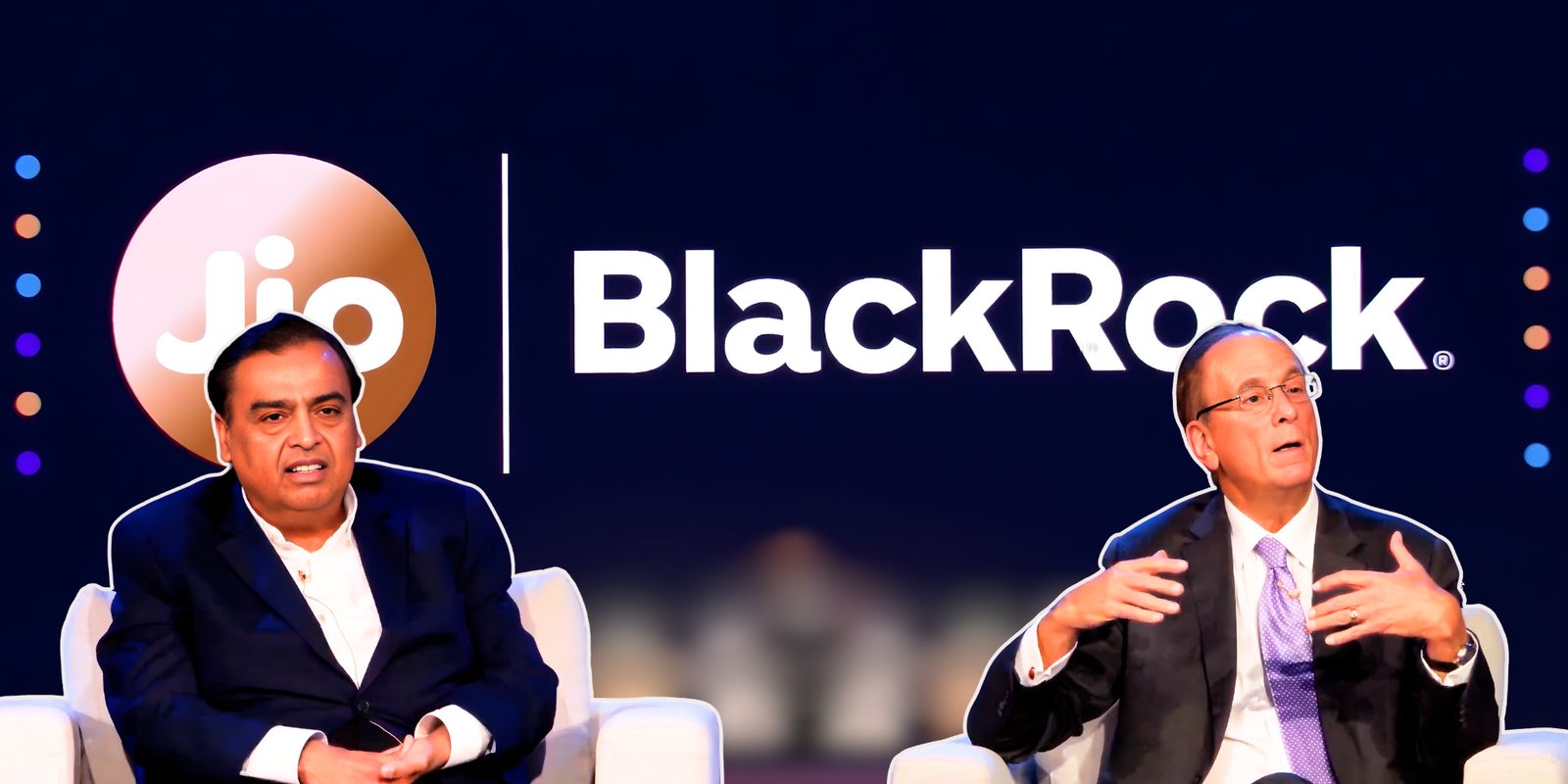
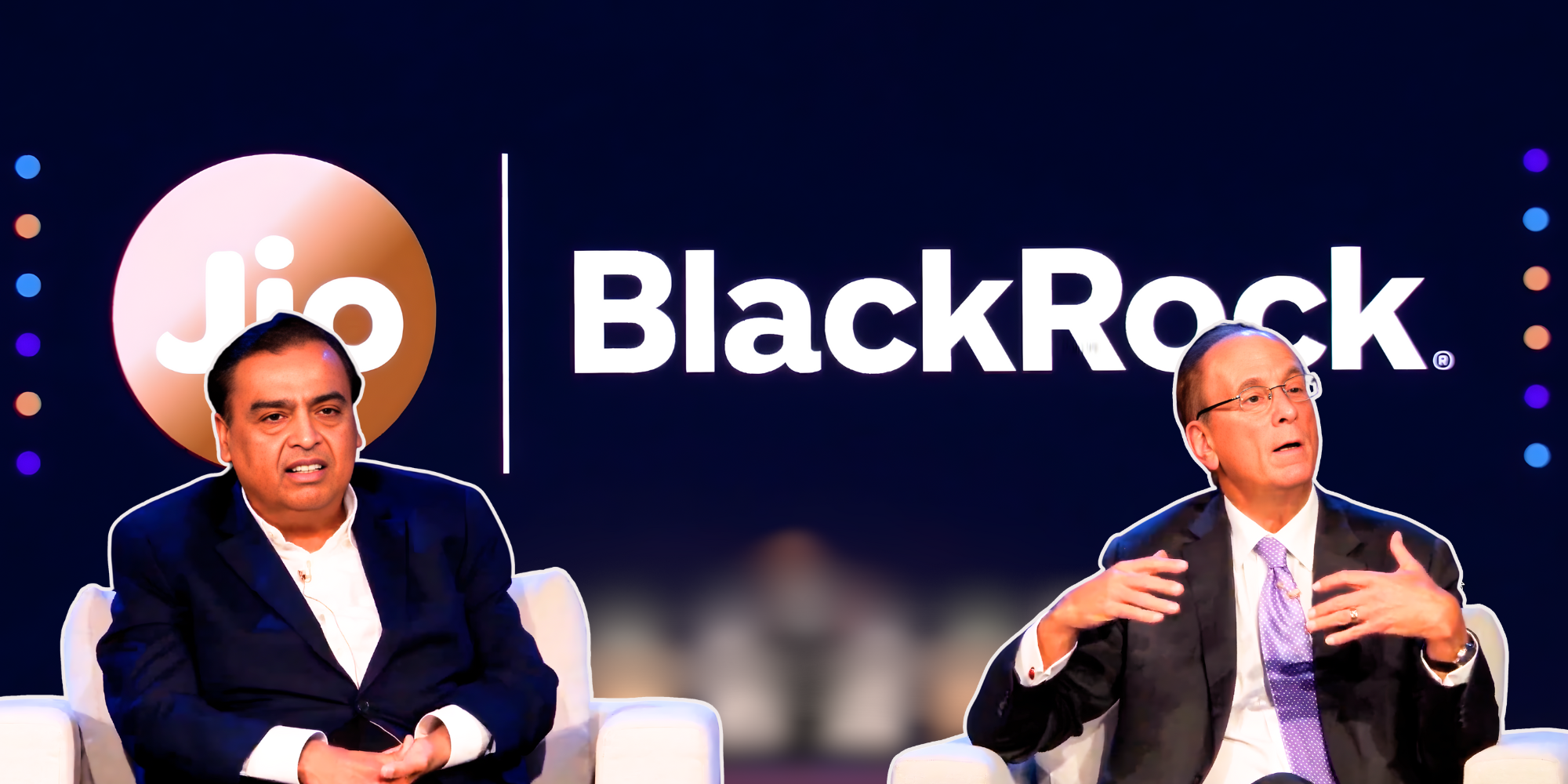
Ambani and BlackRock CEO Larry Fink on India’s 30-Trillion Dollar Opportunity

The “Era of India,” Beyond the News Cycle
Fink’s central argument was simple and deliberately contrarian to the news cycle. “Media talks about the moment,” he noted, but wealth is built by staying invested through cycles and participating in a country’s long-term expansion. If India’s growth runway is as strong as many believe, then the most important challenge is participation: getting “hundreds of millions of Indians” into productive, compounding investments rather than leaving savings idle.
He acknowledged that tariffs, elections, and central bank debates can move markets in the short run, but insisted they rarely define outcomes over a multi-year horizon. “Markets are honest,” he said. They can miscalculate in a day or a week, but they correct and rebalance over time.
Ambani grounded this in India’s recent economic story with a memorable metaphor: a tree attracts attention only when it bears fruit. The Indian economy is now “bearing fruit with great visibility,” helped by stable leadership, policy continuity, and large-scale execution. He cited infrastructure build-out, renewable energy capacity, and nationwide connectivity as signals that India is delivering outcomes, not just promises.
From Saving to Compounding
Ambani described Indians as consistent savers, but argued that a meaningful portion of savings remains “unproductive,” citing large annual imports of gold and silver. The opportunity for Jio BlackRock is to convert savers into investors by making capital markets feel safe, transparent, and simple enough for everyday participation.
Fink reinforced this, describing disruption as a client-first process built on repeatedly earning trust. Technology can deepen relationships, expand access, and improve advice frequency, encouraging people to stay invested long enough for compounding to work. His illustration was straightforward: if India grows near 10 percent annually, an investor could roughly double their money every six and a half years.
AI, Infrastructure, and 20-Year Capital
On artificial intelligence, Fink argued there’s no “AI bubble.” The real risk is underinvestment. AI will expand discovery in drug development and energy innovation while reshaping productivity in deficit-heavy economies.
Ambani was more operational: AI is essential if India wants inclusive scale. He cited three domains where AI could compress costs and expand access: education for 200 million schoolchildren, healthcare for 1.4 billion citizens, and governance systems that improve transparency.
Looking ahead twenty years, Ambani outlined what patient capital must build: energy self-sufficiency, physical infrastructure for 1.4 billion people, and “country-scale intelligence infrastructure” reaching every village. Each represents a multi-decade investment cycle measured in hundreds of billions of dollars.
The Bottom Line
The tone was unmistakably optimistic, but with a clear condition: growth must be broad-based. The new era won’t be defined only by headline GDP numbers, but by whether ordinary Indians see wealth creation as something they can own, not just observe.
When asked what brought their partnership together, Fink replied simply: “Friendship.”
Discover more from News Link360
Subscribe to get the latest posts sent to your email.