


Badaun’s Zari Zardozi: Where Thread Sustains Tradition
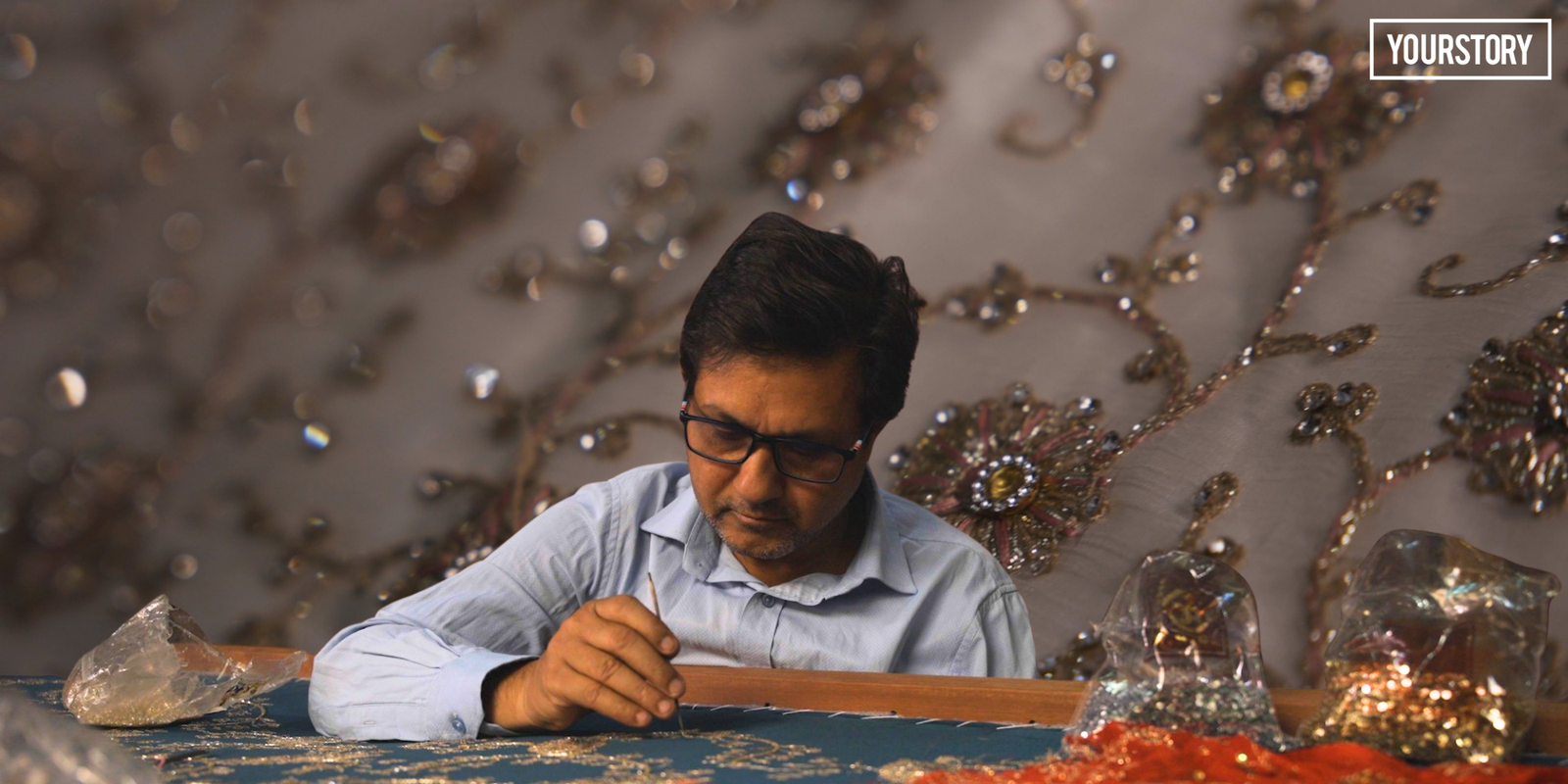
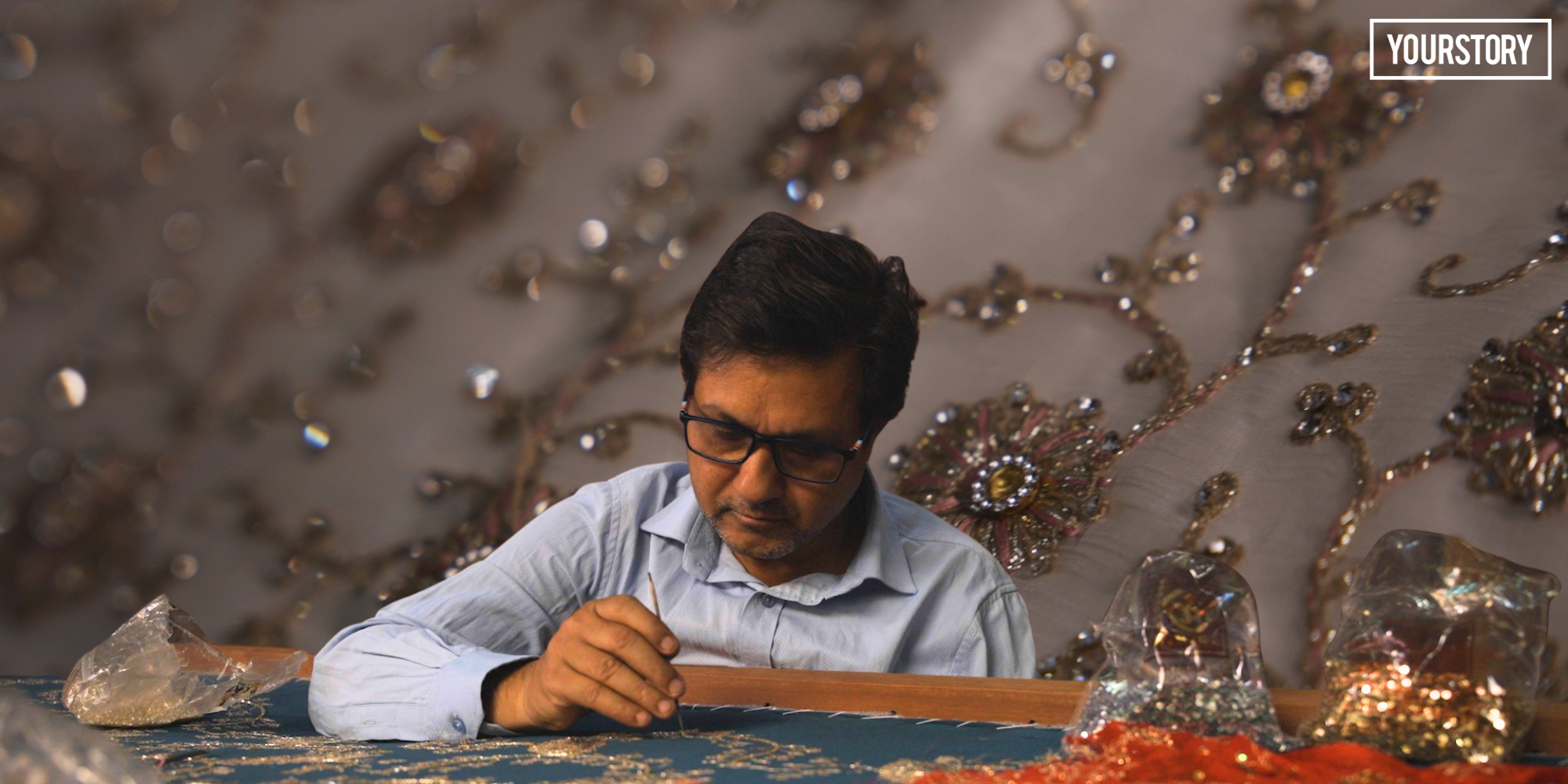

Saqib, a State Award–winning artisan from Shekhupur, Badaun, has been practising zari zardozi for over 25 years. He recalls that while the craft has long existed in the district, artisans earlier had limited access to larger markets. Recognition and visibility were often confined to local networks.
This changed with the One District One Product (ODOP) initiative, under which zari zardozi has been identified as Badaun’s district product. According to Saqib, ODOP helped give the craft a formal identity and opened doors to exhibitions and buyers beyond the district.
Participation in state and national trade fairs has been a key benefit. Platforms such as exhibitions in New Delhi and Noida have allowed artisans to showcase their work, connect with repeat buyers, and secure regular orders. These interactions have helped small units move from sporadic sales to more consistent demand.
Saqib’s own journey into the craft began at home. His mother practised embroidery, and his father set up an adda, the traditional wooden frame used for zardozi work. Starting with basic stitches, Saqib gradually mastered the craft through hands-on learning—a path common to many families in the district.
Zari zardozi requires patience and precision. Fabric is stretched tightly on addas of different sizes, and golden-coated zari thread is stitched by hand to create detailed patterns. While designs and markets continue to evolve, the process remains largely unchanged.
Today, with ODOP support for market access and exhibitions, Badaun’s zari zardozi continues to sustain livelihoods—turning thread, time, and skill into enduring craft.
Discover more from News Link360
Subscribe to get the latest posts sent to your email.