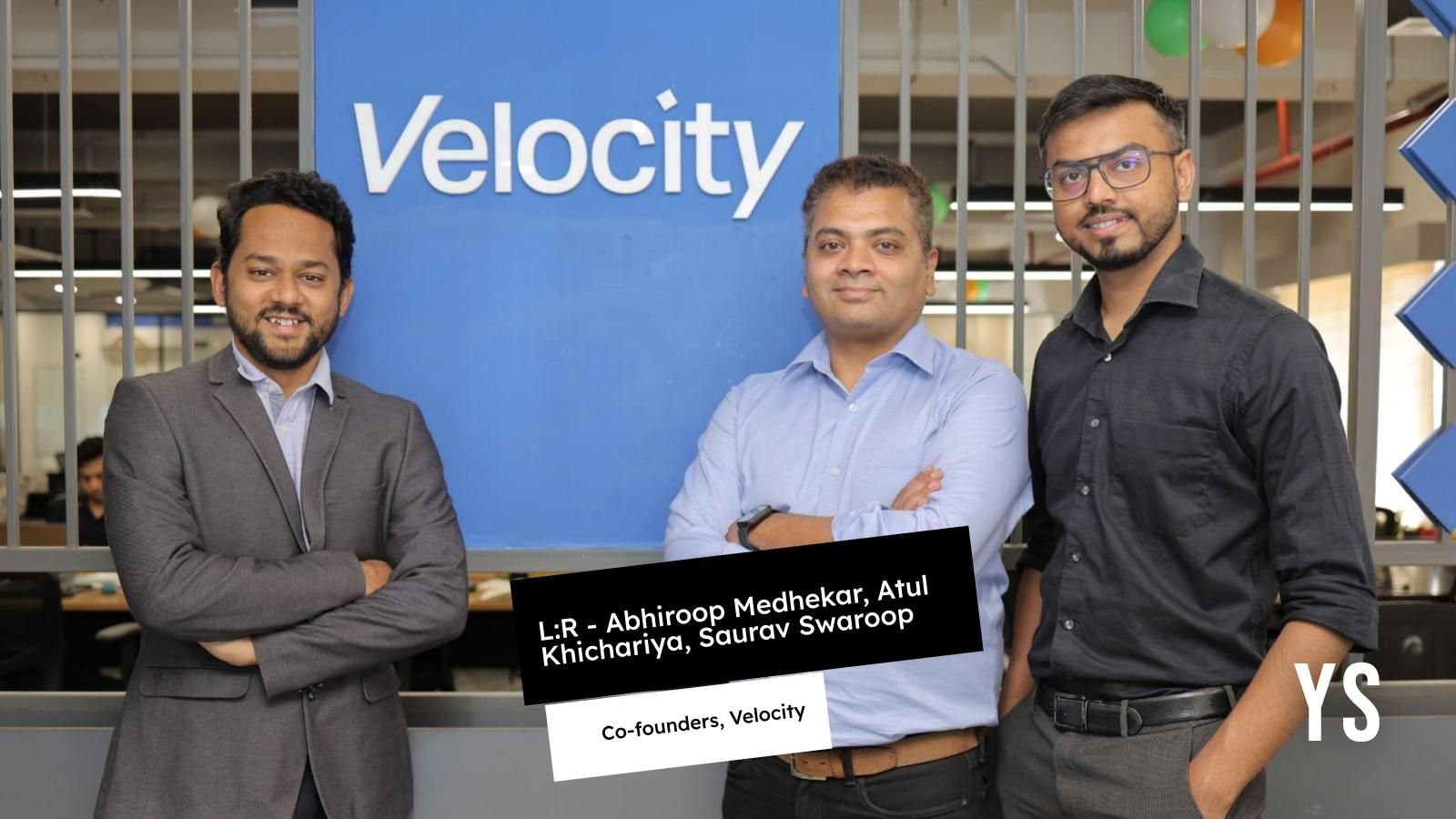


Meet D4NP, a tech-for-good startup enabling non-profit organisations with digital tools
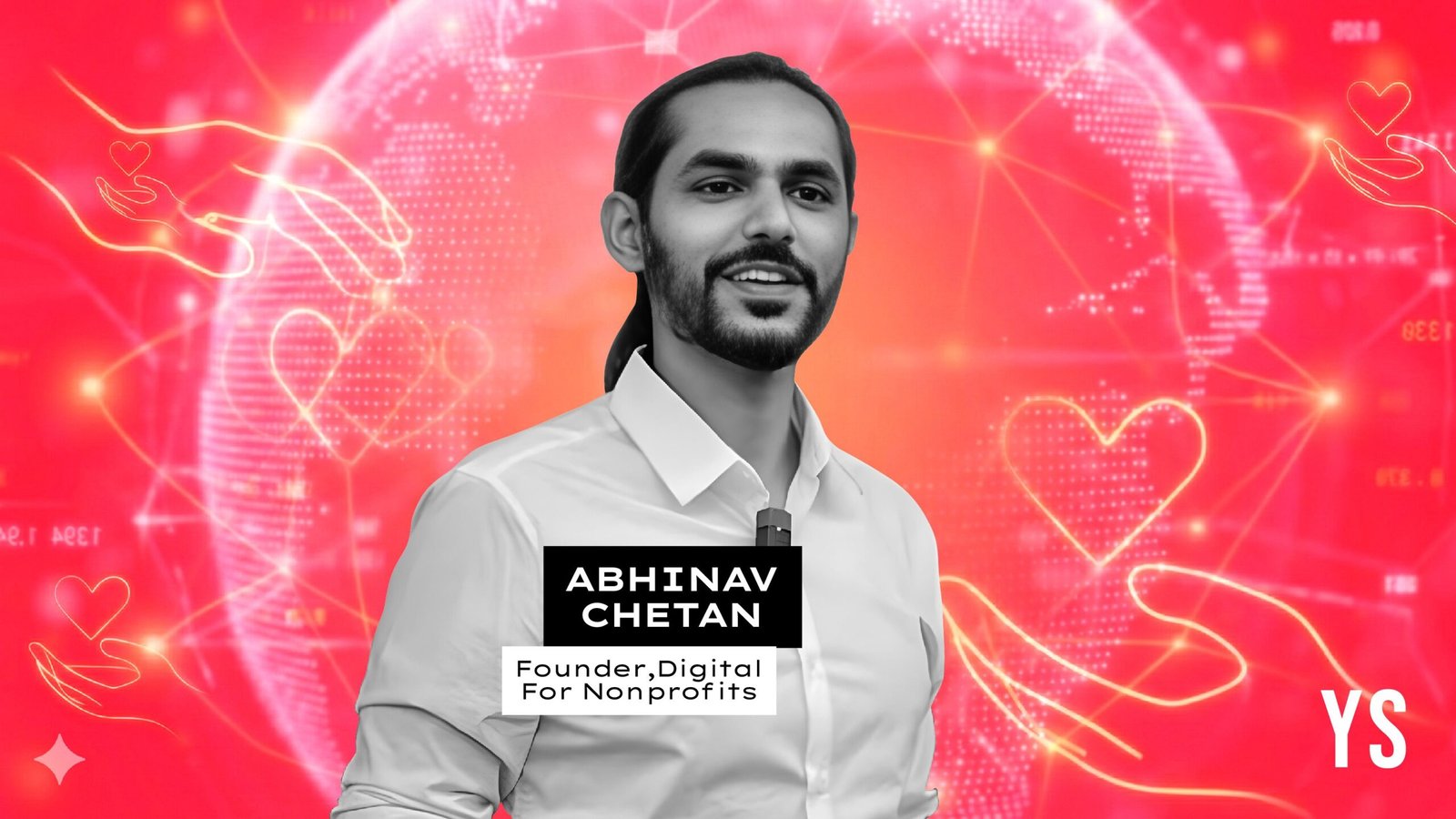

Tech-for-good startup Digital For Nonprofits (D4NP) is one such startup that is building GenAI solutions (among other things) to help non-profits in India become more technologically savvy.
New Delhi-based D4NP’s story started a decade ago. As digital marketing was taking off in India in 2008, Abhinav Chetan was part of Google LLC’s Delhi office, working at the forefront of the country’s growing internet economy. In his 12-year stint at the company until 2020, Chetan got many opportunities to get involved in projects outside of his primary responsibilities—some of which involved working with non-profit organisations.
In 2012, he took a 40-day break to train as a yoga teacher at the Sivananda Yoga Ashram in Kerala. After he returned, he wanted to do something for the organisation.
“They knew yoga. They gave me the gift of practice. I knew digital marketing. So in 2014, I helped them get a Google ad grant. Now they use other technological tools too. That showed me that a 60-year-old ashram with no understanding of the digital space and outreach could suddenly access a lot of ad credit,” he tells YourStory.
That was, as Chetan says, the turning point. Around the same time, he was also leading the Google Workspace for Nonprofits. “It’s a fantastic product; only the non-profits don’t know about it,” he quips, sighing.
So, he took his work with Sivananda Yoga Ashram and founded D4NP in 2020 with the sole intention of empowering non-profit organisations in India with the necessary digital tools to get tech grants. Based in New Delhi, the startup has only 10 employees (one of them works from Bengaluru), which is in line with the founder’s philosophy.
“We have a small team and I intend to keep it like that. We only want to hire people who are as obsessed with empowering non-profits as we are. This work demands patience and a willingness to explain the same things repeatedly. That kind of rigour is not very common,” shares Chetan.
A bumpy road to digital empowerment
Chetan describes D4NP as an “exponential leverage enabler” for non-profits. It is not just helping these organisations secure grants but also helping them build capability in GenAI. However, not every non-profit qualifies.
“We can only work with non-profits registered under sections 80G or 12A of the Income Tax Act. A Foreign Contribution (Regulation) Act (FCRA) license also works. Only such organisations are eligible for tech grants,” Chetan says.
Of the 3 million active non-profits in the country, only 16,227 of them have an FCRA license. As of now, the founder says D4NP has worked with over 20 such paid clients on a retainer-plus-variable model tied to ad grant utilisation, and has enabled and educated over 200 nonprofits on ad grants, Gen AI, and digital marketing maturity.
Over the course of their work, they’ve unlocked over $5 million in ad grants, driven 30–40% efficiency gains through Gen AI, and enabled multi-channel digital growth across organisations. Their partner nonprofits now score 35% above the sector median in digital marketing maturity, based on a 20-point assessment.
Their clients include WWF India, Museum of Art and Photography, SEWA Bharat, Sivananda Yoga Ashram, and All India Disaster Mitigation Institute.
.thumbnailWrapper{
width:6.62rem !important;
}
.alsoReadTitleImage{
min-width: 81px !important;
min-height: 81px !important;
}
.alsoReadMainTitleText{
font-size: 14px !important;
line-height: 20px !important;
}
.alsoReadHeadText{
font-size: 24px !important;
line-height: 20px !important;
}
}
He adds that nonprofits have seen efficiency gains ranging between 20-80% with a significant percentage of nonprofit members using more than one Gen AI tool on a daily basis.
“Gen AI can drive exponential leverage for nonprofit teams that have always had to do more with less. The next step is translating these learnings into a Gen AI maturity acceleration education product for the nonprofit sector, designed to help more organizations adopt AI systematically without needing bespoke consulting,” he explains.
In the past six years, he faced a healthy number of challenges.
“The first challenge was their lack of awareness. Most non-profits aren’t aware that they have access to tech grants which otherwise are very expensive. Secondly, the ones that have adopted tech (like AI services) don’t know how to use it maturely,” Chetan shares.
He adds that the final challenge was to help old and prominent non-profits develop a healthy attitude towards adopting technology in its work. He cites Self-Employed Women’s Association (SEWA) Bharat to highlight this.
“They are over 50 years old. We started working with them in 2021 and since then they have become a benchmark in their space. It is all because their leader Renana Jhabvala sat with me to learn the basics of AI. When she understood the revolutionary possibilities of this technology, she insisted her entire team also learn it,” he says.
A sector ripe for transformation
Chetan believes that for-profit companies like D4NP operating within the non-profit sector represent a highly untapped opportunity, driven by several favorable factors. He says the ecosystem “augers well” for such ventures because there is a massive target addressable market and a significant influx of capital that is often underutilised.
From a financial perspective, he believes the space is thriving. Private philanthropy, for instance, grew to Rs 1.2 lakh crore in FY23.
“The macro trends are entirely in our favor, with a growing GDP, increasing smartphone and internet penetration, and a supply side where tech companies are incredibly willing to offer their stacks for free or at a low cost to support a good cause,” he says.
.thumbnailWrapper{
width:6.62rem !important;
}
.alsoReadTitleImage{
min-width: 81px !important;
min-height: 81px !important;
}
.alsoReadMainTitleText{
font-size: 14px !important;
line-height: 20px !important;
}
.alsoReadHeadText{
font-size: 24px !important;
line-height: 20px !important;
}
}

The founder personally invested somewhere between Rs 3-5 lakh initially. He isn’t keen on raising any external funding for D4NP. The startup currently generates Rs 1-5 crore in annual revenue and plans to grow five-fold in the next three years.
What’s next?
D4NP growth strategy hinges on two parallel tracks. The first is productisation: distilling its on-ground learnings into a scalable education product.
“We want to synthesise our playbooks, frameworks, and case studies into a GenAI capacity building program for non-profits,” says Chetan.
The second is expanding into international markets. “In parallel, D4NP will expand its model to nonprofit ecosystems outside India by partnering with international networks,” he signs off.
Discover more from News Link360
Subscribe to get the latest posts sent to your email.