

Tata Motors PV starts manufacturing at new TN unit; Evoque first model | Company News

Tata Motors Passenger Vehicles Ltd (TMPV), India’s leading manufacturer of cars and SUVs, and its subsidiary Jaguar Land Rover Automotive Plc (JLR), on Monday announced the commencement of operations at their ₹9,000-crore new manufacturing facility at Panapakkam in the Ranipet district of Tamil Nadu.
The current facility reflects the first phase of development of a greenfield plant for producing next-generation vehicles, including EVs, for both TMPV and JLR brands. The first vehicle to roll out of the plant is the locally manufactured Range Rover Evoque from JLR, a model celebrated globally for its modern luxury and exceptional craftsmanship.
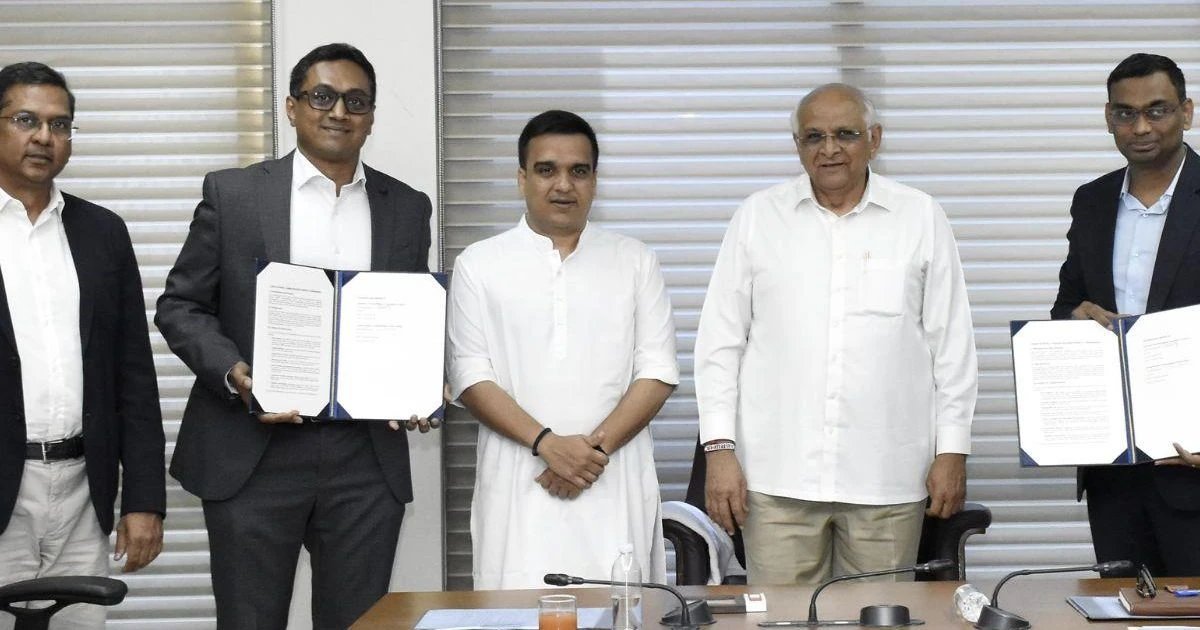
The facility was formally inaugurated by the Chief Minister of Tamil Nadu, M K Stalin, and N Chandrasekaran, chairman, Tata Sons and Tata Motors Passenger Vehicles, in the presence of Industries Minister T R B Rajaa.
Inaugurating the Tata Motors Passenger Vehicles-JLR facility, Stalin said, “Tata Group has long played a pivotal role in nation building and shares a deep, historic partnership with Tamil Nadu. With the commencement of operations at this new manufacturing facility and the rollout of the first Range Rover Evoque in Panapakkam, Ranipet, the state is proud to witness the expansion of world-class automotive manufacturing. Tamil Nadu welcomes this significant milestone and remains committed to supporting industries that create jobs, drive innovation, and reinforce our position as India’s leading hub for manufacturing and mobility.”
Chandrasekaran said, “The inauguration of our Panapakkam facility marks a significant milestone in the Tata Group’s journey to accelerate India’s leadership in sustainable and future-ready manufacturing. We are also proud to deepen our long-standing partnership with Tamil Nadu, a state that continues to drive industrial excellence, innovation, and inclusive growth. With this facility, we look forward to producing vehicles of exceptional quality, craftsmanship, and technology for customers in India and around the world.”
What will the Panapakkam plant produce for Tata Motors and JLR?
TMPV’s Panapakkam plant brings together advanced manufacturing technologies and a skilled workforce to deliver world-class vehicles.
The facility is operated by a diverse team of shopfloor technicians from across Tamil Nadu, who are also participating in Tata Motors’ Lakshya programme, an “earn while you learn” initiative that accelerates talent growth from the shopfloor into engineering and management roles. Selected through a rigorous state-wide assessment of polytechnic graduates, they completed five months of intensive, hands-on training at JLR facilities, equipping them with world-class operational and technical proficiency.
With the opportunity to earn a company-sponsored BTech degree from a renowned university while they work, they can advance their personal growth and professional excellence while taking care of their families. Their journey underscores how focused skilling and local talent development can accelerate advanced manufacturing and deliver lasting economic and social impact.
With operations now underway, vehicle production will scale up in a phased manner, progressively reaching the facility’s full designed annual capacity of 250,000 vehicles over the next five to seven years, serving requirements for both Indian and international markets.
Overall, TMPV intends to invest ₹9,000 crore in making this manufacturing facility cutting-edge to support its long-term growth ambitions. The plant has the potential to create over 5,000 direct and indirect employment opportunities while fostering skill enhancement and supporting the growth of a strong ancillary ecosystem.
The Panapakkam facility also exemplifies TMPV’s sustainability-first philosophy, incorporating environmentally responsible operations at every stage. The plant has been designed to operate entirely on renewable energy, be water positive and set a new standard for green manufacturing within the automotive sector. Designed with a high quotient of sustainable practices, it prioritises efficiency, minimises emissions, and adheres to stringent global environmental benchmarks.
Discover more from News Link360
Subscribe to get the latest posts sent to your email.