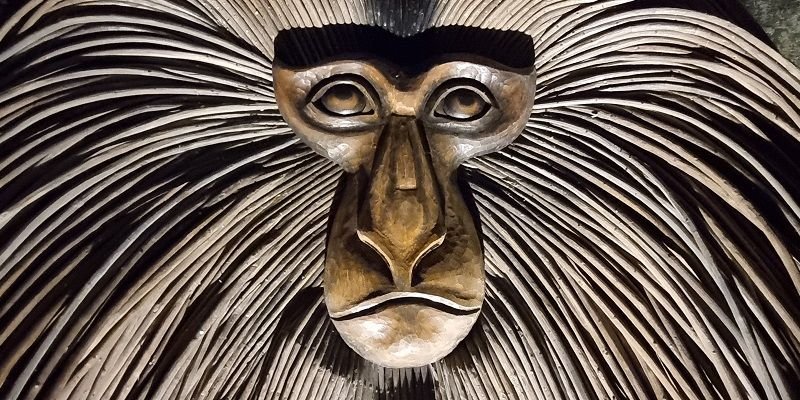
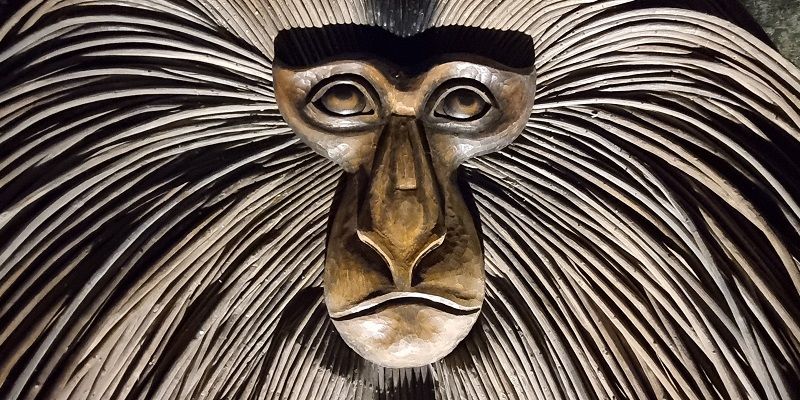

The Sixth Sense festival kicks off its spectacular showcase of art, sound, light and storytelling in Bengaluru this month. It depicts the varied and layered aspects of nature’s intelligence, which are hard to decode and recode.
The pioneering multidisciplinary immersive festival is the brainchild of Swordfish Entertainment, which also designs and produces the award-winning Echoes of Earth. It is regarded as India’s greenest music festival (see our coverage of earlier editions here).
.thumbnailWrapper{
width:6.62rem !important;
}
.alsoReadTitleImage{
min-width: 81px !important;
min-height: 81px !important;
}
.alsoReadMainTitleText{
font-size: 14px !important;
line-height: 20px !important;
}
.alsoReadHeadText{
font-size: 24px !important;
line-height: 20px !important;
}
}

“The festival has been two years in the making, and aims to expand the experience provided by the Echoes of Earth festival which runs for only two days. It enables people to explore the design and ecological themes in a deeper manner,” Roshan Netalkar, Founder and Festival Director of The Sixth Sense, tells YourStory.
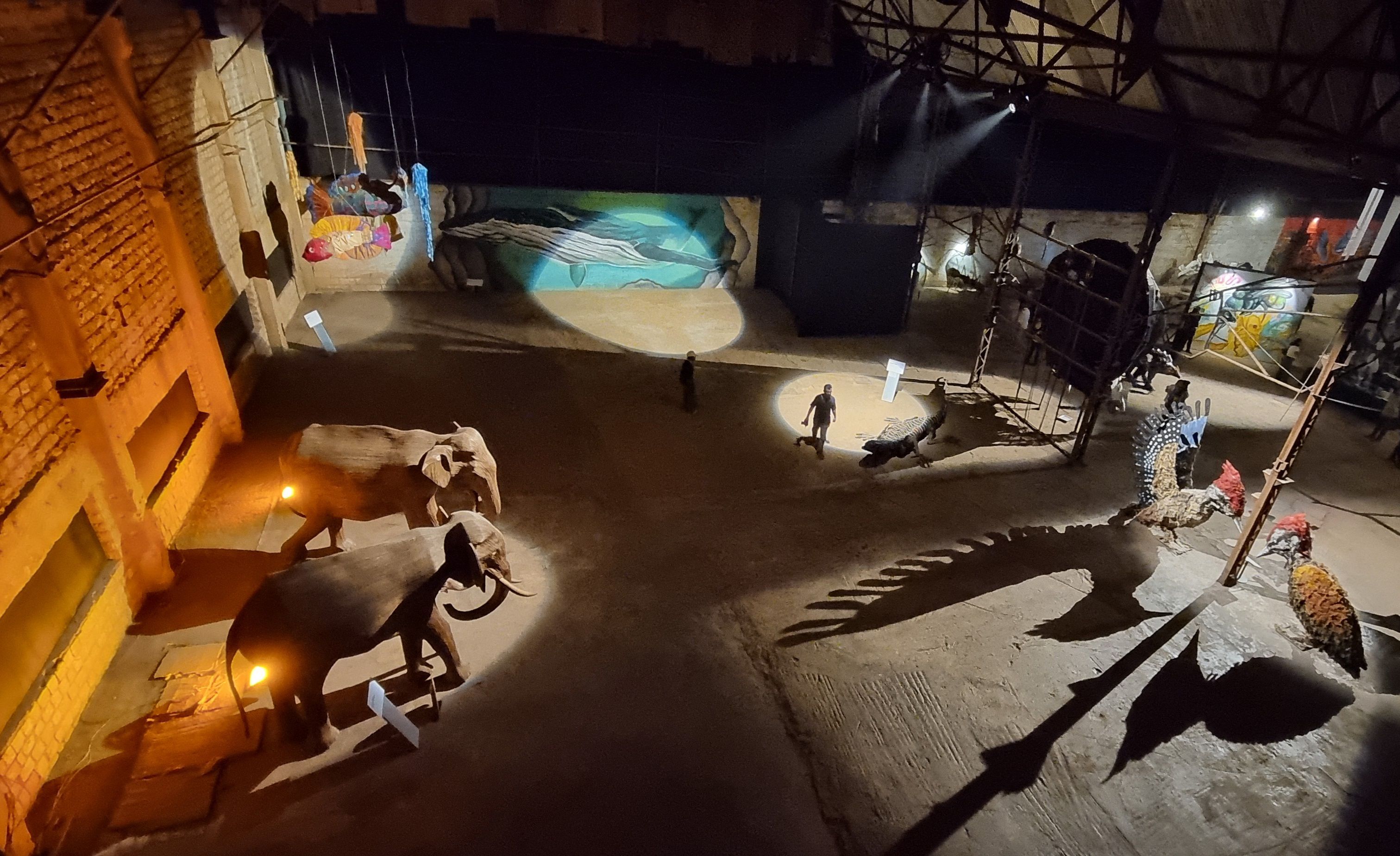
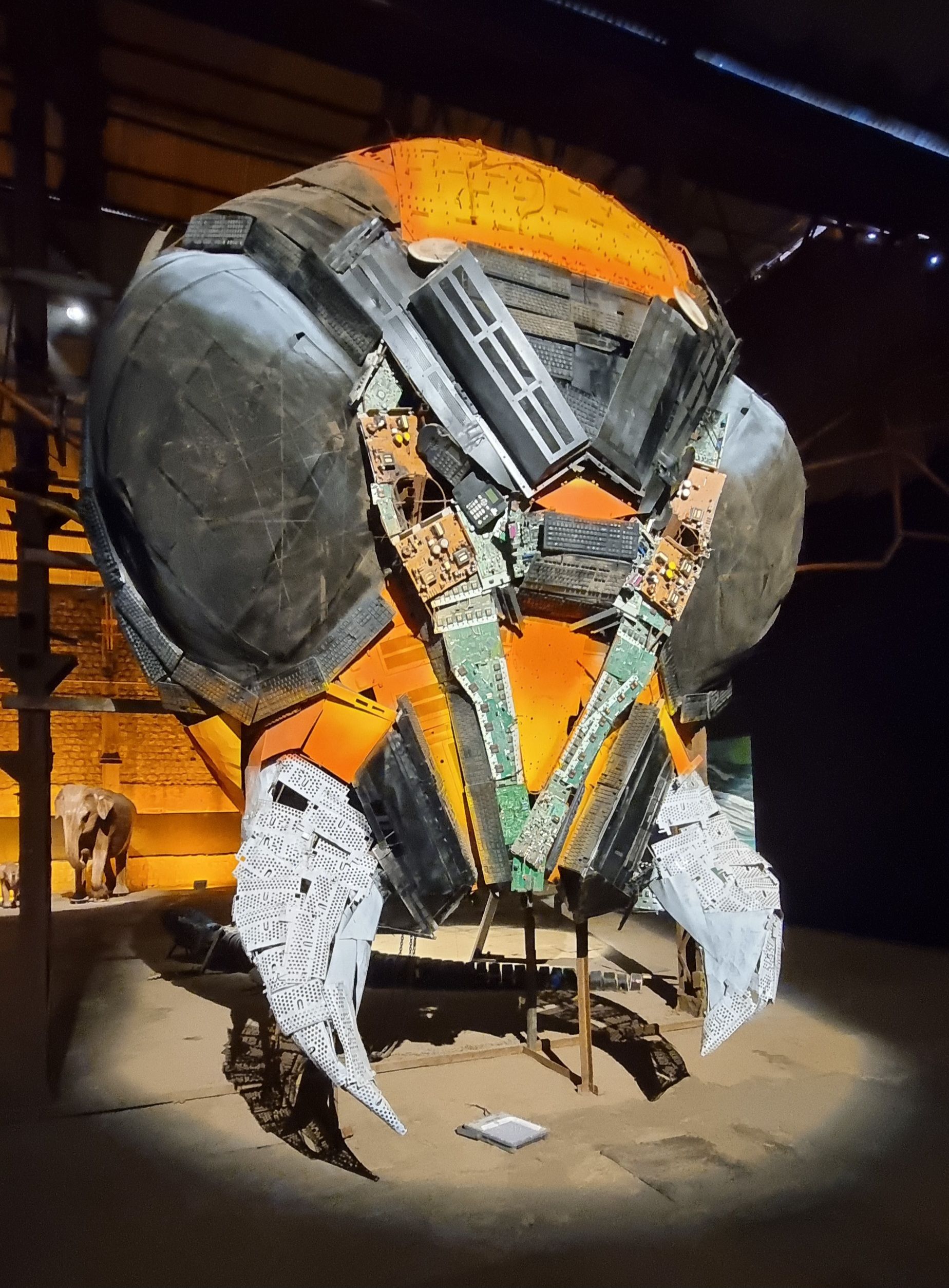
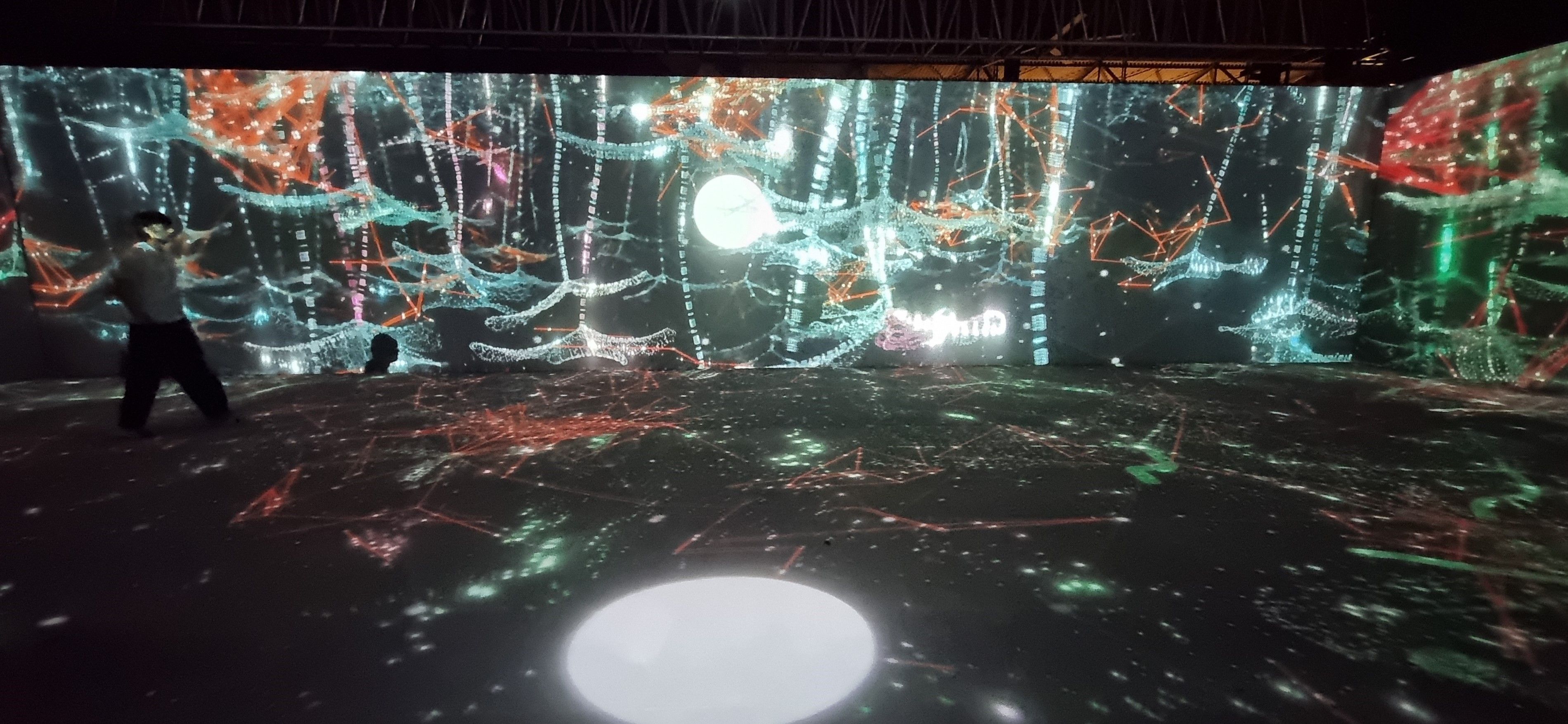
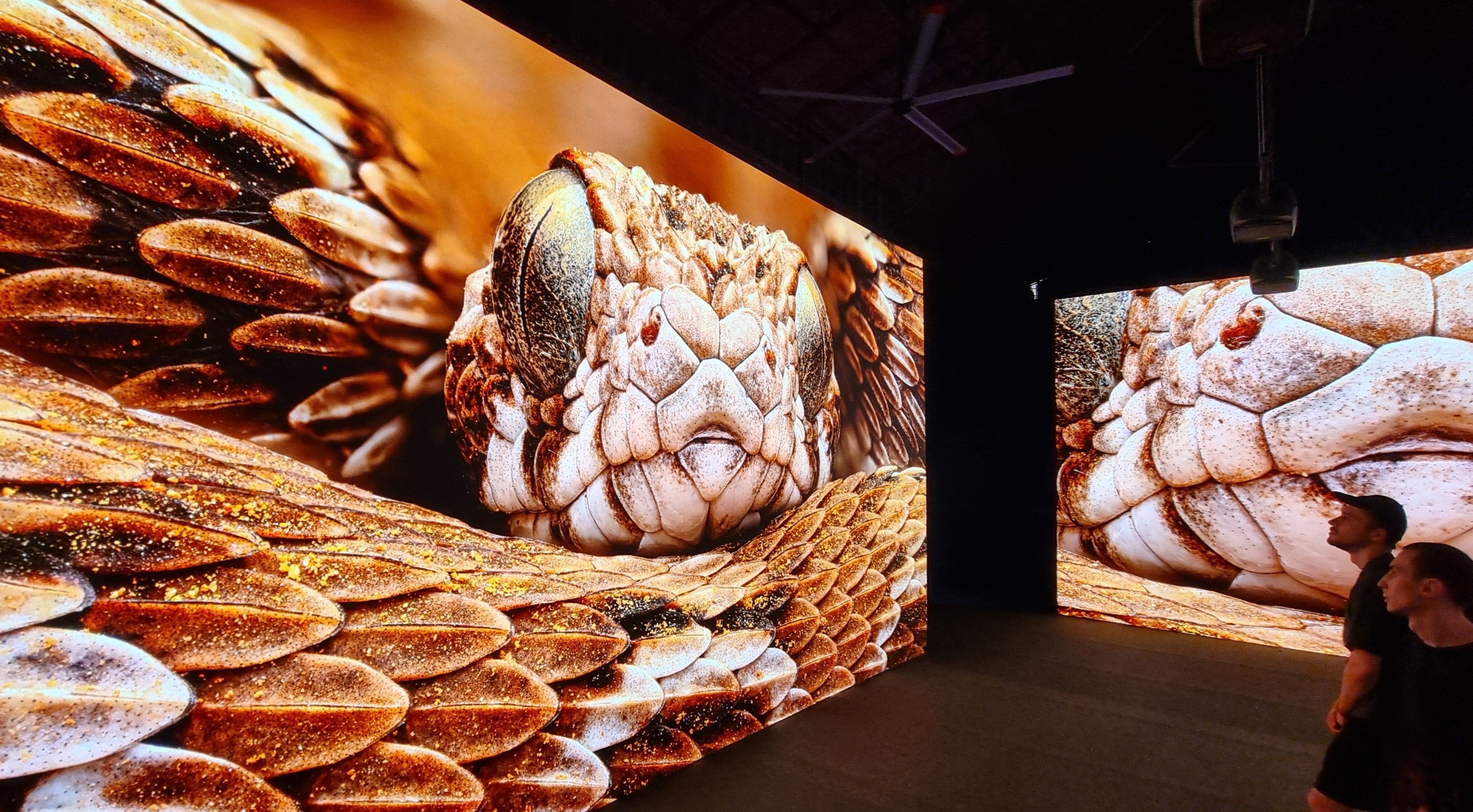
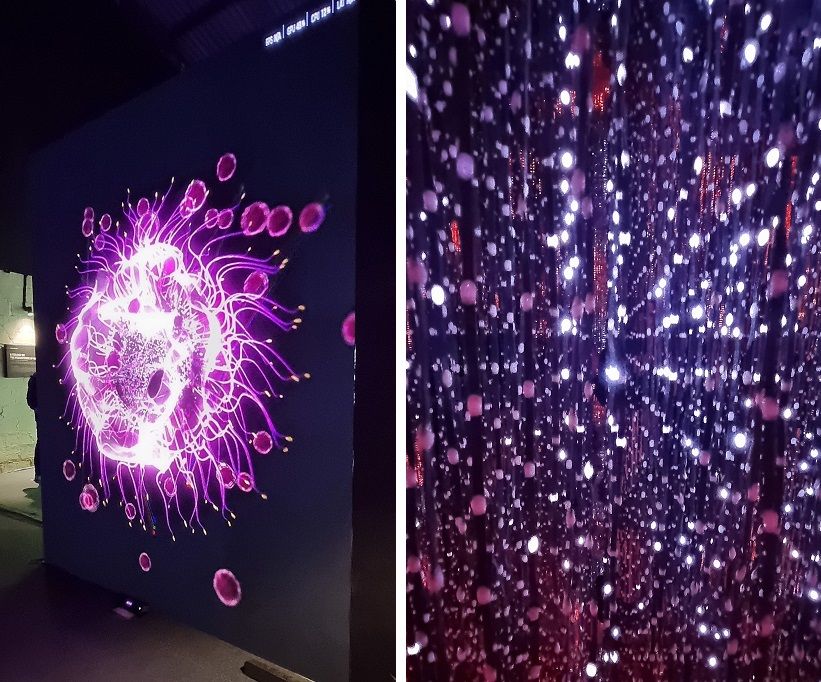
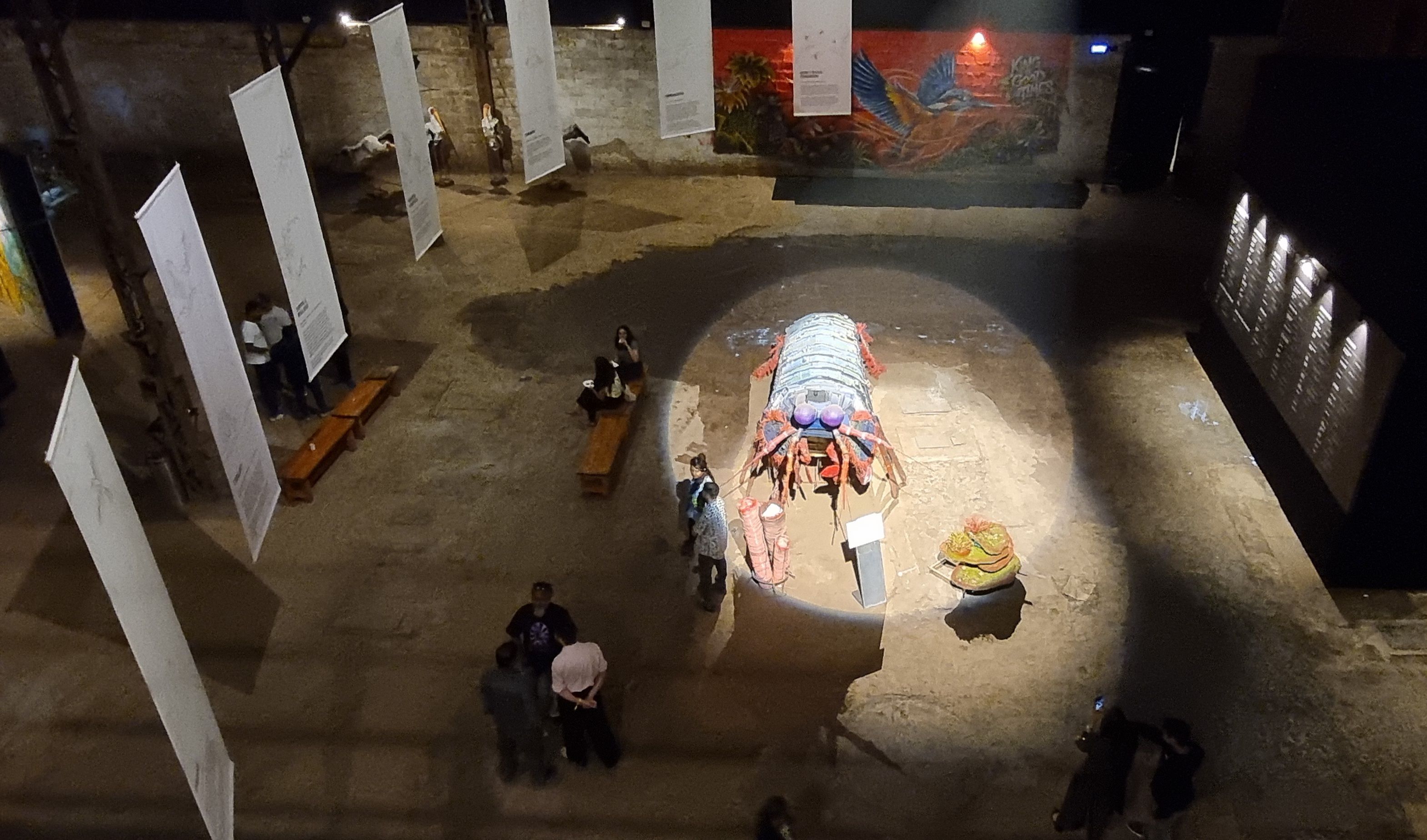
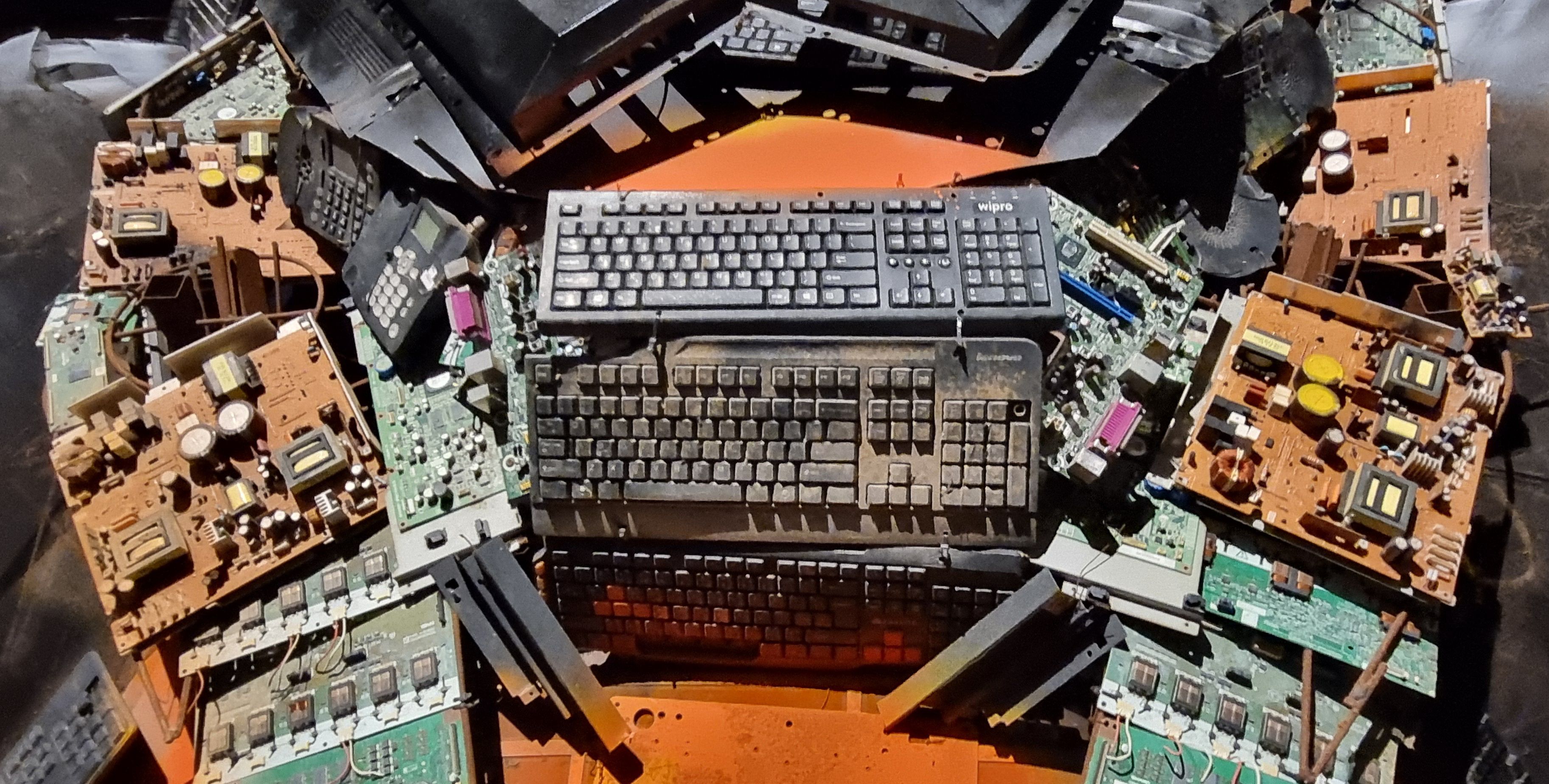
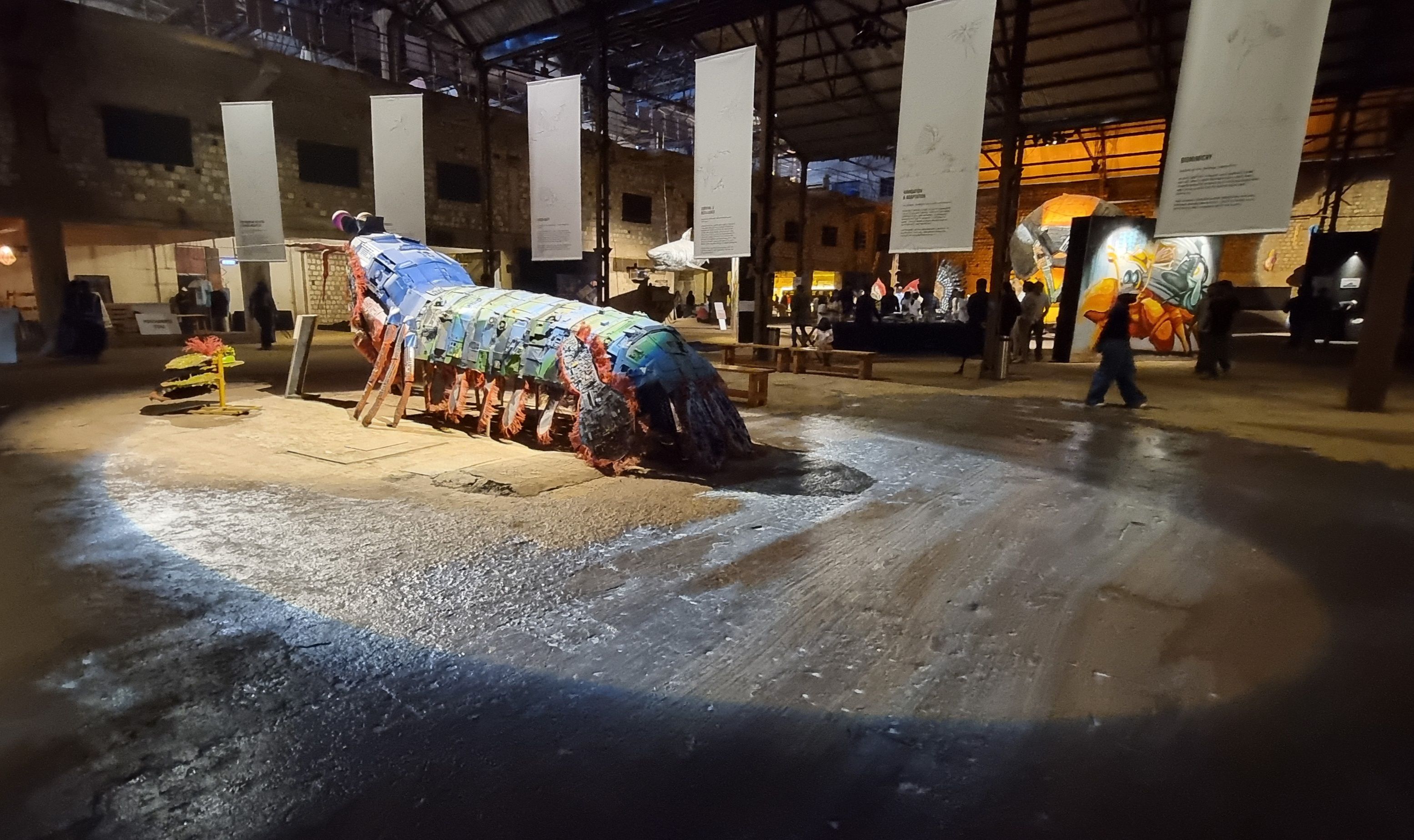
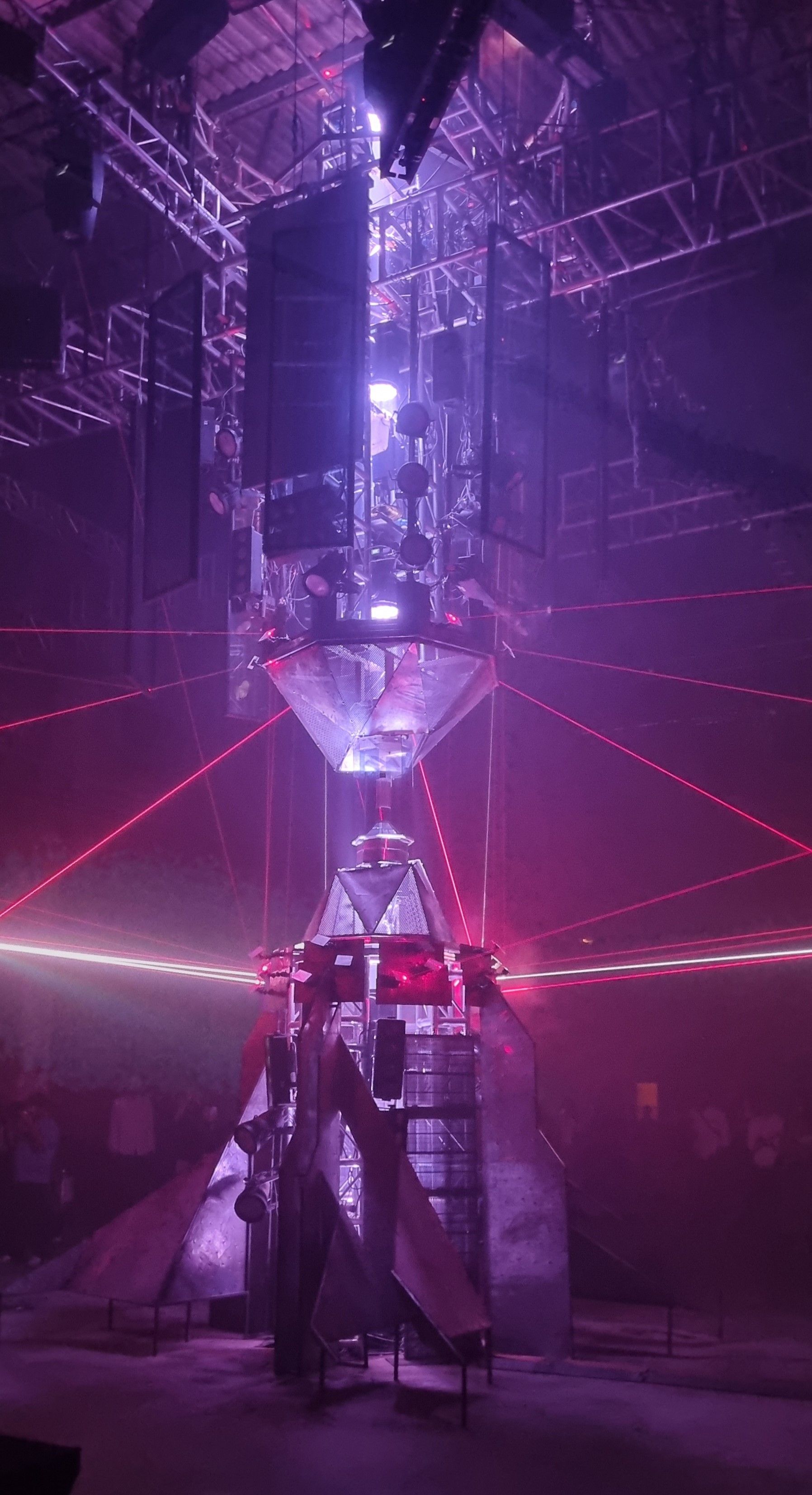
Held at Alembic City in Whitefield, Sixth Sense features 15+ immersive art-tech experiences, 20+ waste-to-art installations, a 360° dome experience, and music performances from a range of Indian and international artists.
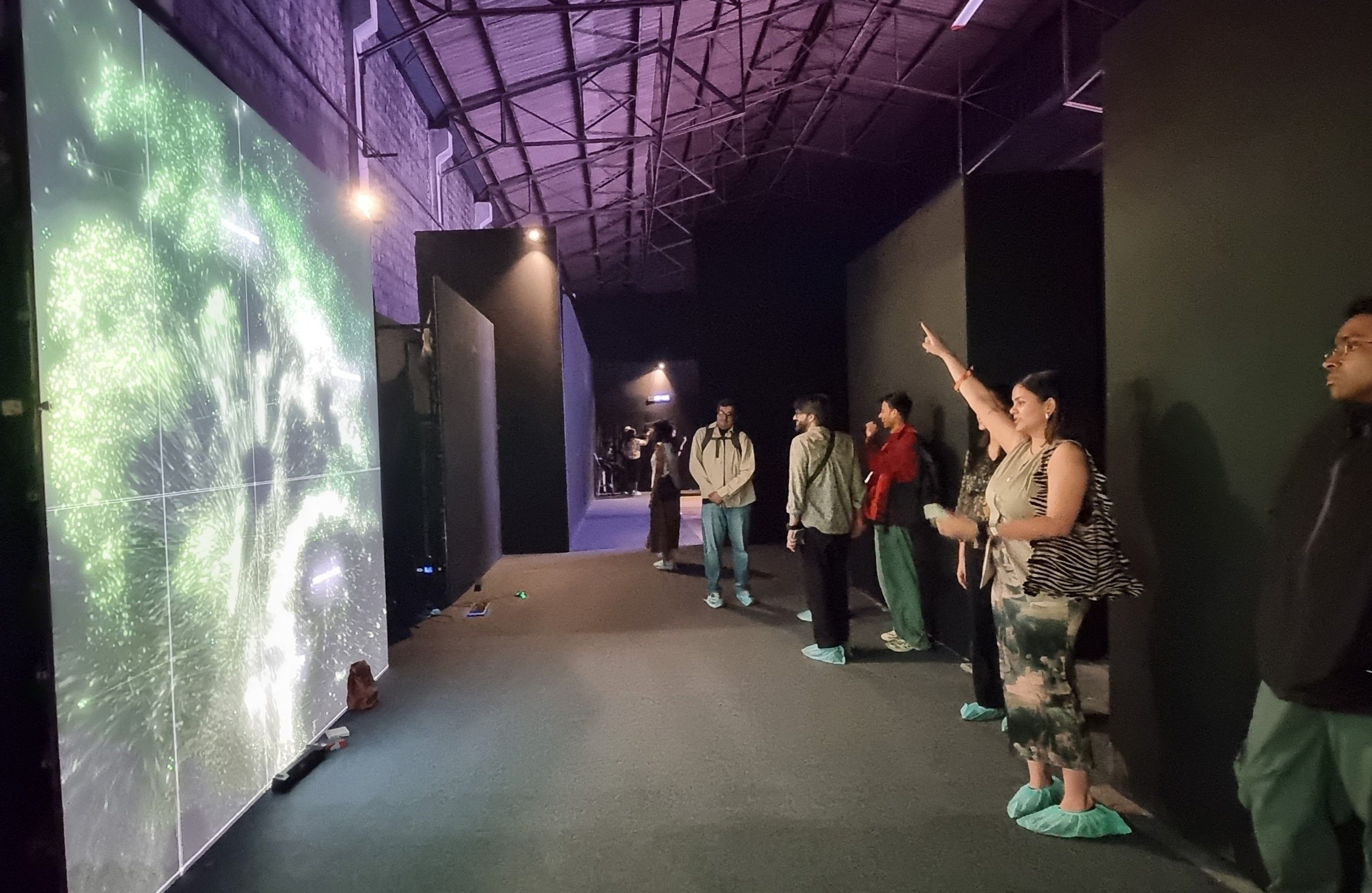
The venue is the iconic 60-year-old glass factory, whose vast spaces create a sense of awe along with multiple viewing experiences. No photographs, videos or VR (virtual reality) renditions can do justice in capturing the festival – it has to be physically witnessed to truly grasp its scale and scope.
“This collaboration marks the beginning of a vibrant cultural movement at Alembic City. We look forward to many more experiences that challenge perceptions and spark imagination,” Udit Amin, Managing Director, Alembic Global Holdings, adds.
The raw industrial architecture of the legacy space features the work of a broad range of collaborative partners from across the creative ecosystem. The themes and formats of the show combine art, design, technology, sustainability, and interactive performances in memorable journeys.
Audiences can explore the artworks at their own pace. Nature-led storytelling unfolds through light, sound, space, and movement – delighting audiences of all ages. Interactive ‘TouchDesigner’ sessions are presented by The NODE Institute from Germany, for participants who include creative coders, digital artists, and experience designers.
.thumbnailWrapper{
width:6.62rem !important;
}
.alsoReadTitleImage{
min-width: 81px !important;
min-height: 81px !important;
}
.alsoReadMainTitleText{
font-size: 14px !important;
line-height: 20px !important;
}
.alsoReadHeadText{
font-size: 24px !important;
line-height: 20px !important;
}
}
Exhibition highlights include The Banyan Tree, a large-scale installation designed by new-media artist Stephen Bontley. It explores themes of connection, resilience and continuity — echoing the symbolism of the banyan tree in India.
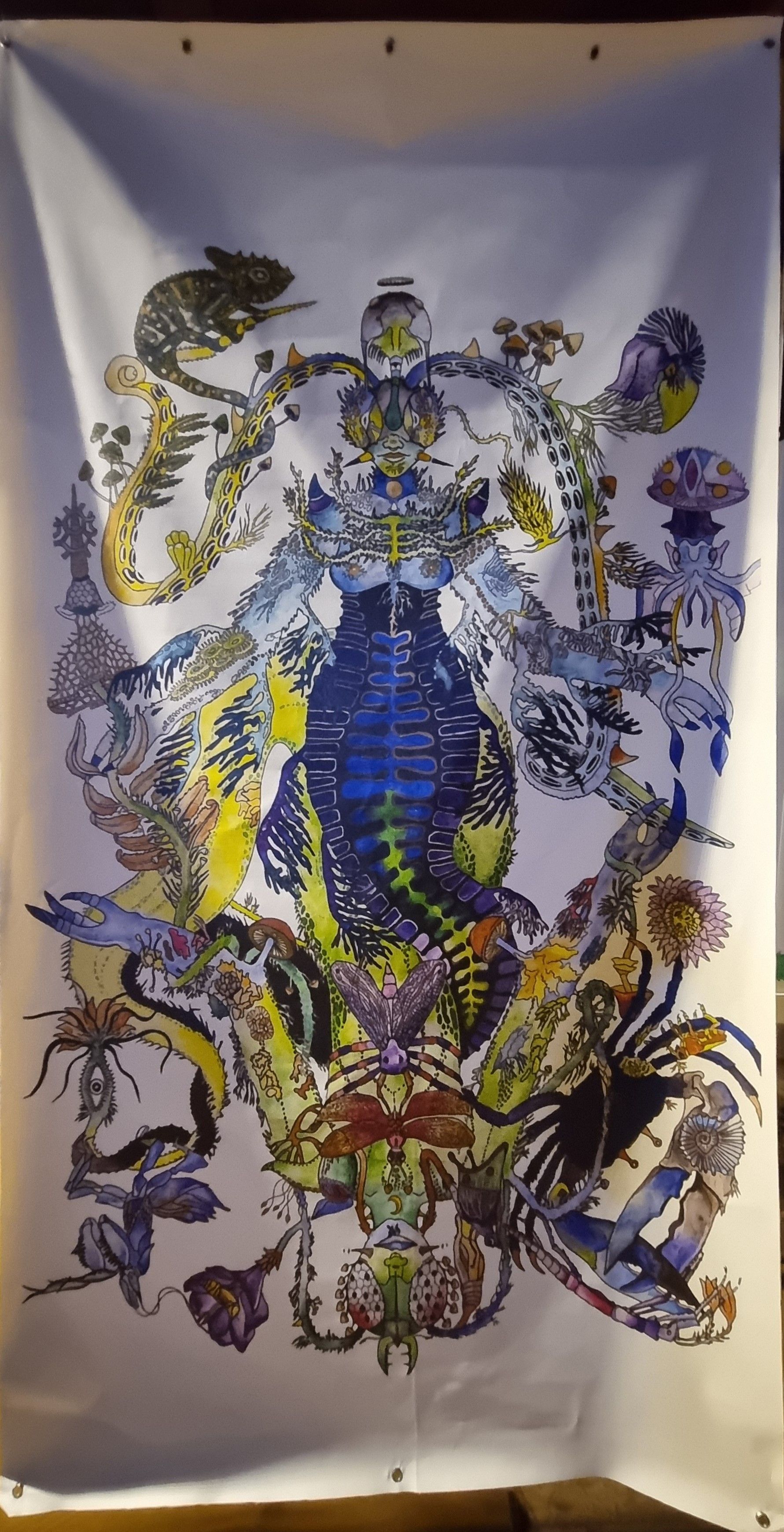
Other highlights are Sounds of the Ocean (by Joshua Sam Miller and Elise Lein), Mycelial Imagination (Yash Chandak), Holymantis (Priyanka Muniyappa), Tessellation, and Ephemeral Tomorrow.
The festival runs through February 22 with a musical lineup of Batavia Collective, Luke Slater, Max Cooper, Jay Panelia, and ‘zitaar’ virtuoso Niladri Kumar with Vieux Farka Touré.
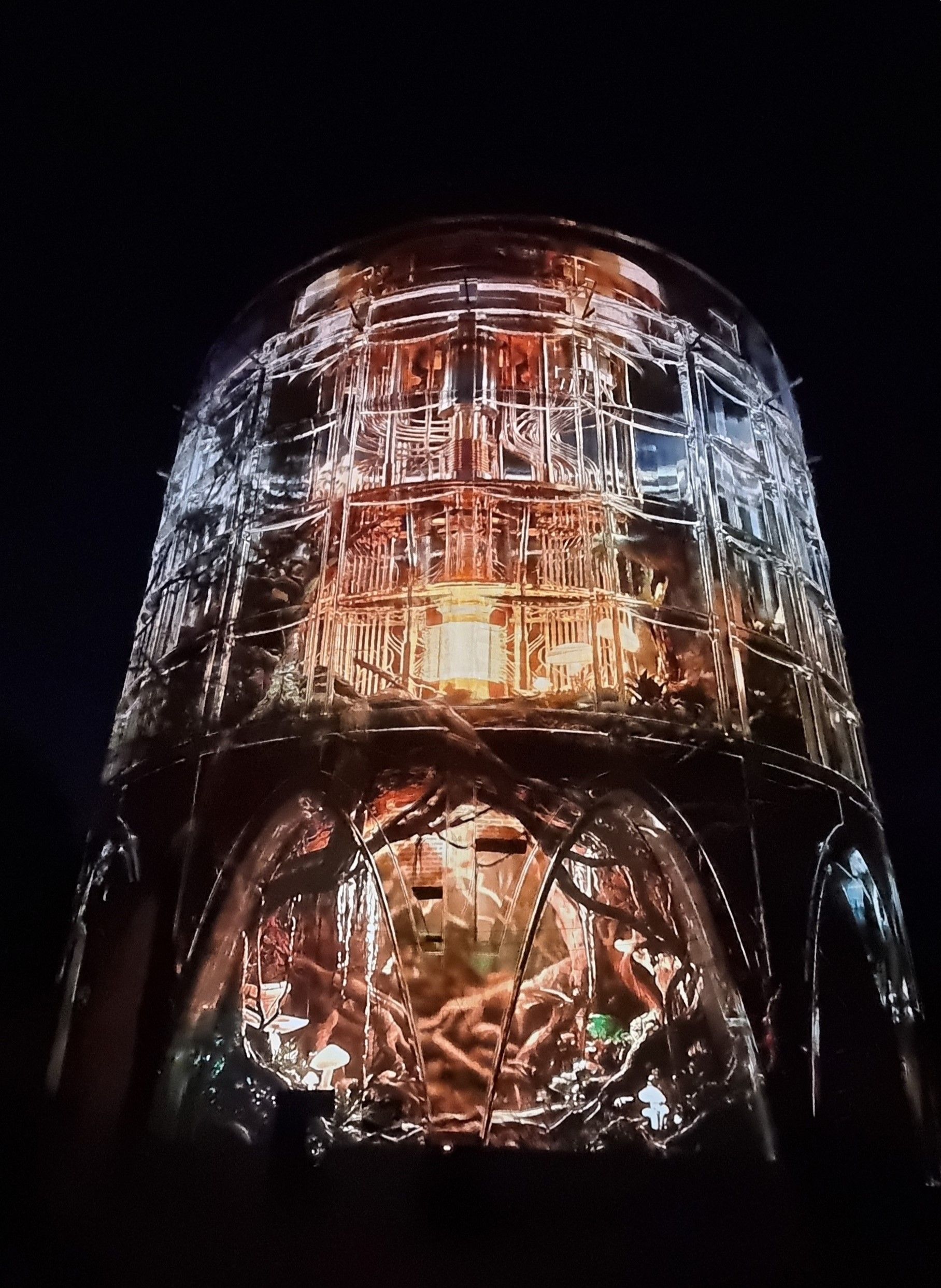
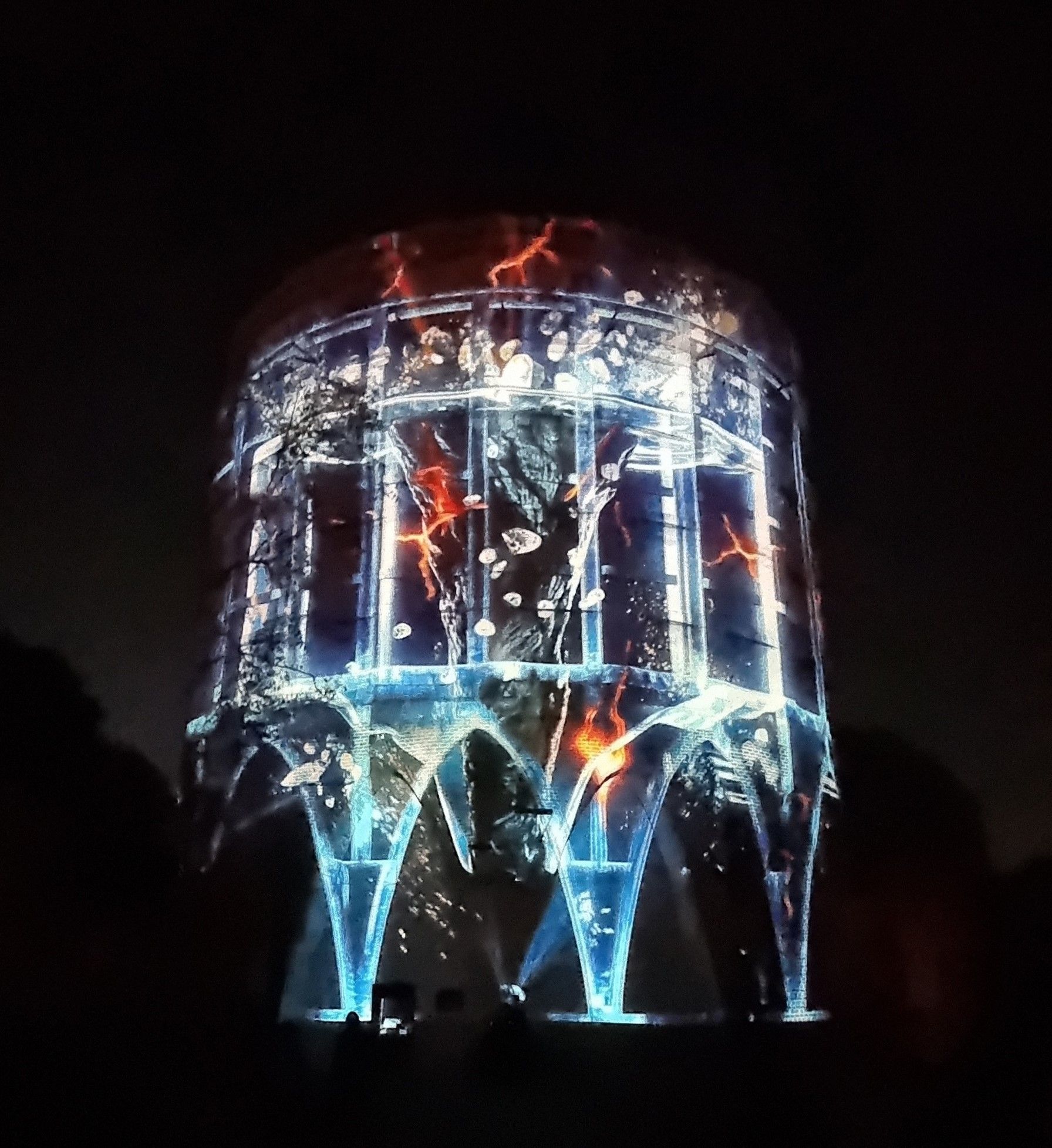
A collaboration with Tanishq has led to another landmark large-scale art show, which depicts emotions around diamonds as symbols of love. Berlin-based STUDIO RE:SORB builds on the concept of ‘Mine to Marvel’ with 3D projections to deliver this experience.
“This partnership goes beyond collaboration. It is about finding new ways to connect with people,” Netalkar says.
“Through this immersive sensory experience, we bring alive the diamonds’ extraordinary passage from deep within the Earth to a timeless emblem of lifelong togetherness,” explains Pelki Tshering, Chief Marketing Officer, Tanishq.
.thumbnailWrapper{
width:6.62rem !important;
}
.alsoReadTitleImage{
min-width: 81px !important;
min-height: 81px !important;
}
.alsoReadMainTitleText{
font-size: 14px !important;
line-height: 20px !important;
}
.alsoReadHeadText{
font-size: 24px !important;
line-height: 20px !important;
}
}

The festival hopes to attract 35, 000 visitors from India and overseas for its unique mix of installations, bio-acoustic recordings, digital zones, research presentations, and AI-inspired imagery.
At technology increasingly reshapes how we think, feel and interact, the results can be unifying as well as isolating. The Sixth Sense festival uses technology not just for spectacle, but to translate ideas into sensory, emotional experiences.
It challenges audiences to rethink what intelligence is — extending beyond machines and data to include nature, ecosystems and collective experience. The festival evokes a strong sense of wonder, curiosity, empathy, respect, and responsibility for nature and humanity.
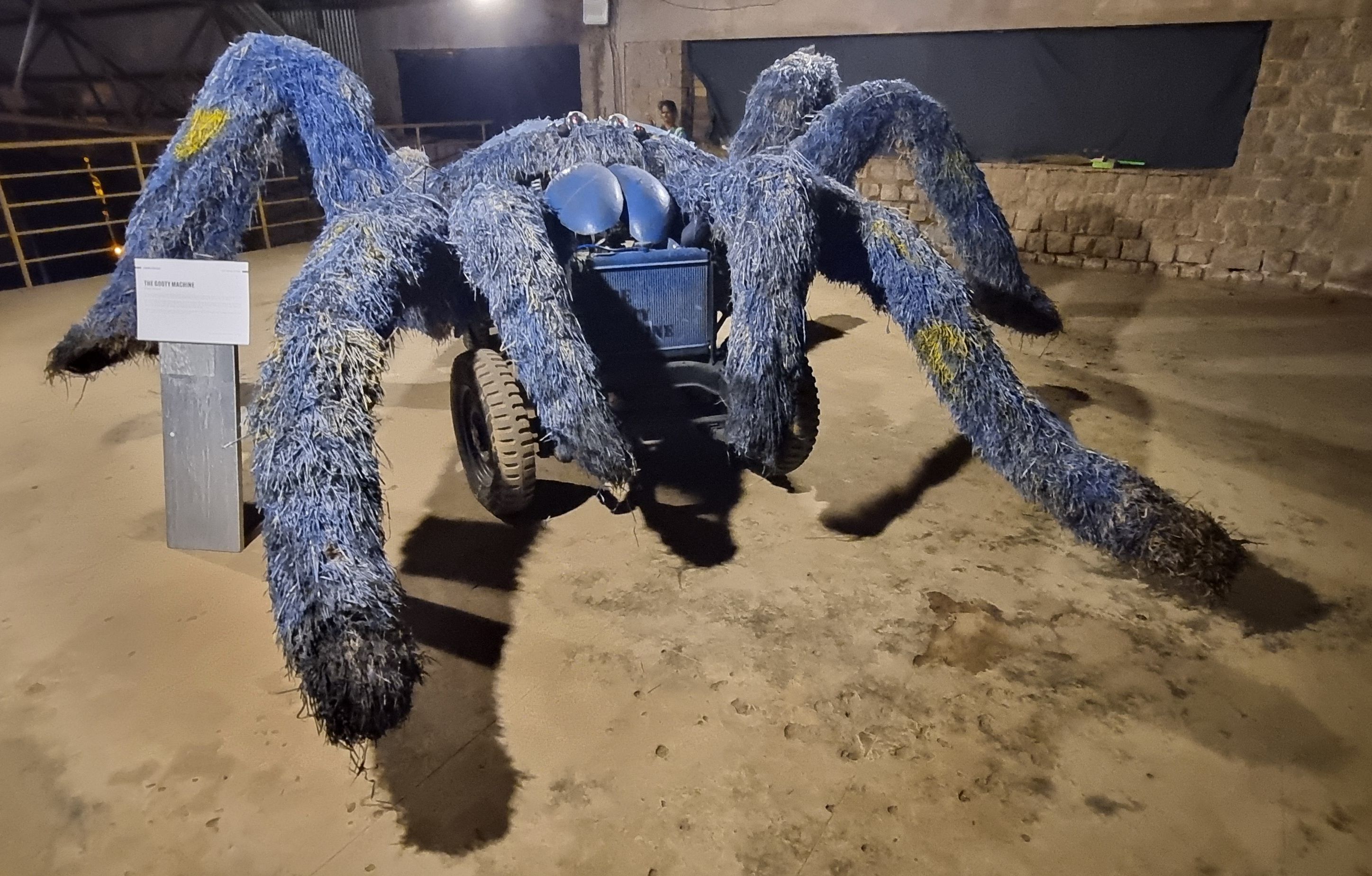
By bringing together international and Indian artists, the festival fosters cross-cultural dialogue and exchange. Rooted in Indian contexts of ecology and heritage, Sixth Sense extends the sense of community to a global level.
The festival also raises the positioning of Bengaluru not just as a tech hub but also a platform for digital art and culture that is global in outlook and local in resonance. Audiences are nudged and probed to ask deeper questions about technology, ecology and perception, while artists are stimulated with educational and skill-building opportunities in immersive media.
In sum, The Sixth Sense matters today because it is not just a festival — it is an evolving cultural experiment and movement for creative expression. It seems all set to become a landmark event in India’s annual cultural calendar.
Now, what have you done today to pause in your busy schedule and harness your creative side for a better world?
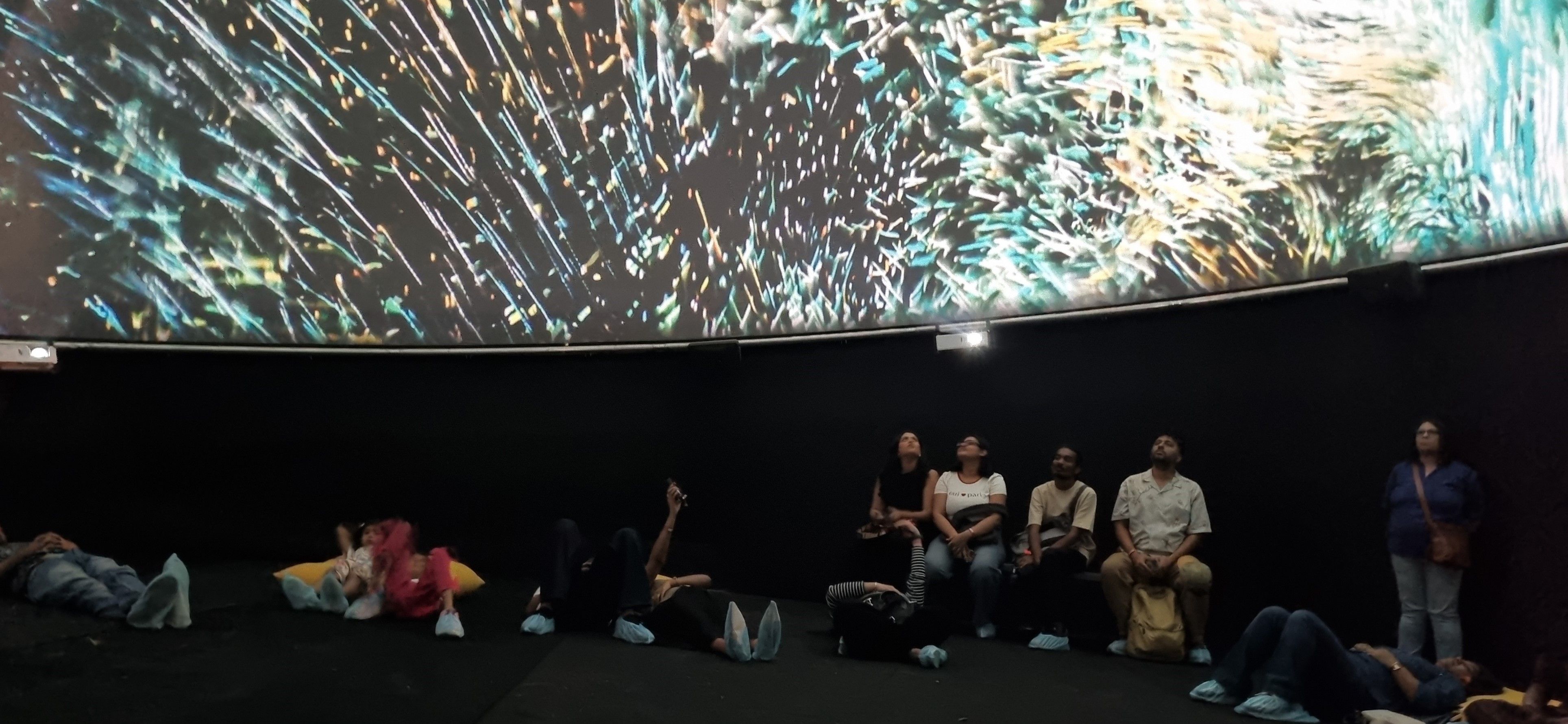
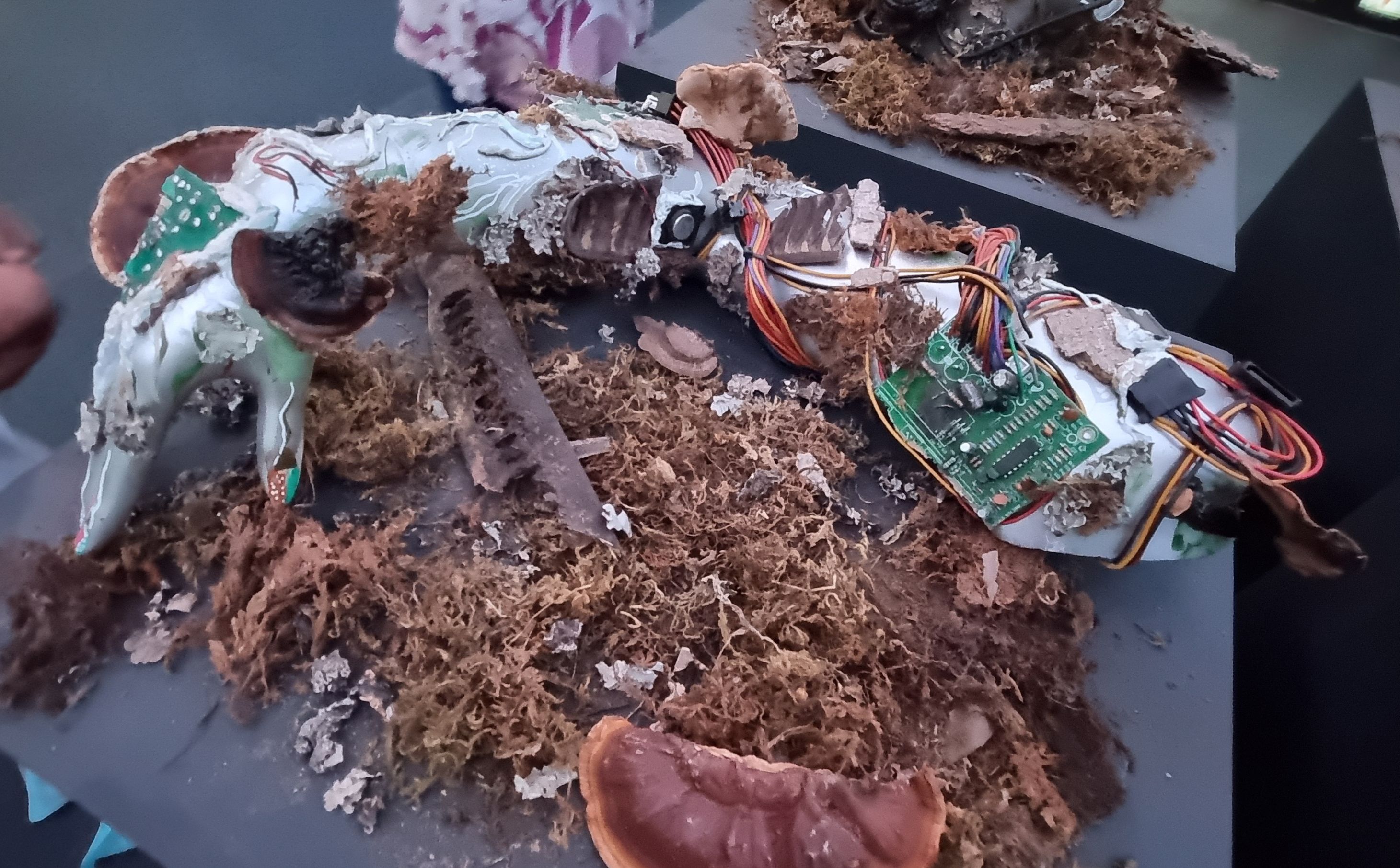
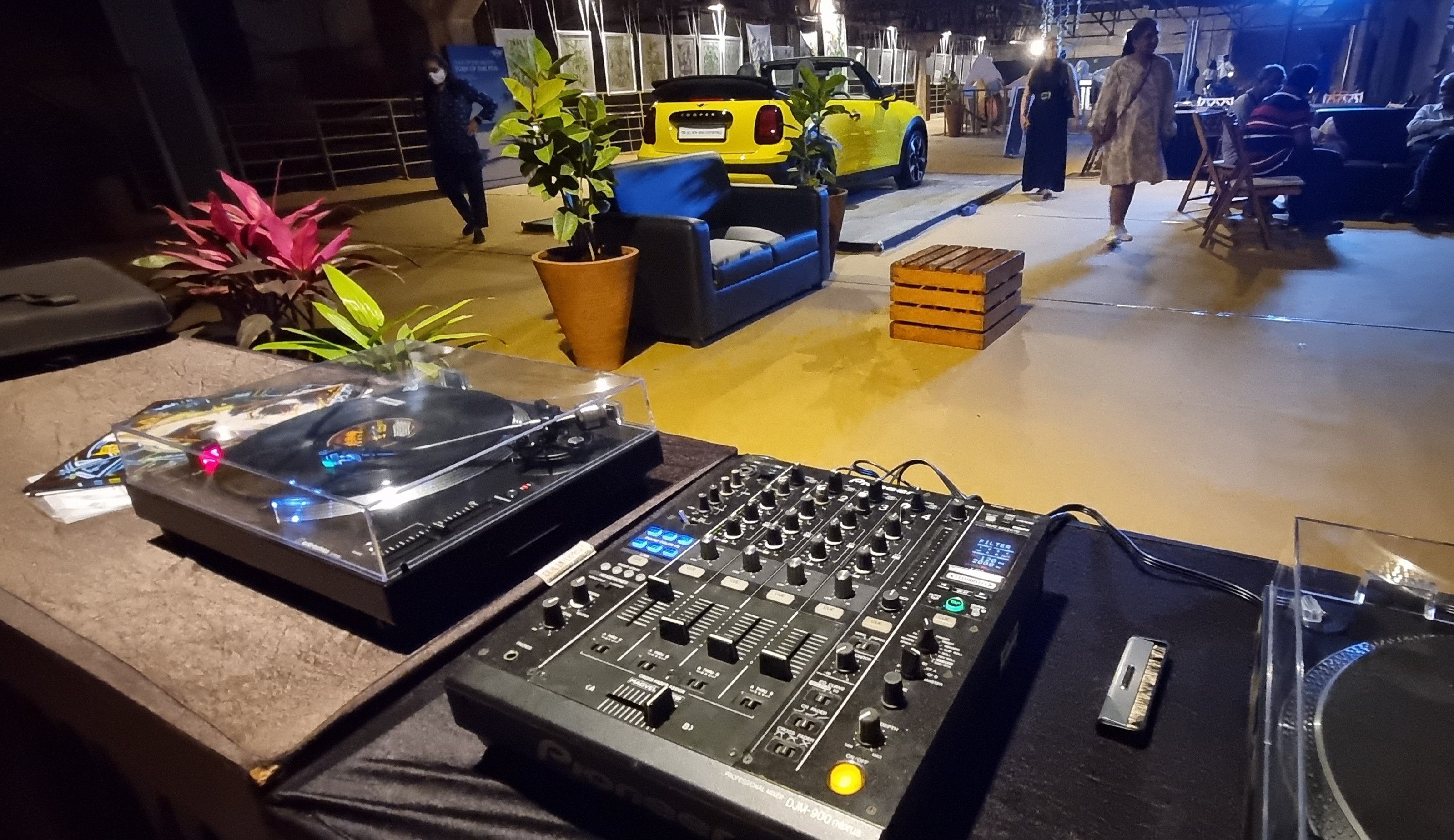

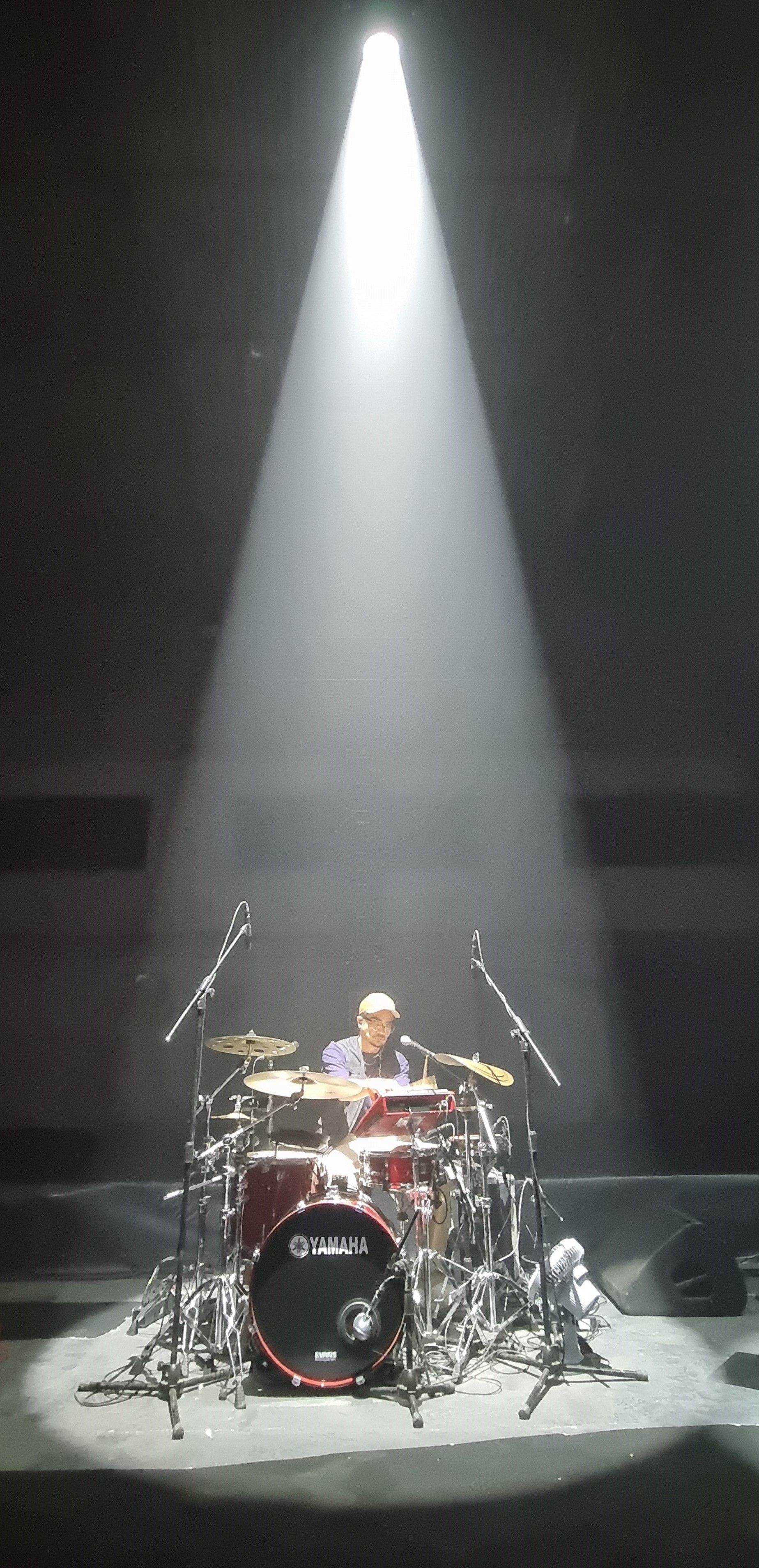
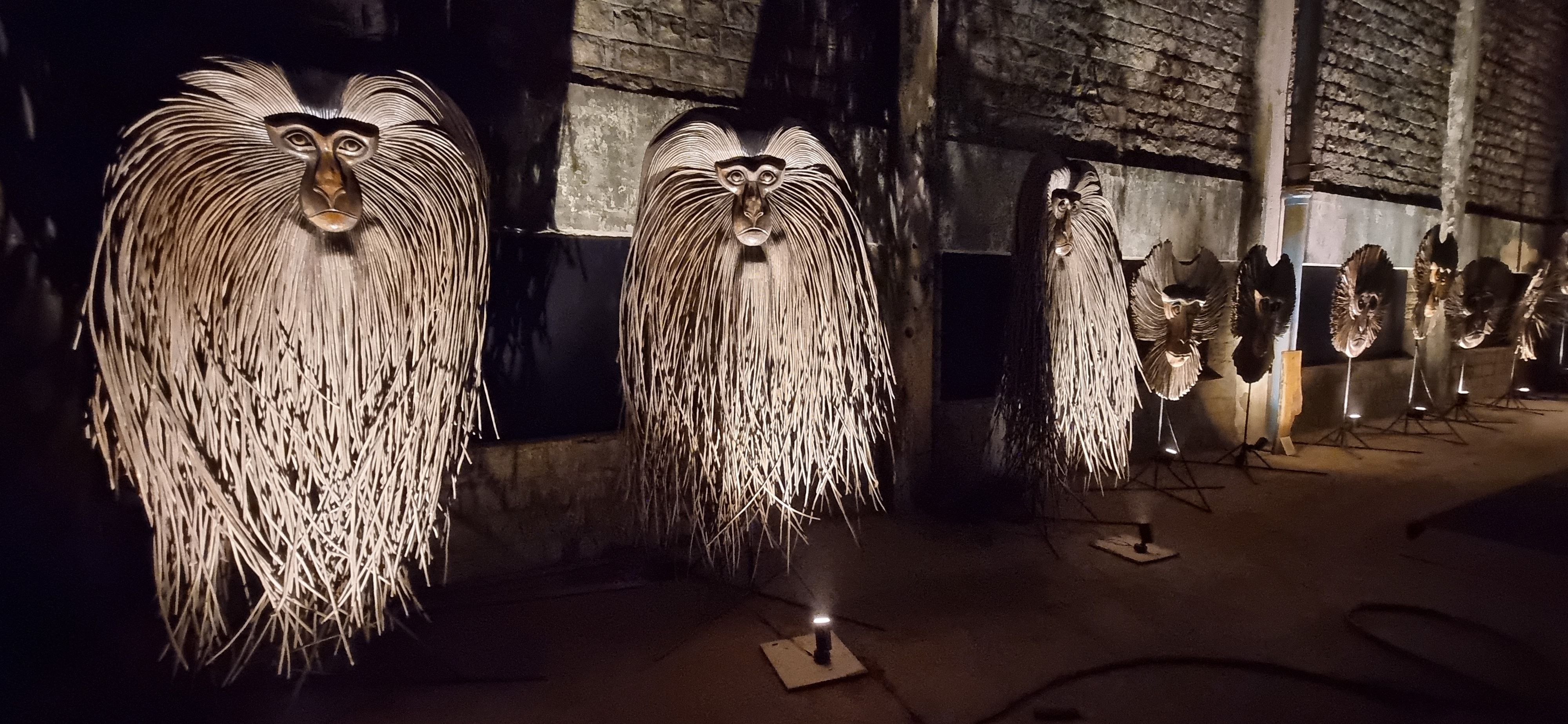
(All photographs taken by Madanmohan Rao on location at Alembic City.)
Edited by Jyoti Narayan
Discover more from News Link360
Subscribe to get the latest posts sent to your email.