
Tata Group retail firm Trent is eyeing further expansion into tier 3 and tier 4 cities amid a macro market which is expected to be far more attractive in the coming years, a top company executive said on Monday.
He also said that urban demand seems to be coming back gradually post GST 2.0 reforms but ruled out small-ticket discretionary getting benefit in the long-term due to the changeover.
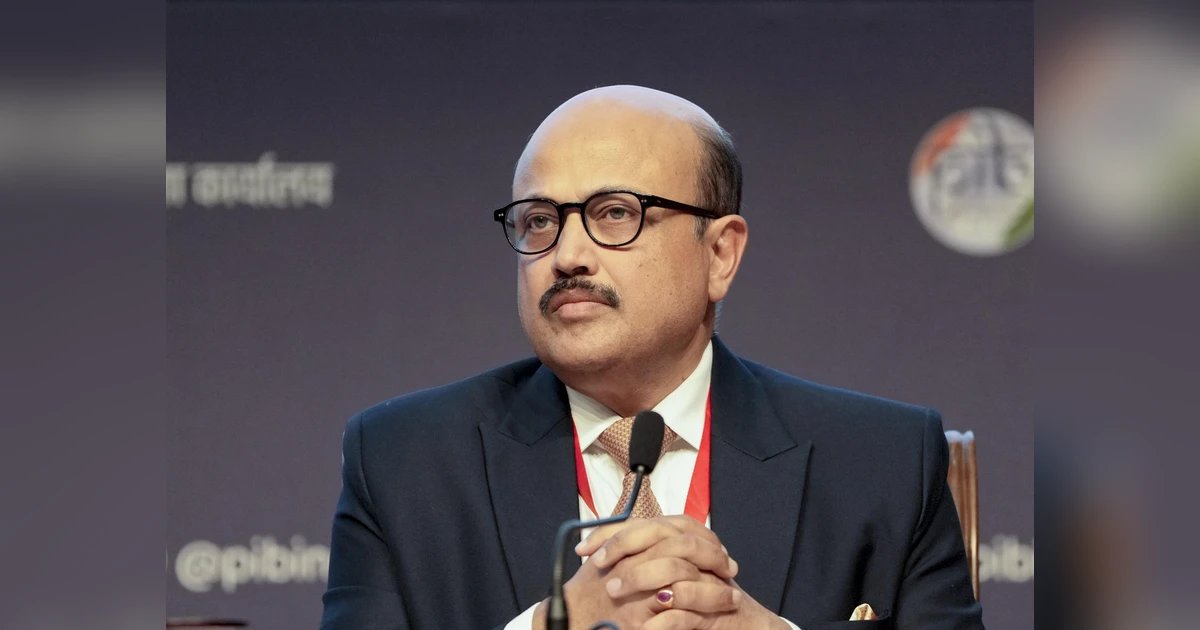
“We are opening a lot more in tier-3, tier-4 cities now, as opposed to what we used to do in the past. What we are seeing is, very clearly, the young customer in those markets is super clued onto what trends are playing out,” Trent Managing Director P Venkatesalu told reporters at the sidelines of the Retail Leadership Summit 2026 here.
He said that customers in these smaller cities and towns don’t have the same level of maturity as the metro markets at present but it may change over a period of next 2-3 years.
“We do bet in a very significant way that the customer will be more interesting,” he said.
The macro markets will be far more attractive in the years ahead, Venkatesalu said, adding, “but that’s the same approach that we took to metros, If you went back five years, in terms of densification, in terms of opening far more presence in individual micro-markets. So, we are doing the same thing, broadly speaking, in tie-3, tie-4 markets now,” he stated.
“A substantial portion now, maybe about two-thirds of our stores that we are increasingly opening is in new towns, new cities, new micro-markets within the periphery of cities. So, clearly, new micro-markets is a focus area for us,” Venkatesalu said.
According to him, post the GST implementation, shift over post 21st September, there was a certain period when there was a prioritization of the customer to big-ticket electronics, travel, among others.
“But that said, over the medium term, we do think small-ticket discretionary will also benefit from the changeover,” he said.
“As of today, he said, the initial blip that came through from a focus on high-ticket categories such as electronics and auto, which had significant GST drops I do think there was a bit of focus from the customers to that, which took away focus from small-ticket discretionary,” he said.
Having said that, the direction of GST is completely in the interest of consumers, the changes that have happened, and I do see that helping consumption gradually improve in the months and quarters ahead, he added.
Discover more from News Link360
Subscribe to get the latest posts sent to your email.