 1 / 10
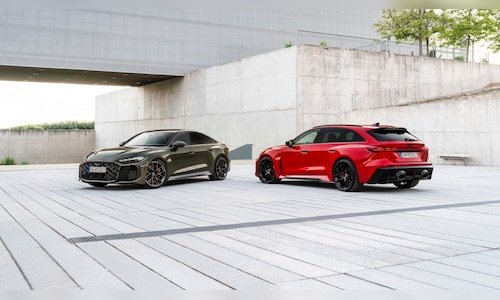
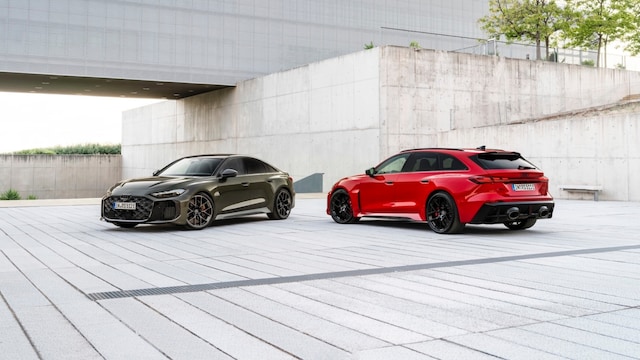
Global Debut: Audi has revealed the new-generation RS 5 in sedan and Avant body styles as part of a consolidated model line that replaces the outgoing RS4 Avant and earlier RS5 variants in global markets. The model introduces electrified performance to Audi Sport through a plug-in hybrid system, following similar moves by Mercedes-AMG and BMW M, marking a shift for the brand’s high-performance range.
 2 / 10
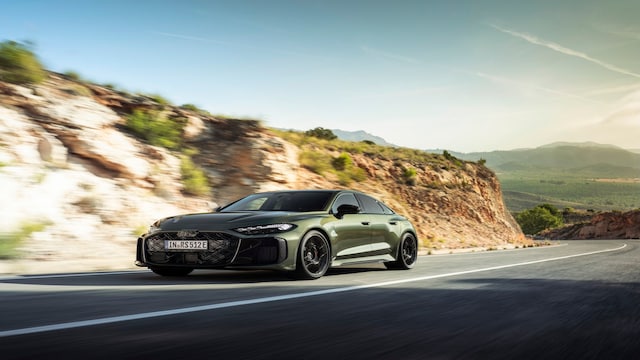
Hybrid Power: The Audi RS 5 uses a 2.9-litre twin-turbo V6 engine from the EA839 family, shared with Porsche, producing about 510 hp on its own. A 130 kW electric motor integrated with an eight-speed torque-converter automatic gearbox raises total output to about 630 hp and 825 Nm, substantially higher than the previous RS5 and RS4, establishing it as the most powerful iteration so far.
 3 / 10
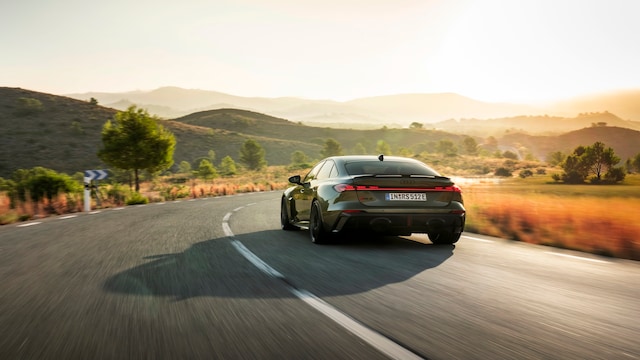
Performance Data: Audi states the RS 5 accelerates from 0 to 100 kmph in 3.6 seconds, quicker than the previous RS4 Avant despite added hybrid weight. With an optional performance package, top speed can reach about 285 kmph. The electric assistance improves throttle response and fills torque gaps from the combustion engine, delivering continuous acceleration across the rev range in both sedan and estate versions.
 4 / 10
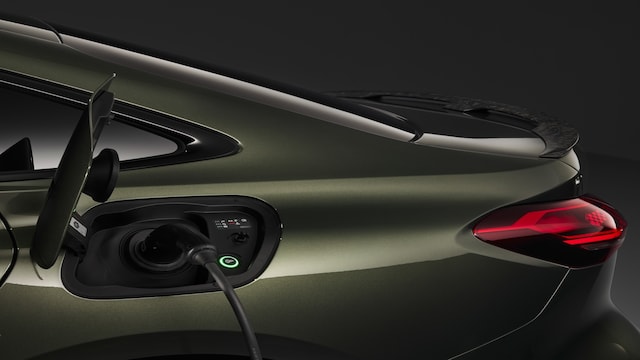
Battery Range: The plug-in hybrid system uses a 25.9 kWh battery with about 22 kWh usable capacity, enabling over 80 km of electric-only driving on a full charge under ideal conditions. Charging is supported via AC power at up to 11 kW. This allows short daily commutes without fuel use while offering reduced emissions compared with traditional high-performance petrol models.
 5 / 10
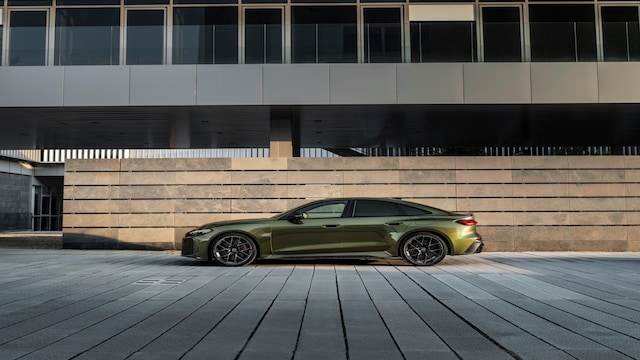
Weight Impact: Hybrid components add significant mass to the RS 5. The Avant reportedly weighs about 2,370 kg, roughly 550 kg more than before, while the sedan is about 15 kg lighter. Despite the increase, Audi says chassis tuning, adaptive dampers and suspension calibration maintain driving balance, allowing the car to switch between comfort for long journeys and sharper responses in sport settings.
 6 / 10
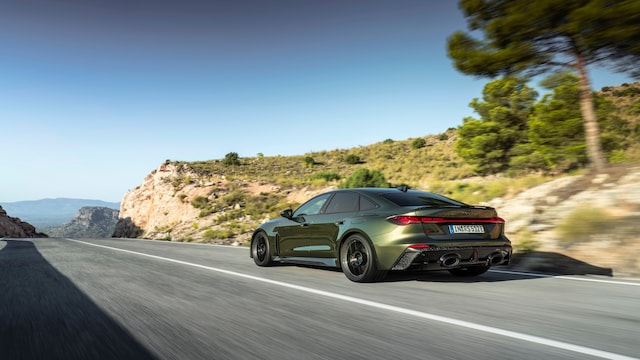
Quattro System: The RS 5 introduces a revised Quattro all-wheel-drive system with a limited-slip centre differential capable of sending up to 85 percent of torque to the rear or 70 percent to the front. A preload function keeps the differential partially locked for quicker response. At the rear, an electro-mechanical differential with Dynamic Torque Control adjusts left-right torque distribution within milliseconds.
 7 / 10
Chassis Tech: Additional mechanical changes include a stiffer structure than the standard A5, five-link suspension at both ends and a regenerative brake-by-wire system. Torque vectoring enhances cornering agility, traction during acceleration and stability under braking. The electric actuator in the rear differential can apply torque before mechanical distribution takes over, improving precision based on driver inputs and selected driving modes.
 8 / 10
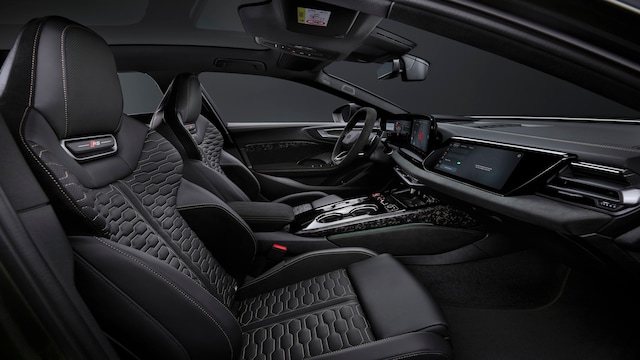
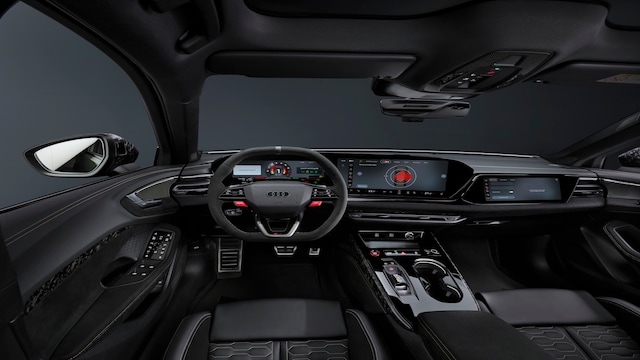
Interior Changes: Inside, Audi replaces capacitive steering controls with physical buttons and click-wheels following customer feedback. Screen graphics are revised for clarity while moving. RS-specific features include Dinamica trim, red cabin accents and standard heated, massaging, powered sports bucket seats, with ventilation optional. The digital display and central infotainment system provide performance data, navigation and connectivity functions.
 9 / 10
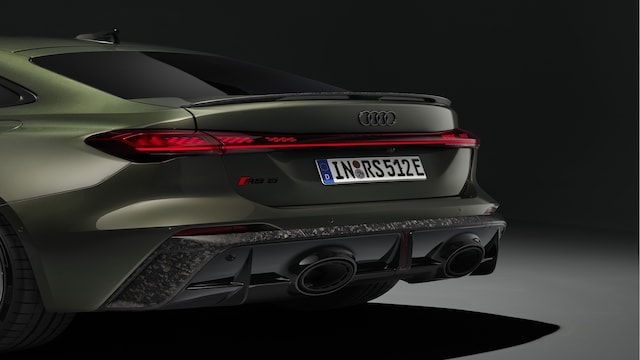
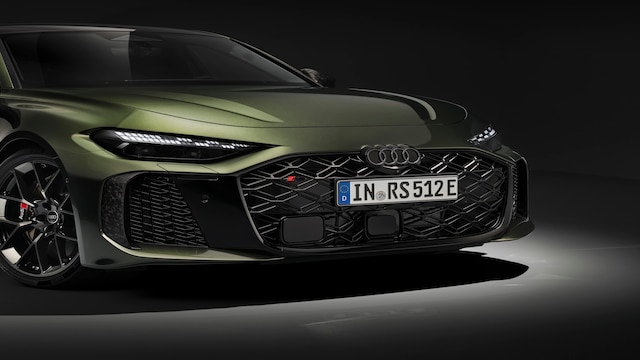
Exterior Design: The RS 5 adopts a wider stance with flared arches, a larger grille integrated with side air intakes, distinctive LED daytime running lights and oval exhaust outlets positioned close within the rear diffuser. Standard 20-inch wheels are offered with optional 21-inch units and carbon-ceramic brakes. The design signals performance credentials while retaining the practicality of sedan and estate body styles.
 10 / 10
Market Position: As Audi Sport’s first plug-in hybrid performance model, the RS 5 combines electrification with everyday usability, cargo capacity and family practicality, especially in Avant form. It competes in the performance estate segment while offering electric-only capability for short trips. The model represents a strategic shift toward hybrid high-performance vehicles without abandoning acceleration, speed or long-distance touring capability.
Discover more from News Link360
Subscribe to get the latest posts sent to your email.