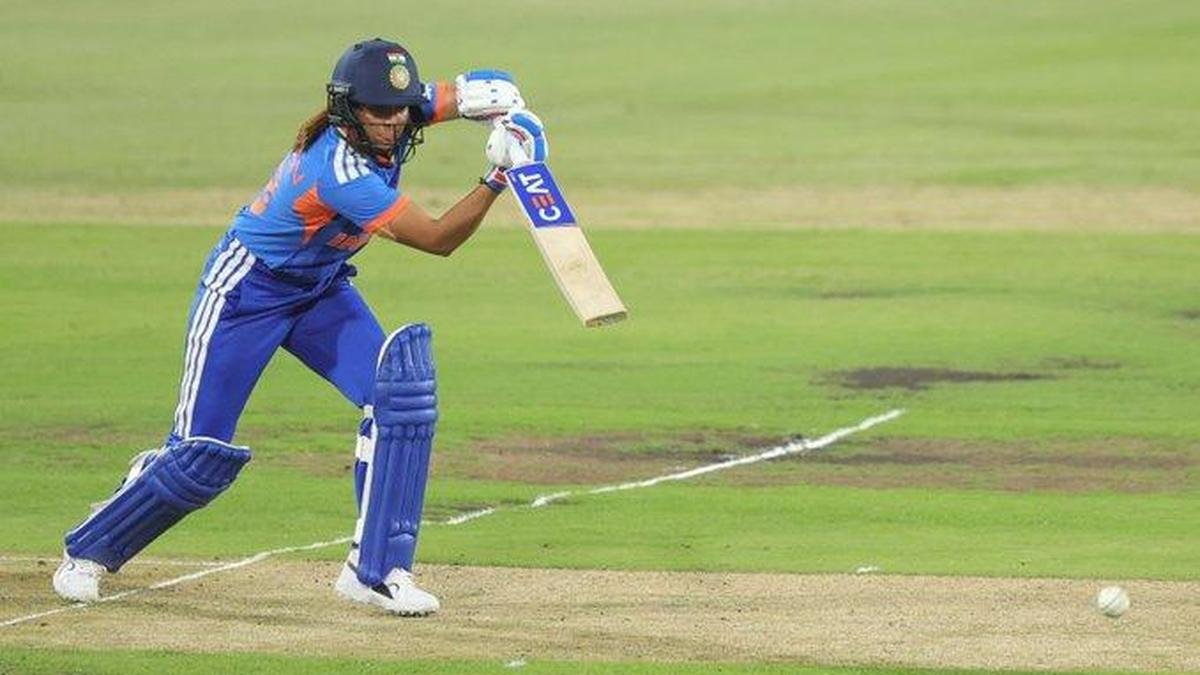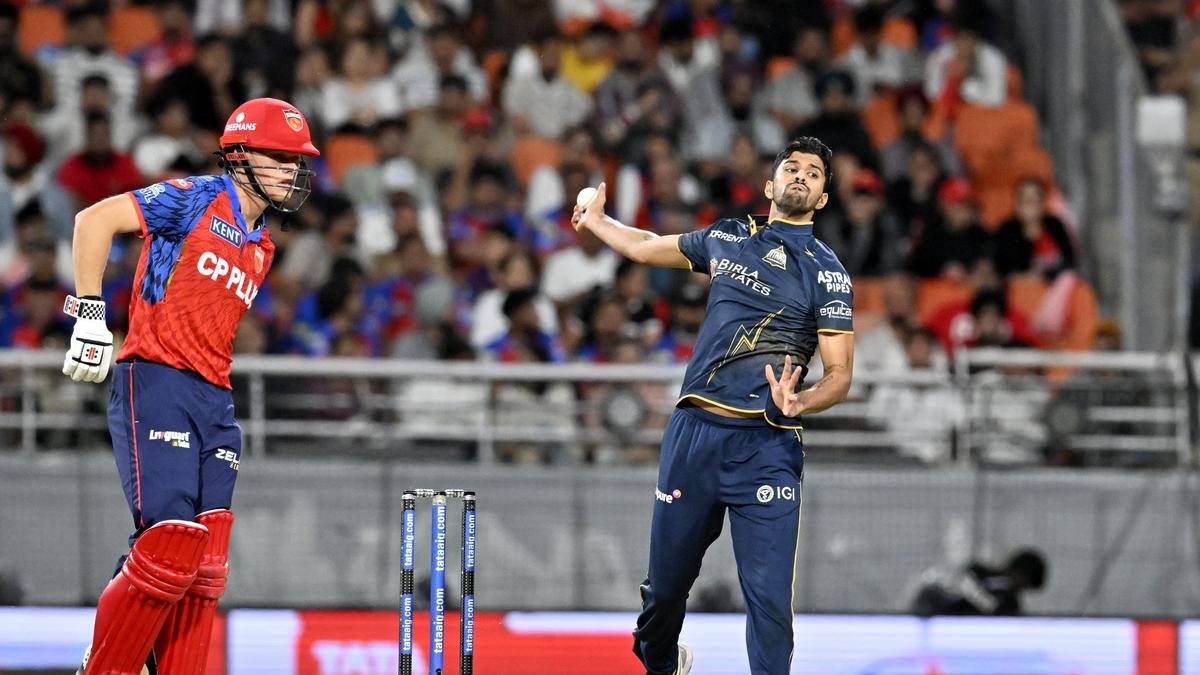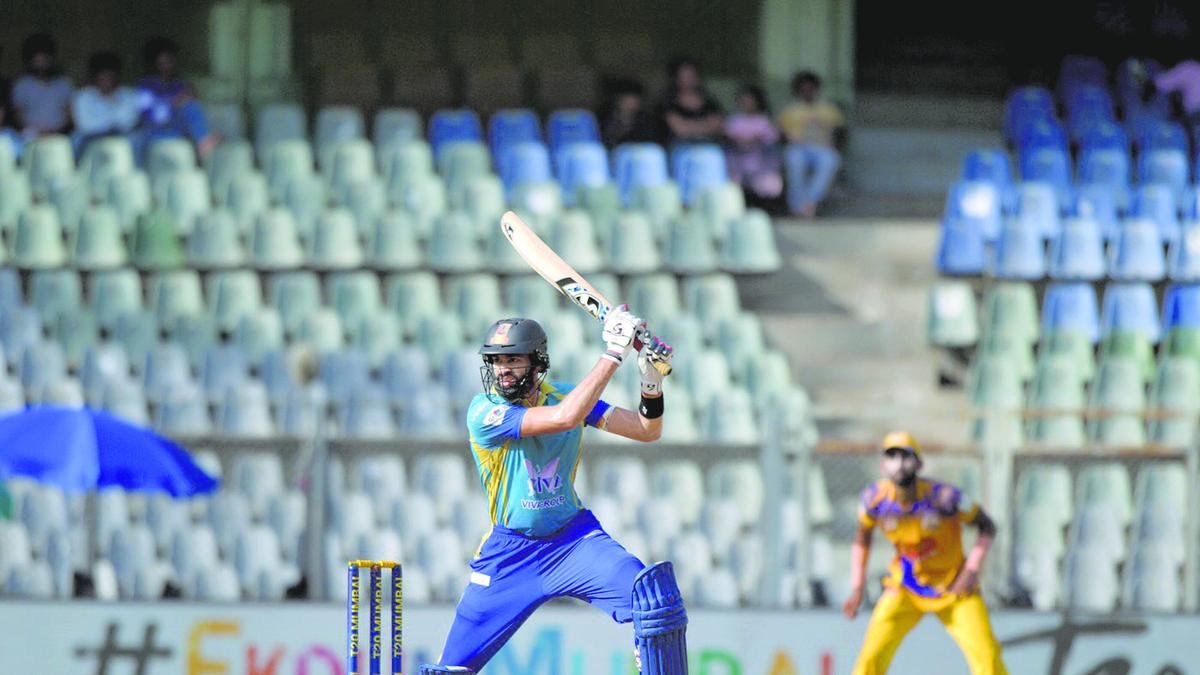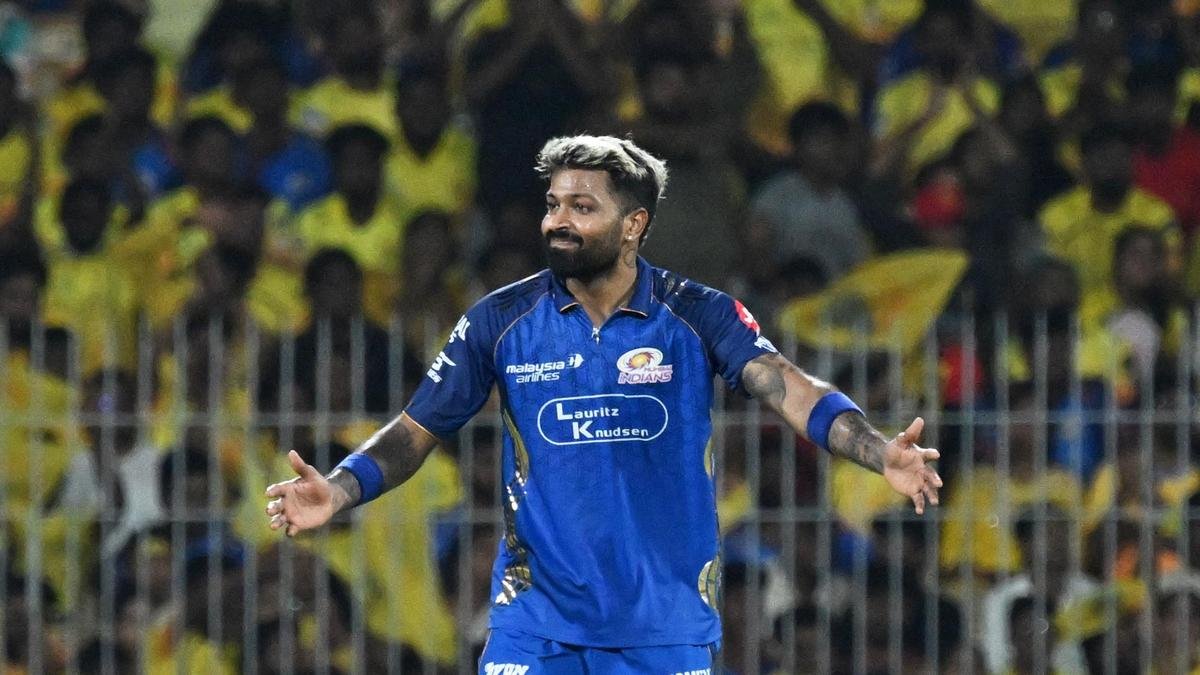
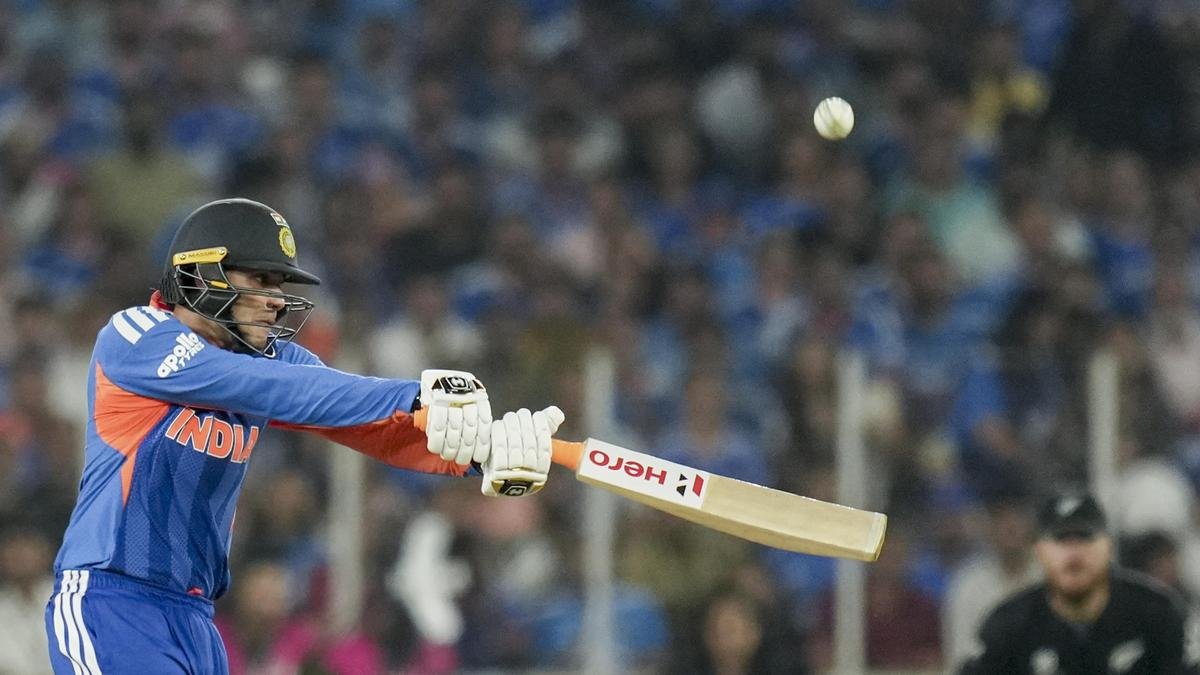
Spinners operating in the PowerPlay, a phase where quicker bowlers are generally preferred, was a huge tactical success in this T20 World Cup. They bowled a combined 186.2 overs during the field restrictions — the most ever in a single edition — picking up 56 wickets at an economy rate of 8.23. Finger spinners such as Aryan Dutt, Mujeeb Ur Rahman, Will Jacks and Akeal Hosein were particularly effective in keeping attacking opening combinations on a leash while also prising them out. This strategy even prompted India to alter its left-hander-heavy top three by slotting in the right-handed Sanju Samson.
Despite the increasing emphasis on power-hitting, the 2026 T20 World Cup also placed a high value on running between the wickets. The tournament logged 5,383 singles, twos and threes — the most registered in a single edition. At spin-friendly venues with large boundaries, such as those in Sri Lanka, middle-overs strike rotation was key, and even the most aggressive batting units, such as India and England, were attuned to this reality. They ran the hardest, picking up 461 and 436 ones, twos and threes respectively.
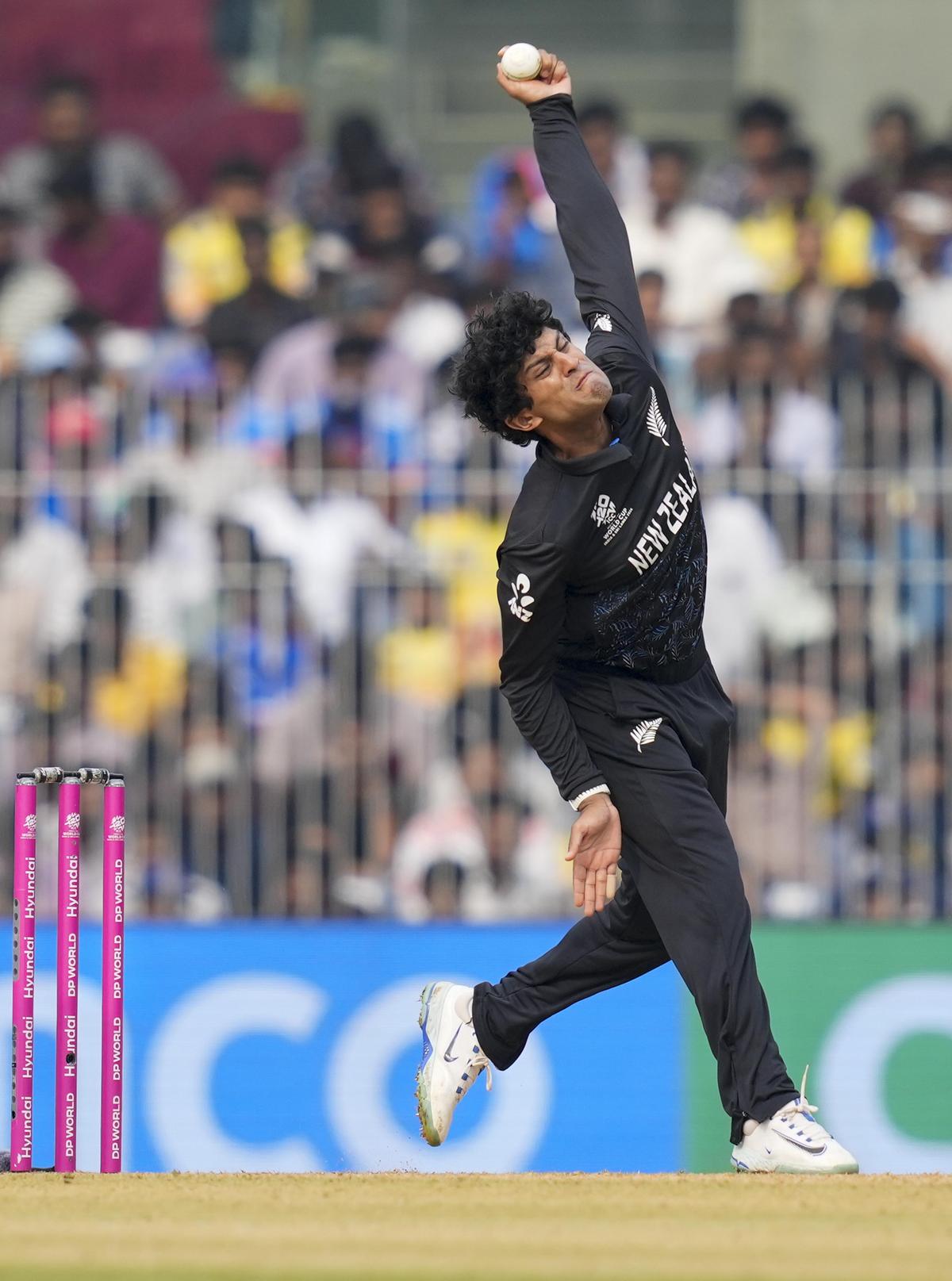
Strategic match-ups and spin-friendly conditions meant that part-time spinners were a big hit, making an impact beyond their primary roles. Rachin Ravindra had bowled only five overs in New Zealand’s group-stage campaign. Yet he emerged as a potent wicket-taking option in the Super Eights, picking up seven scalps in Colombo and three more in the final. Pakistan captain Salman Ali Agha’s part-time off-spin was employed only once, but his surprise introduction threw a curveball at the Indians when the marauding Abhishek Sharma fell in the first over of the high-stakes contest. South Africa skipper Aiden Markram also threw a spanner in the works by sending Ishan Kishan packing for a duck.
| Photo Credit:
PTI

Strategic match-ups and spin-friendly conditions meant that part-time spinners like Rachin Ravindra were a big hit, making an impact beyond their primary roles.
| Photo Credit:
PTI
South Africa, at the peak of its powers, found it hard to shake off the ‘chokers’ tag yet again. It was the only team that trumped the eventual champion, India, and barring a nervy double Super Over win against Afghanistan, looked in complete control until it ran into the Kiwis in the semifinal. South Africa seemed poised to clinch a maiden World Cup title until Murphy’s Law made an inauspicious visit at the Eden Gardens. ‘Anything that could go wrong went wrong’ as all the Protean hopes unravelled in a matter of hours. The top three batters were back in the hut inside the first eight overs, and a 170-run chase was reduced to dust by Finn Allen’s marauding 33-ball 100, leaving in its wake a band of distraught Saffers and a bitterly familiar aftertaste.
Despite being one of the most attacking teams in the lead-up to the tournament, Australia missed a semifinal berth for the third time in a row since claiming its maiden T20 World Cup crown in 2021. The absence of pace spearheads Pat Cummins and Josh Hazlewood hit the team the hardest, with the newer crop of quicks failing to make incisions in key contests and exposing the dire lack of depth in the country’s pace stocks. In their defeats to Zimbabwe and Sri Lanka, the Aussies could claim just four wickets across both games. The spectacular collective failure of Australia’s pantheon of hard-hitting all-rounders — Cameron Green, Glenn Maxwell and Marcus Stoinis — was decisive in the team’s group-stage exit.
Sri Lanka missed a golden opportunity to capitalise on home comforts and the tailwind provided by a clinical victory against the Aussies in the group stage. Ironically, the co-host was beaten at its own game as it capitulated in spin-friendly conditions, with heavy defeats against England and New Zealand spelling doom for its Super Eights campaign. The troika of Will Jacks, Adil Rashid and Liam Dawson spun Sri Lanka out for 95 in Kandy, while Rachin Ravindra, Mitchell Santner and Glenn Phillips restricted it to 107 in Colombo. Sri Lankan batters ended their campaign with the worst average (24.26) and run rate (6.69) against spin in the middle overs among Full Member participants in the tournament.
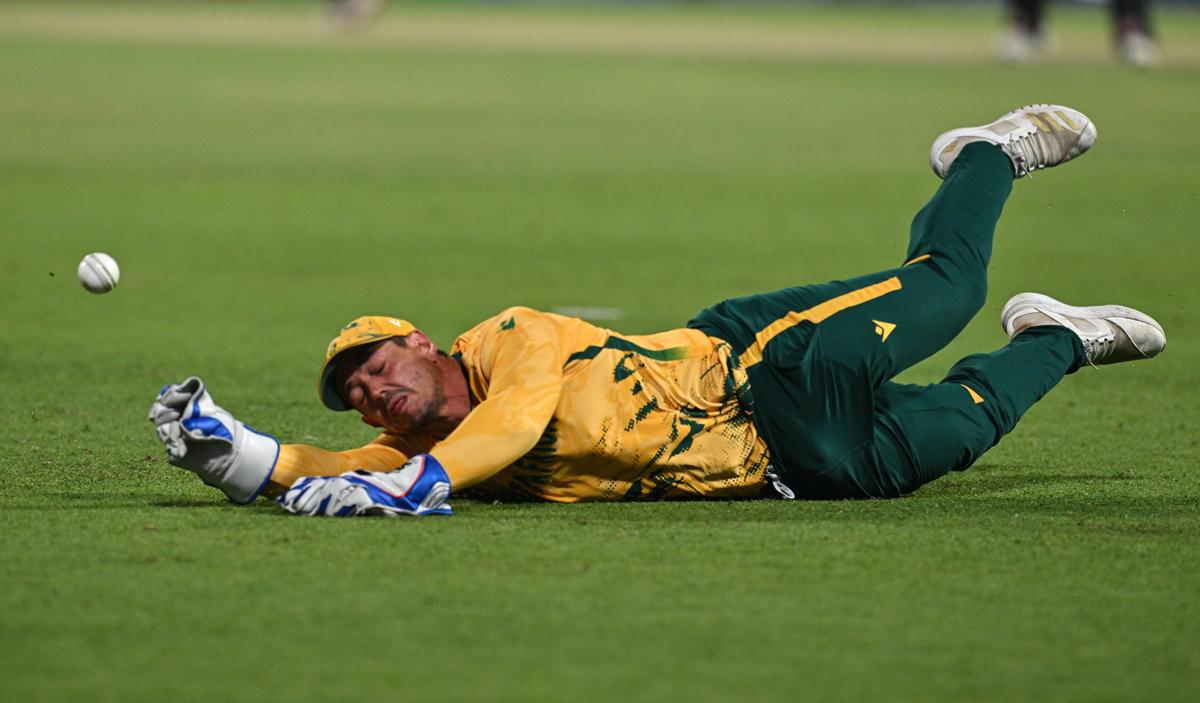
India leads the list of dropped catches with 16, followed by Ireland, Sri Lanka, and South Africa with 10 each.
| Photo Credit:
K.R. DEEPAK
India leads the list of dropped catches with 16, followed by Ireland, Sri Lanka, and South Africa with 10 each.
| Photo Credit:
K.R. DEEPAK
The oft-quoted ‘catches win matches’ phrase would have rung loudly in England skipper Harry Brook’s ears after he dropped a dolly at mid-on to give Sanju Samson a lifeline on 15. Samson went on to plunder 89 in a semifinal that India eventually won by just seven runs. But Brook wouldn’t be the only one rueing a missed opportunity. Despite the overall level of fitness and athleticism in the game being higher than ever, this T20 World Cup witnessed the most dropped catches in a single edition of the tournament. As many as 126 opportunities were missed, with champion India’s 16 dropped catches leading the list of ignominy, followed by Ireland, Sri Lanka and South Africa (10 each).
Published on Mar 10, 2026
Discover more from News Link360
Subscribe to get the latest posts sent to your email.