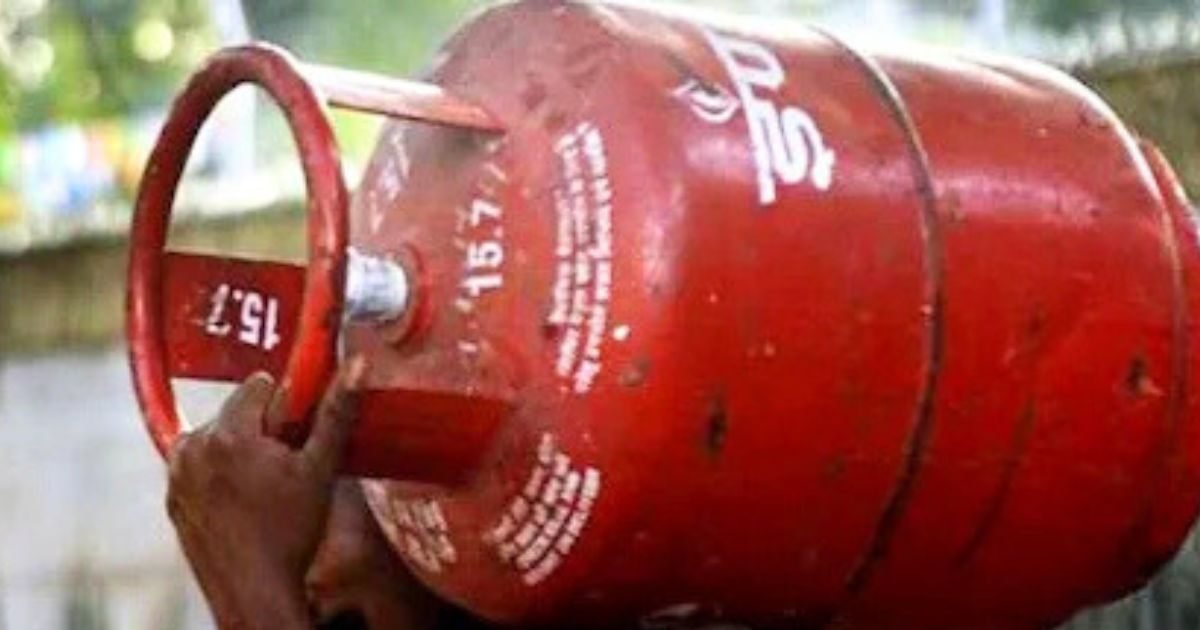
Gas in LPG cylinder: Domestic LPG cylinder contains 14.2 kg of gas. But why only 14.2 kg? Why not the full 14 or 15 kg? Know the whole story behind this weight…
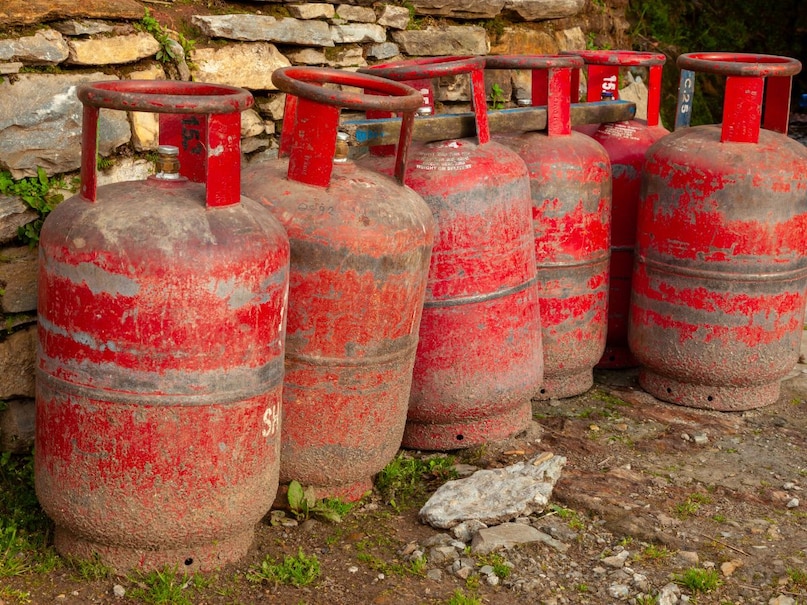
Have you ever had a question in your mind that why the LPG cylinder used at home is always filled with 14.2 kg of gas? Why isn’t it a simple number like 14 kg or 15 kg? This number certainly seems a bit strange when seen for the first time, but believe me, there is a very intelligent planning behind it, which is decades old, which was made for our benefit.
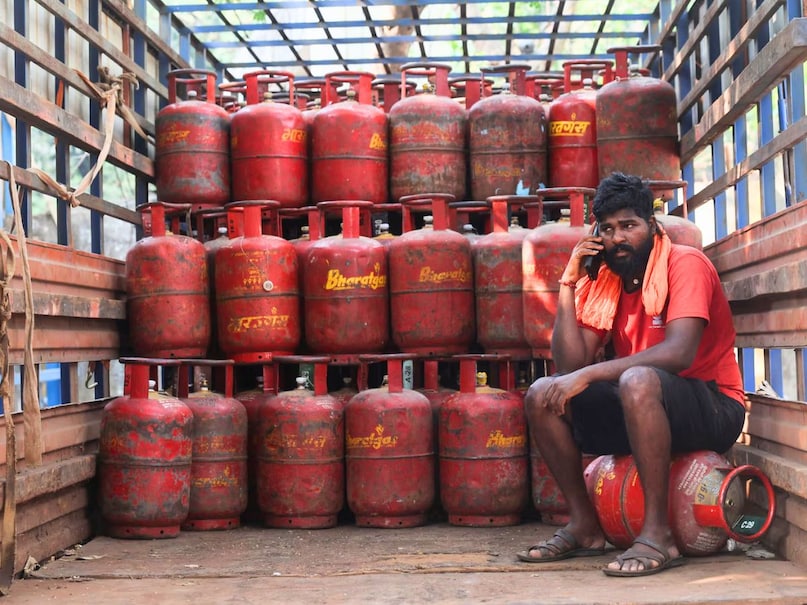
Actually, this weight of 14.2 kg was not a compulsion that could not be changed. This decision was taken very thoughtfully, so that it is easy for the common man to use the cylinder, it is not heavy on the pocket and the security is also complete. With time, this quantity became so accurate that it was accepted as a firm standard and we are following it even today. (Image – Reuters)
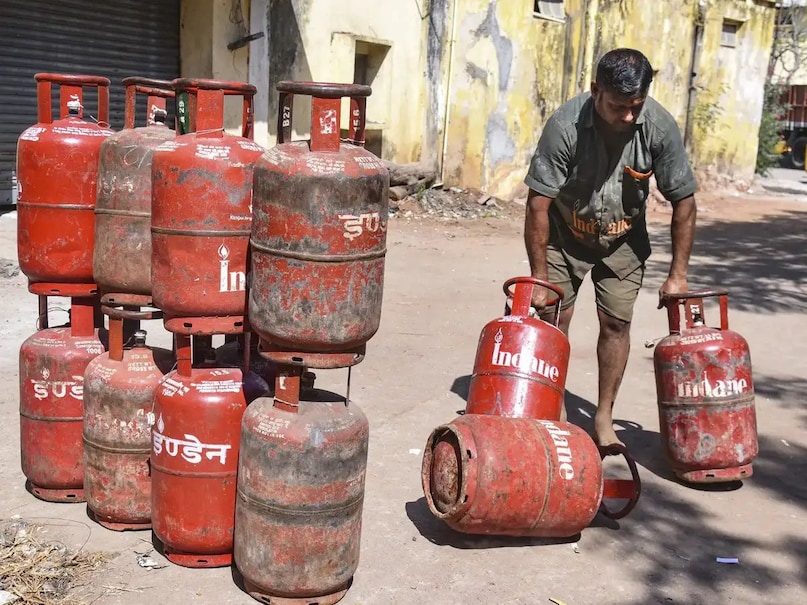
The trend of domestic LPG in India started in the last years of the 1950s. At that time, a foreign company named Burmah Shell used to supply gas. This company was the first to decide on this special size and weight of the cylinder. Later this company changed to become Bharat Petroleum (BPCL), but the size of the cylinder which they had decided then, is still running the same.
Add News18 as
Preferred Source on Google
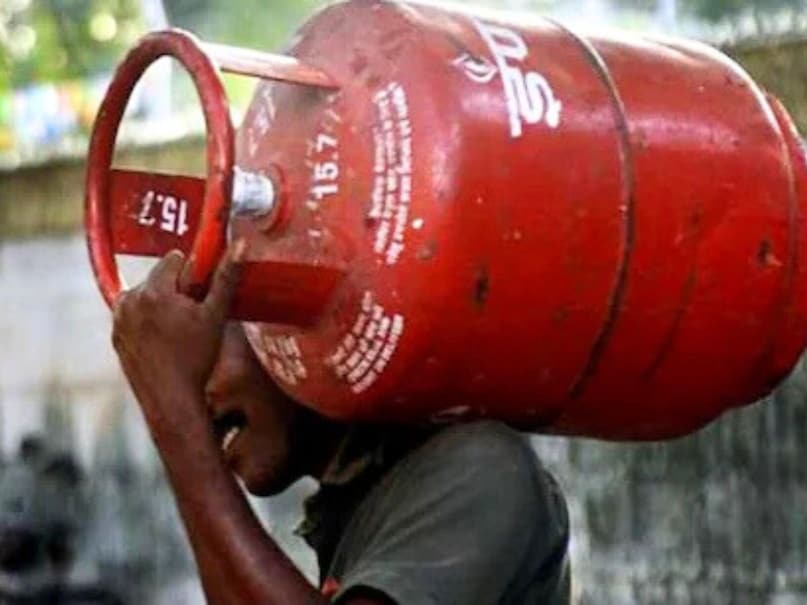
At that time, Burma Shell Company had chosen this magic number of 14.2 kg keeping three important things in mind. The first and most important thing was ease of lifting and carrying. When the cylinder is filled with 14.2 kg of gas, its total weight including the empty iron tank reaches around 29 to 30 kg. According to the survey of that time, an average Indian person could easily lift this much weight and keep it here and there. If the weight had been more than 30 kg, movement of the cylinder would have become a bit difficult.
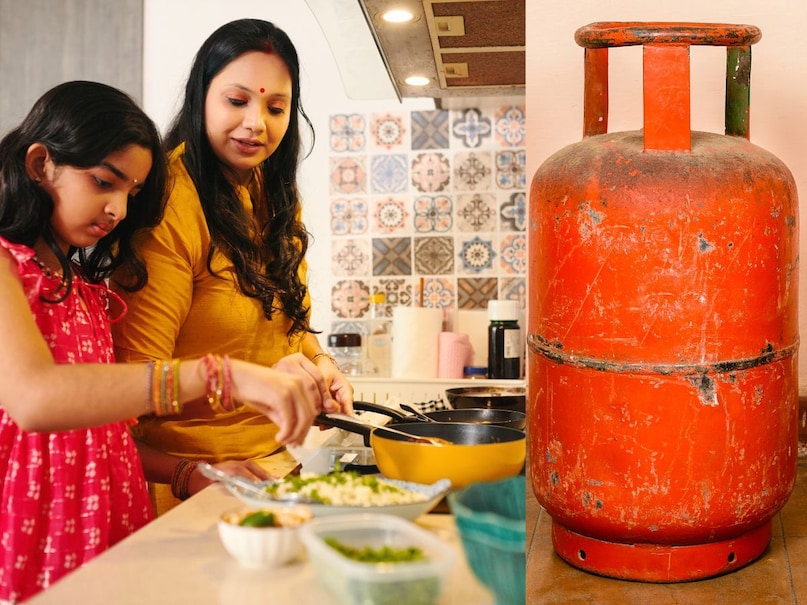
The second big reason was the realization of the need of a family. At that time, experts calculated how much gas would be spent to cook food for a month in a middle class family. In research, it was found that around 14 kg of gas comfortably lasts for about 30 to 45 days for a normal family. That means, once the cylinder arrives, there is a month’s leisure.
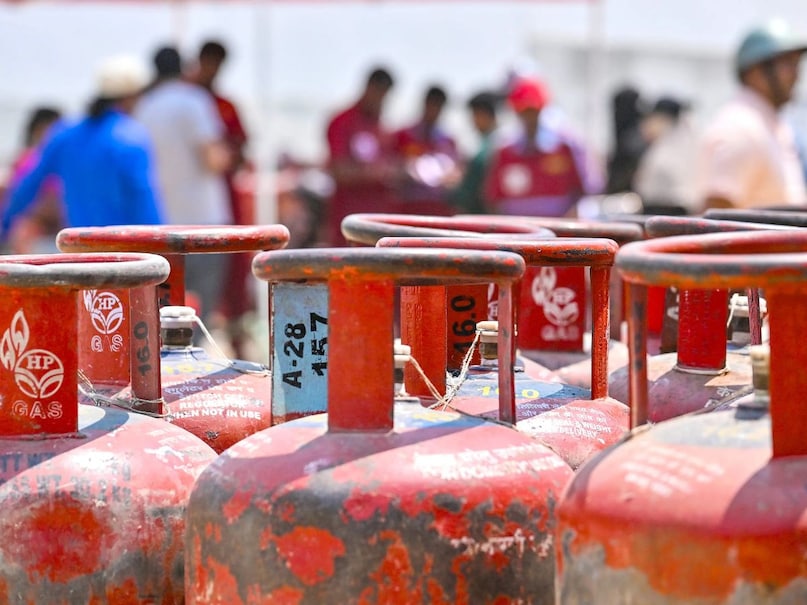
Accordingly, it became easier for the customers also that they had to book a new cylinder every month or one and a half months. Also, the delivery work became easier for the gas companies, because they knew after how many days which house would require the cylinder. This method of supply was so successful that this model still fits perfectly today, many decades later.
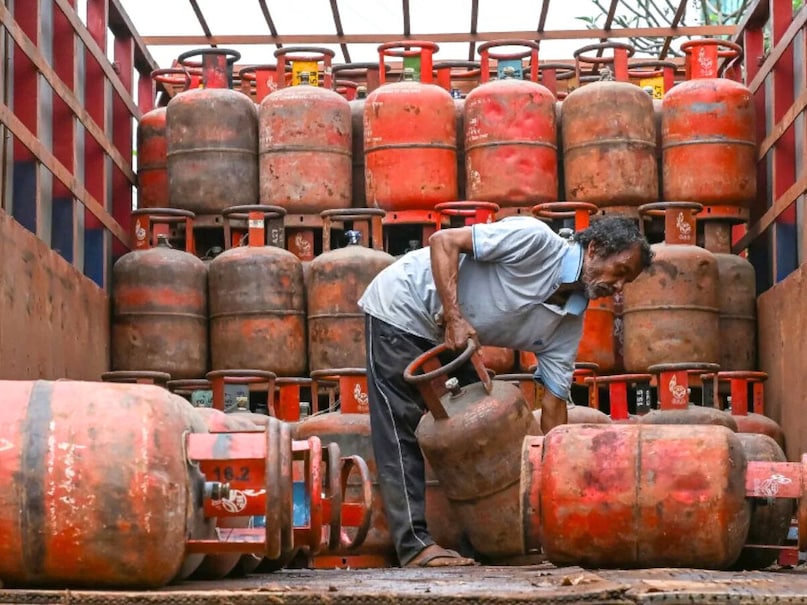
The third and most important reason was technical. This was related to the safety and strength of the cylinder. We know that gas is filled inside the LPG cylinder with very high pressure. To withstand this pressure of gas, the walls of the iron tank are made of a specific thickness. If an attempt was made to fill more than 14.2 kg of gas in it, the risk of the cylinder bursting would increase or it would have to be made very thick and heavy.
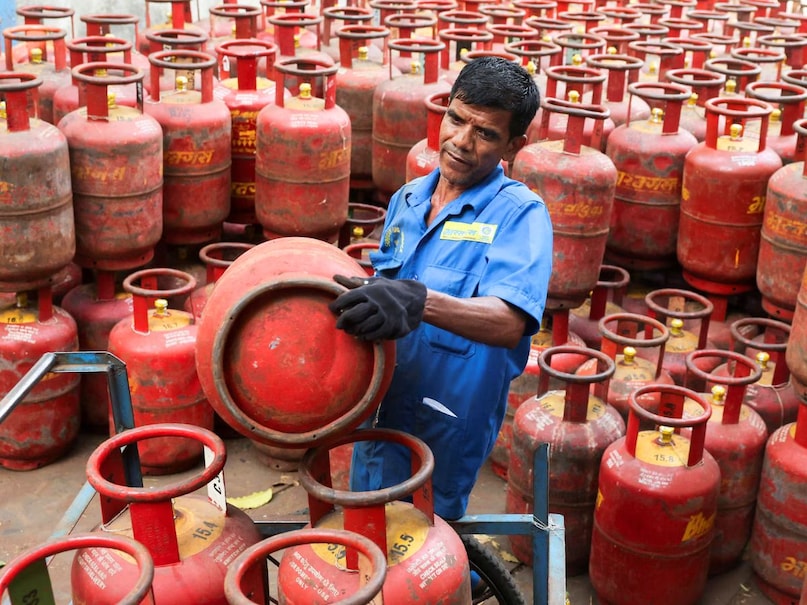
If the cylinder was made stronger and heavier, the cost of making it would increase and it would also become very difficult to deliver it to the home. According to the engineering and technology of that time, 14.2 kg was the safest and correct quantity, which could be easily managed. It had the perfect balance of security and savings. (Image – Reuters)
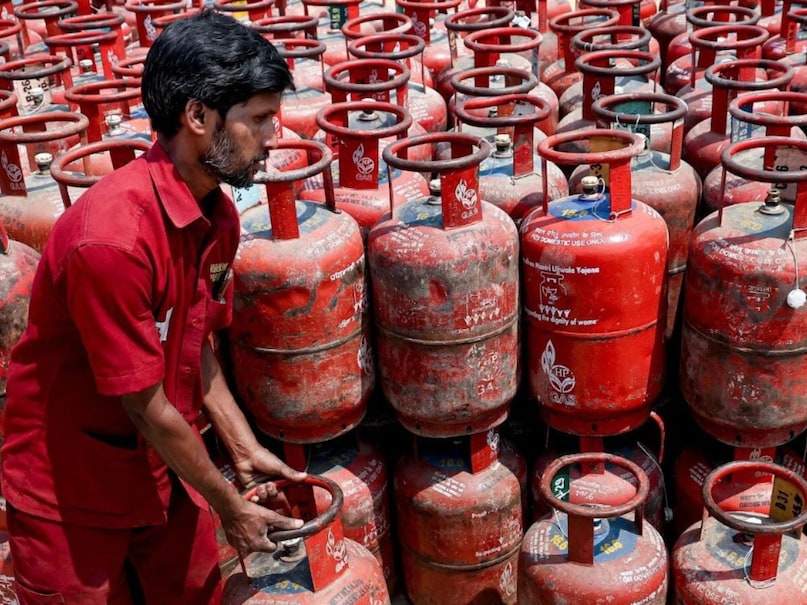
Now if we understand a little more deeply, LPG is not a single gas. It is actually a mixture of two gases propane and butane. The weight and density of both these gases are different. Their ratio also varies slightly depending on the season, so that the gas pressure remains correct.
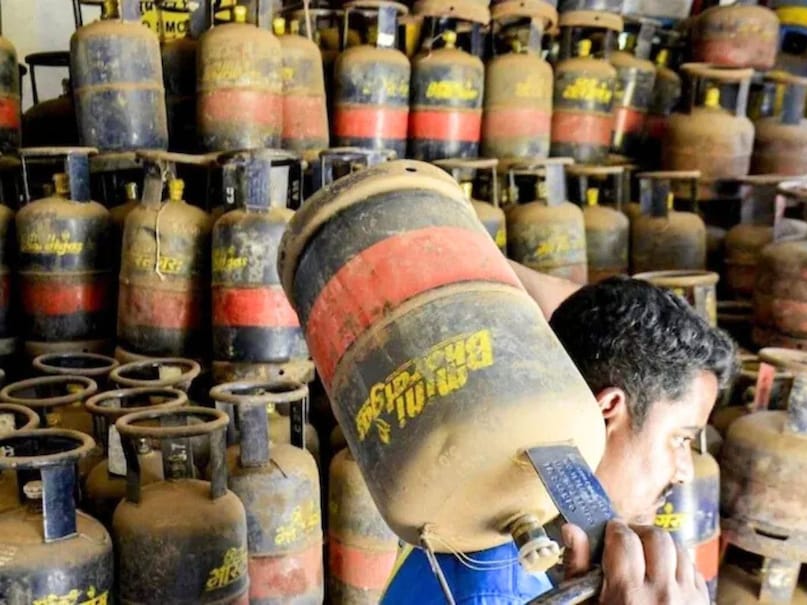
When the engineers of that era did calculations keeping in mind the empty space inside the cylinder, the ability to expand the gas and the strength to withstand pressure, the most accurate and safe number that came out was 14.2 kg. So now you must have understood that this number is not just a coincidence, but it was necessary due to years of engineering, mathematics and our convenience.
Discover more from News Link360
Subscribe to get the latest posts sent to your email.