For the first time in Indian Premier League history, a franchise crossed the $1bn mark as a consortium backed by Kal Somani and Rob Walton agreed to buy the Rajasthan Royals for $1.63bn.
The record barely lasted hours.
Another consortium featuring David Blitzer, Bolt Ventures and Blackstone snapped up reigning champion Royal Challengers Bengaluru for $1.78bn, resetting the benchmark almost instantly.
These are astronomical numbers when examined in the background of IPL’s origin stories.
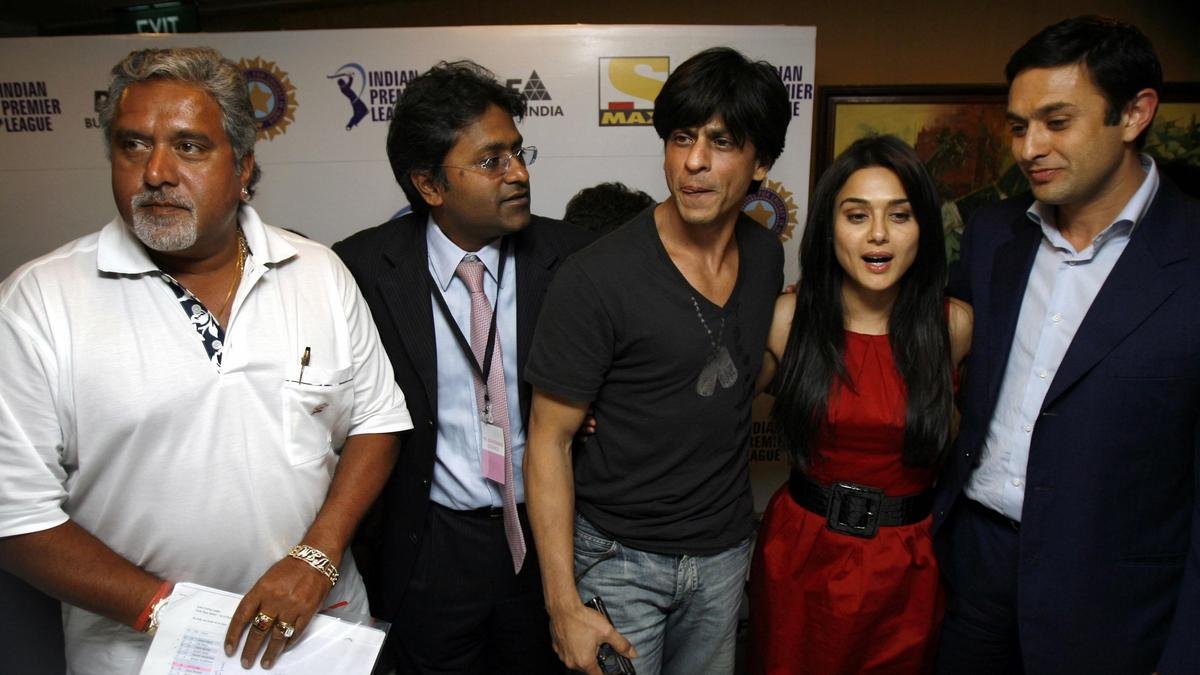
On January 24, 2008, at the Cricket Centre in Mumbai, the IPL quietly changed the business of sport in India.
Eight teams. A room full of bidders. And a dollar pegged at just Rs. 40.
What now feels like a billion-dollar ecosystem began with numbers that, in hindsight, look almost unreal.
Mukesh Ambani’s Mumbai franchise went for $111.9 million (roughly Rs. 448 crore back then).
Shah Rukh Khan’s Kolkata team? $75.09 million.
The Chennai franchise? Just $91 million.
Today, a single season’s media rights can dwarf those figures. But here’s the real question: Were these visionary bets… or conservative calls in a market that didn’t yet grasp its own future?
Because if you adjust for inflation, media boom, and cricket’s digital explosion, these bids weren’t just investments. They were early access to India’s biggest sporting goldmine. Scroll through the original bid sheet and you’ll notice something else. Some cities drew fierce competition. Others barely sparked interest. The IPL wasn’t inevitable. It was built on a few people willing to believe cricket could be bigger than the game itself. And at Rs. 40 to a dollar, it was a bargain.
Published on Mar 26, 2026
Discover more from News Link360
Subscribe to get the latest posts sent to your email.