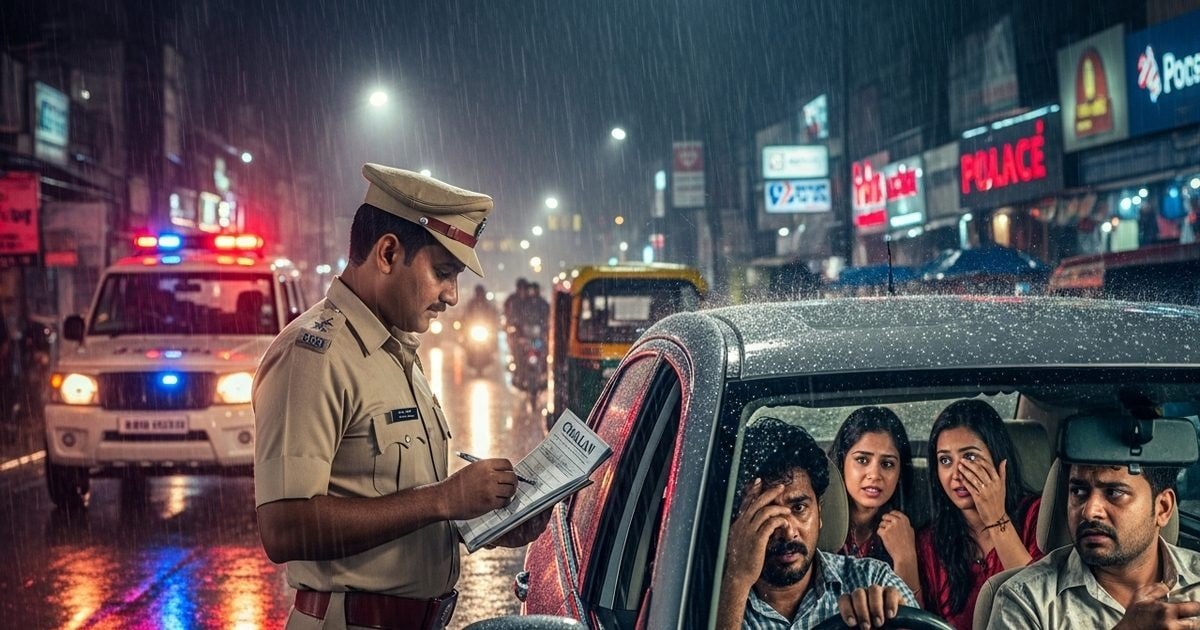
Now, can your challan be deducted because of a drunk passenger sitting in the car? This claim, viral on social media, has increased the tension of drivers. What is the truth according to the Motor Vehicle Act and traffic rules? Know when the driver can be held responsible and under what circumstances you may have to pay a heavy fine.
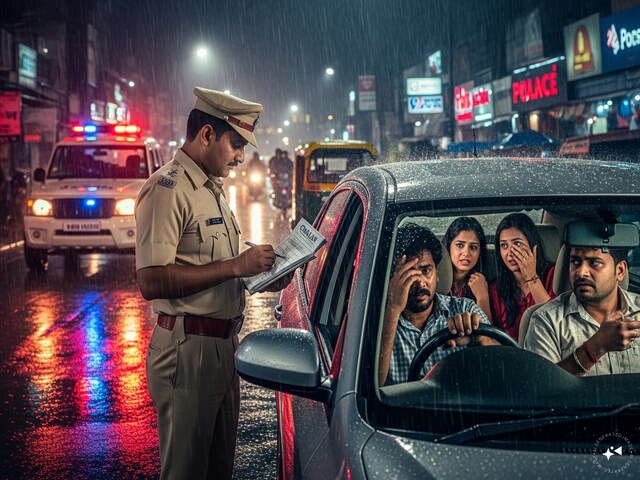

If a passenger is found drunk while driving a car, a challan may be issued.
Strictness in traffic rules is being increased to prevent accidents on the road and promote responsible driving. Recently, an Instagram reel that went viral has claimed that under Bye-law 12 of Road Safety, if you are driving and the passenger sitting behind or beside you is drunk, then the driver can be issued a challan. This rule further increases the responsibility of the driver, because an intoxicated passenger can affect the control of the vehicle.
The Central Motor Vehicles Rules, 1989 and Section 185 of the Motor Vehicles Act 1988 primarily apply to drunk driving. In this, if more than 30 mg per 100 ml of alcohol is found in the blood for the first time, there can be a fine of Rs 10,000 or jail up to 6 months, or both.
For repeat offence, there is a provision of fine of Rs 15,000 or imprisonment for up to 2 years. But in the claim related to ‘Bylaw 12’, which is popular on social media, it is being said that not only should the driver himself stay away from intoxication, but he should also not carry an intoxicated passenger in the car.
Passenger can disturb the driver
According to traffic experts, if passengers are drunk, they can distract the driver. May cause sudden movements or interfere with vehicle control. In some states, the traffic police holds the driver responsible in such cases under Section 177 or 184, because the driver’s duty is to ensure safe travel.
View this post on Instagram
Discover more from News Link360
Subscribe to get the latest posts sent to your email.