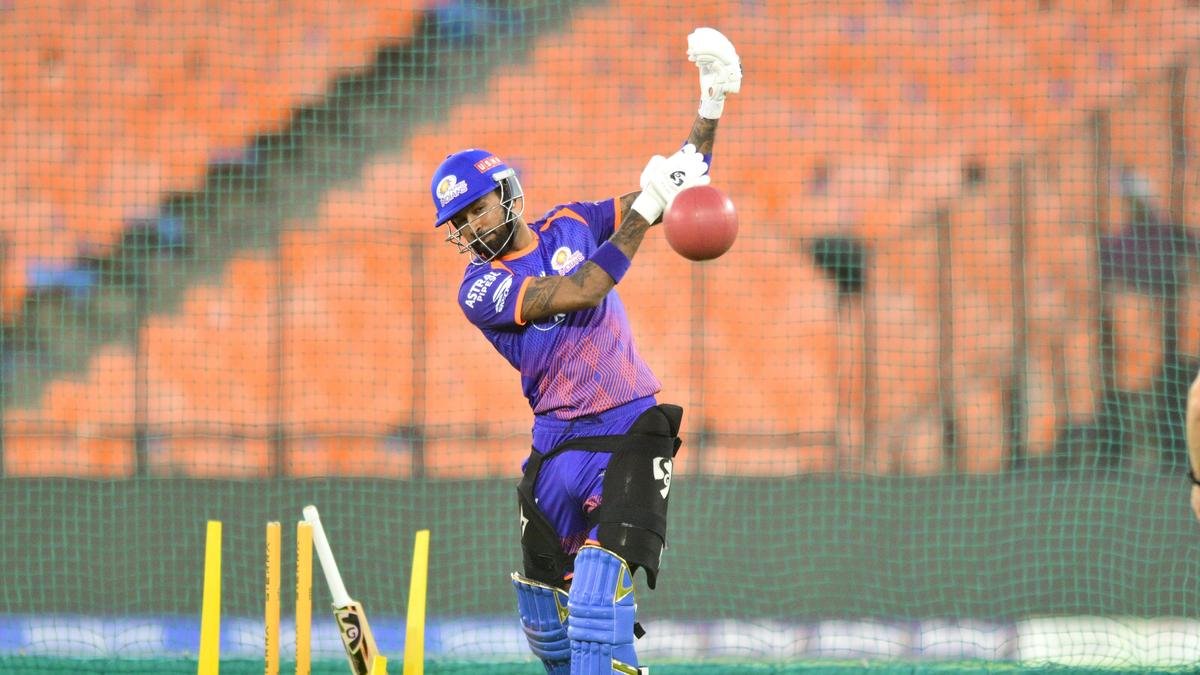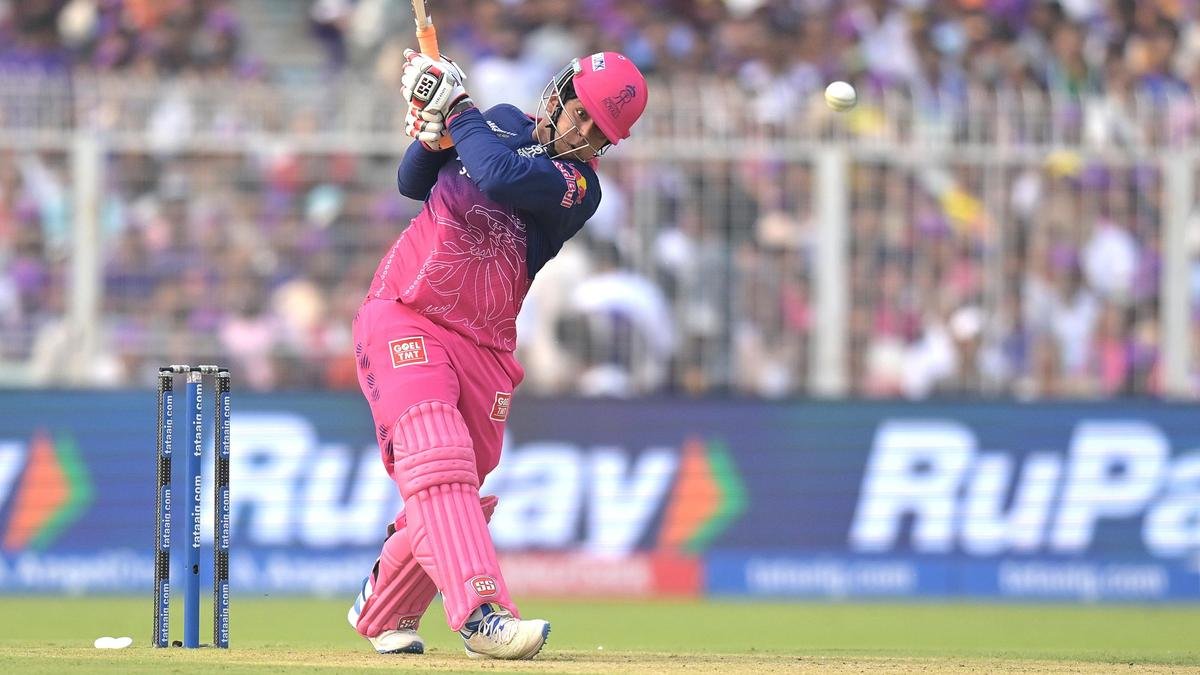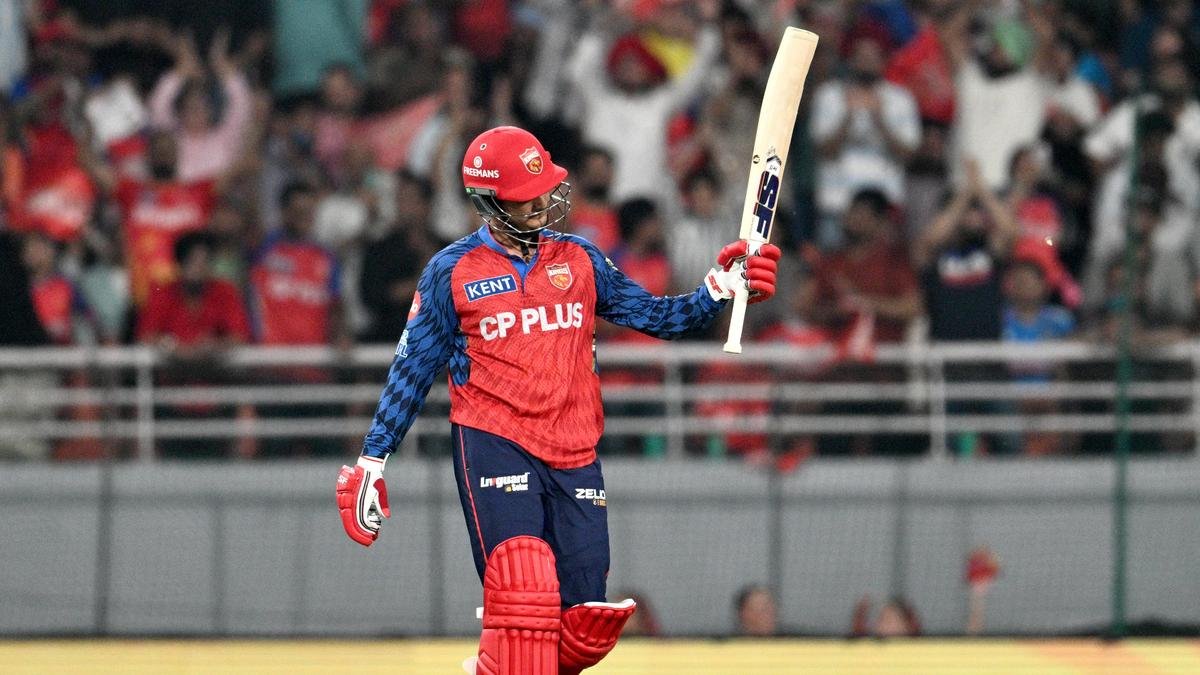
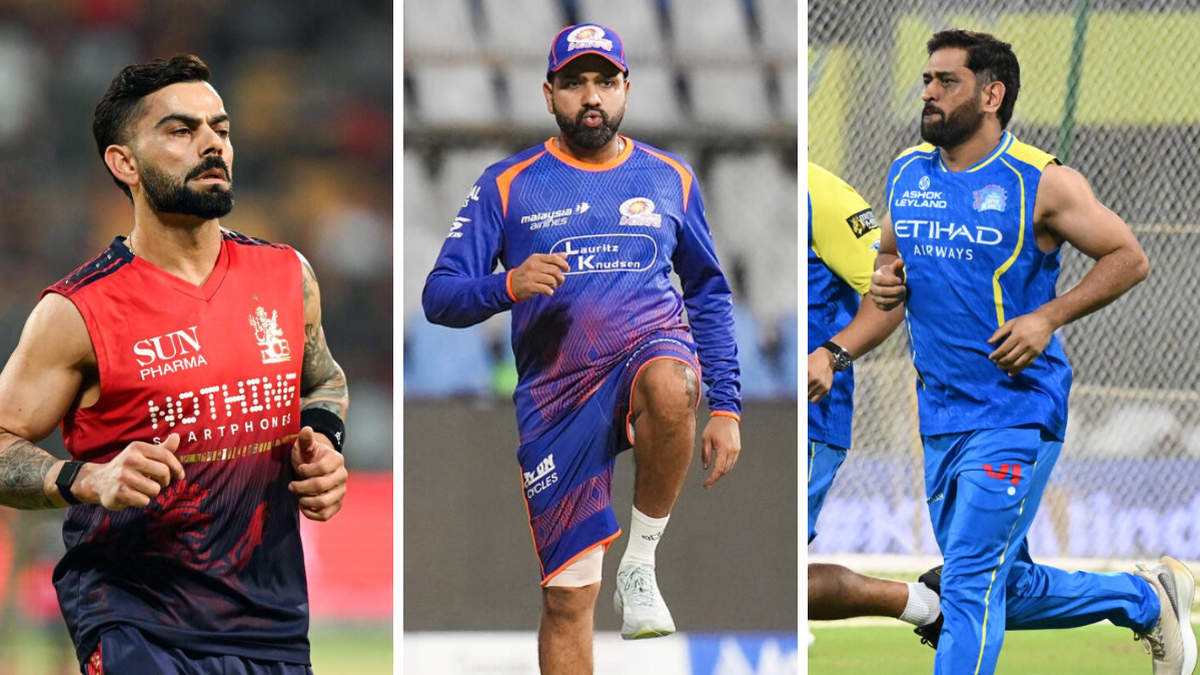
Rohit is not the only one facing time on the sidelines. The seemingly untiring Virat Kohli was forced to play as an Impact Player in Royal Challengers Bengaluru’s match against Lucknow Super Giants, while M.S. Dhoni – the famed lynchpin of Chennai Super Kings’ middle-order – has missed the side’s first five matches of the season.
The stalwarts of a generation of the IPL are now being confronted with the realities of playing the tournament while not riding the conveyor belt of international cricket year-round.
According to Ramji Srinivasan, former India and Mumbai Indians strength and conditioning coach, the physical challenge of the IPL is primarily about rest and recovery. “The challenge is more on recovery than the fitness aspect,” he told Sportstar. “The fitness aspect is more about tiring and traveling from one place to another.
| Photo Credit:
K. Murali Kumar

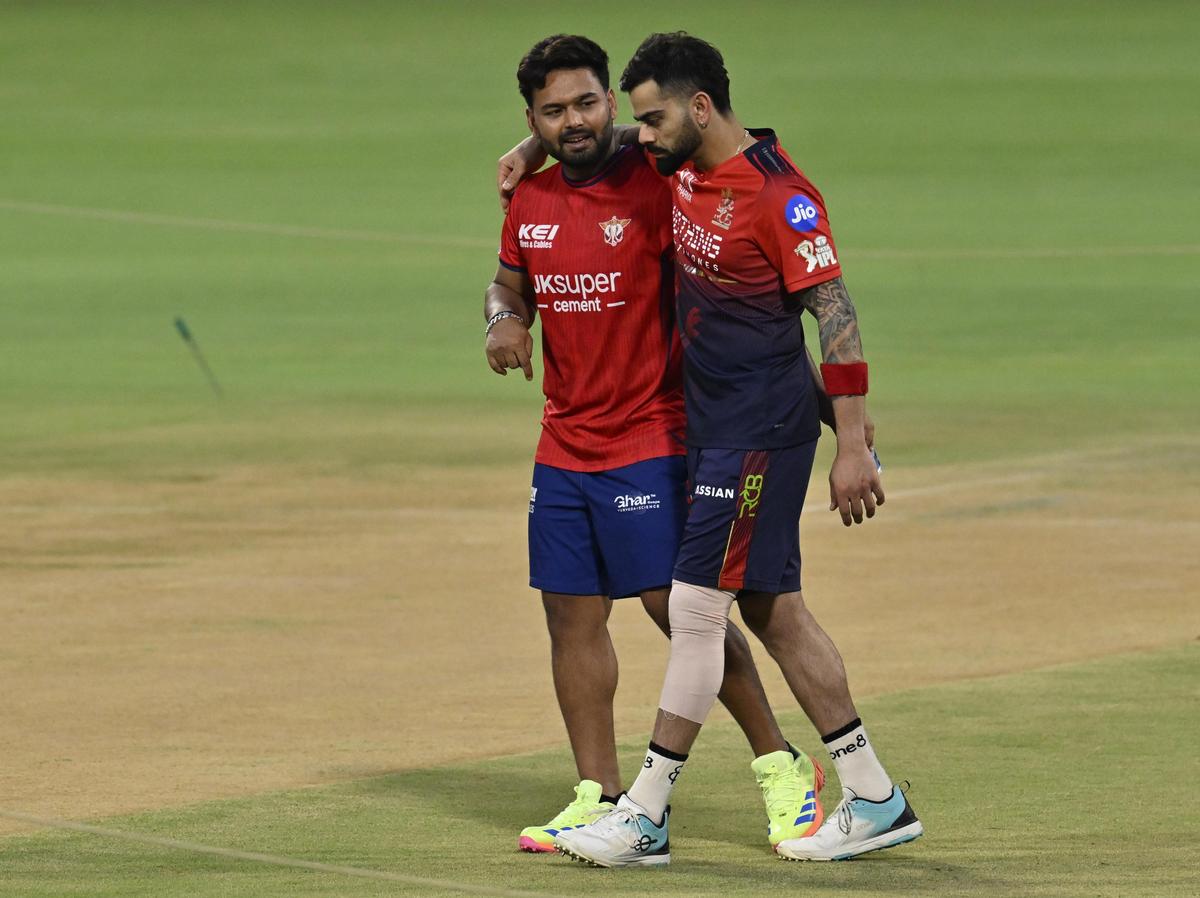
Virat Kohli played as an Impact Player due to a kneeinjury during RCB’s match against LSG.
| Photo Credit:
K. Murali Kumar
“The matches finish by 11:00-11:30PM, by the time they start from the ground, it will be around 12.30-1:00AM. The next morning, if they have to travel again, everything changes again. It’s about how you manage your body with proper recovery and nutrition,” Srinivasan said.
The challenge of dealing with a hectic schedule is one that becomes tougher with age. “After 30 and beyond, the body starts to slow down physiologically. It is natural. So, what they need to do is train smart rather than train hard,” Srinivasan said.
According to Srinivasan, age does have some benefit to doing so. “By this time you know your body better, when you need to push, when you need to pull yourself back, when you need to recover, what type of recovery you need to adhere to.
“What you are adhering to when you are in your 20s and early 30s may not be as pertinent now, you know. Your body is changing every year, and you need to adapt to a particular stimulus,” he explained.
“You need to be very specialised according to the individual. What suits Virat will not suit Rohit or MS. So, it has to be highly bespoke, just because it is successful with one player need not be successful with any other players.”Ramji Srinivasan
Srinivasan suggested a focus on cognitive and neuromuscular training, an approach he likens to that of a Formula One driver, which focuses on training the cognitive skills of the player.
“It’s all about the neural training pathway because cognition is what your eye perceives, and how your body reacts. For example, you see a ball trajectory coming in, how your body reacts to that particular impulse. It can be reactive or it can be proactive.
“You focus on how you train those muscle groups, the smaller and the finer muscle rather than the gross muscles. That is how you get precision, and they are the thing which loses the neural response in the long run if you don’t train them.”
An inevitable part of aging as a player is the arrival of injuries, as the likes of Rohit and Kohli are experiencing now. While niggles are unavoidable for top-level athletes, the focus, Srinivasan said, should be on being proactive about identifying the underlying causes and treating them quickly.
“The idea is that preventive medicine is better than curative, and if you cannot prevent it, your curative measure has to be quicker,” he said.
“Any sportsperson will have niggles, but you have to identify the contributing factors. When you are doing.your assessment and screening you will know there are probabilities, especially as you get older. So if it is a hamstring injury, why has it happened, is it because of dehydration, or because of lack of fitness, or because of overstretching?”
He also emphasised that there is no one-size-fits-all approach. The training methodology for players like Kohli or Rohit, who have recently stepped off the Test and T20I bandwagons but still play a single format, will have a different approach to a player like Dhoni, for whom IPL is the only remaining form of professional cricket.
Rohit Sharma suffered an injury to his left hamstring that ruled him out of the match against PBKS.
| Photo Credit:
Emmanual Yogini
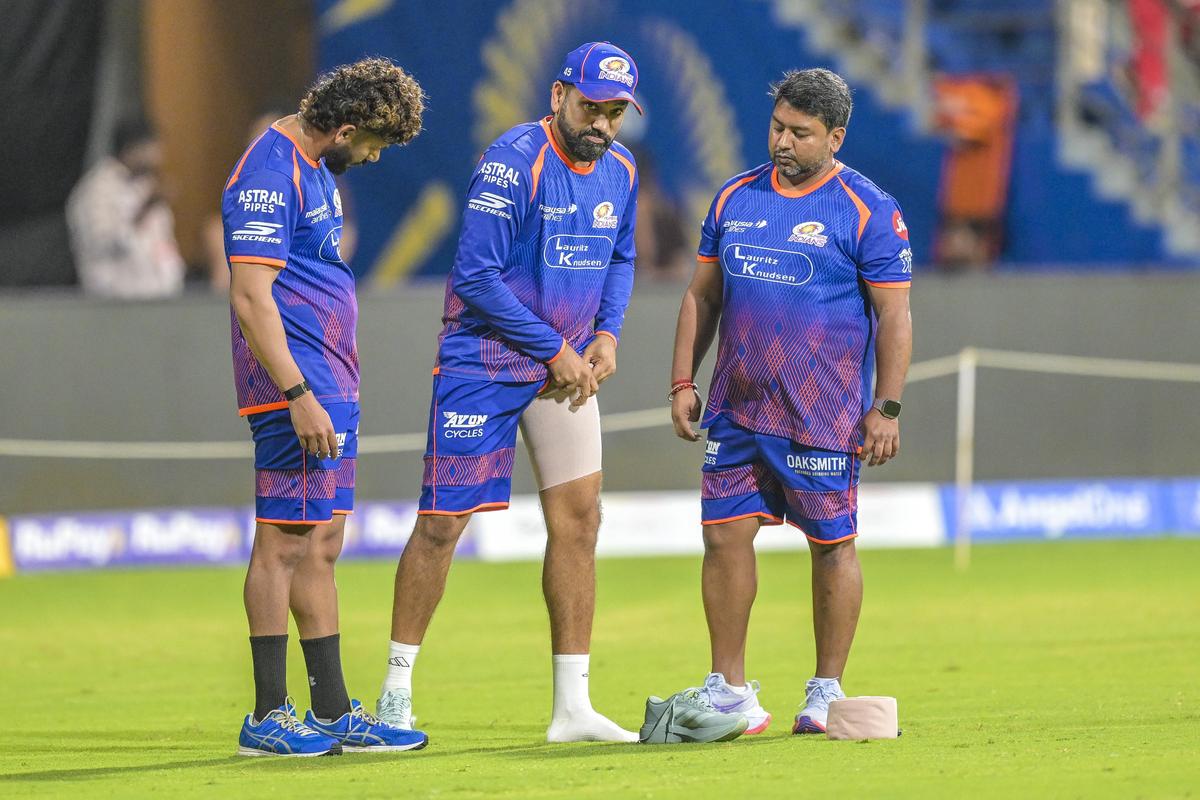
Rohit Sharma suffered an injury to his left hamstring that ruled him out of the match against PBKS.
| Photo Credit:
Emmanual Yogini
“When you are young and robust, if you eat iron you will be able to digest it. In the thirties even if you eat food it won’t digest,” he explained with a laugh. “So you need to be very specialised according to the individual. What suits Virat will not suit Rohit or MS. So, it has to be highly bespoke, just because it is successful with one player need not be successful with any other players.
“There has to be progression in anything. Suddenly coming and sprinting it’s not going to help you however fit you are. When you are in a competition your body and mind responds differently to when you are training.
“The essence is that the professional needs to understand when you are in a competition there are a lot of things happening which are not happening during your training. So, the idea is to prepare yourself through the training, it’s a simulation.
“You cannot do that because there are so many variables. But being very close to the reality in your training module really helps. For example, when you are in your 20s, you may take two weeks to get into the groove. When you are in your 30s, it may take three weeks. When you are in your 40s, it may take a month and a half.”
Published on Apr 16, 2026
Discover more from News Link360
Subscribe to get the latest posts sent to your email.