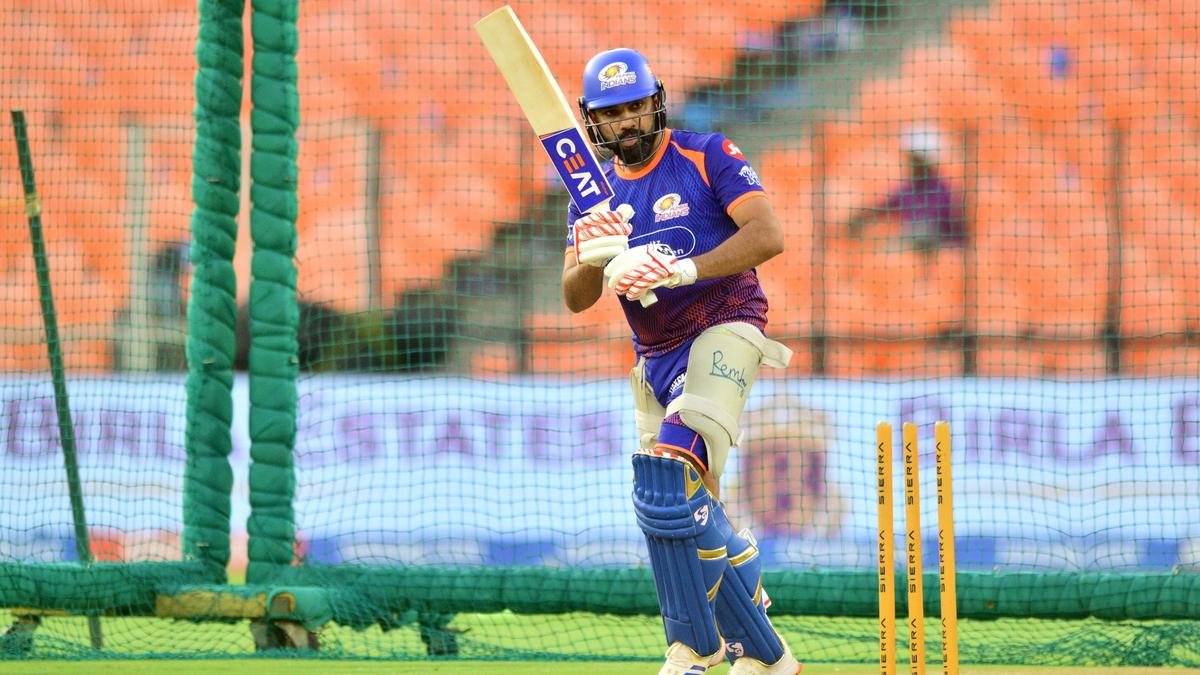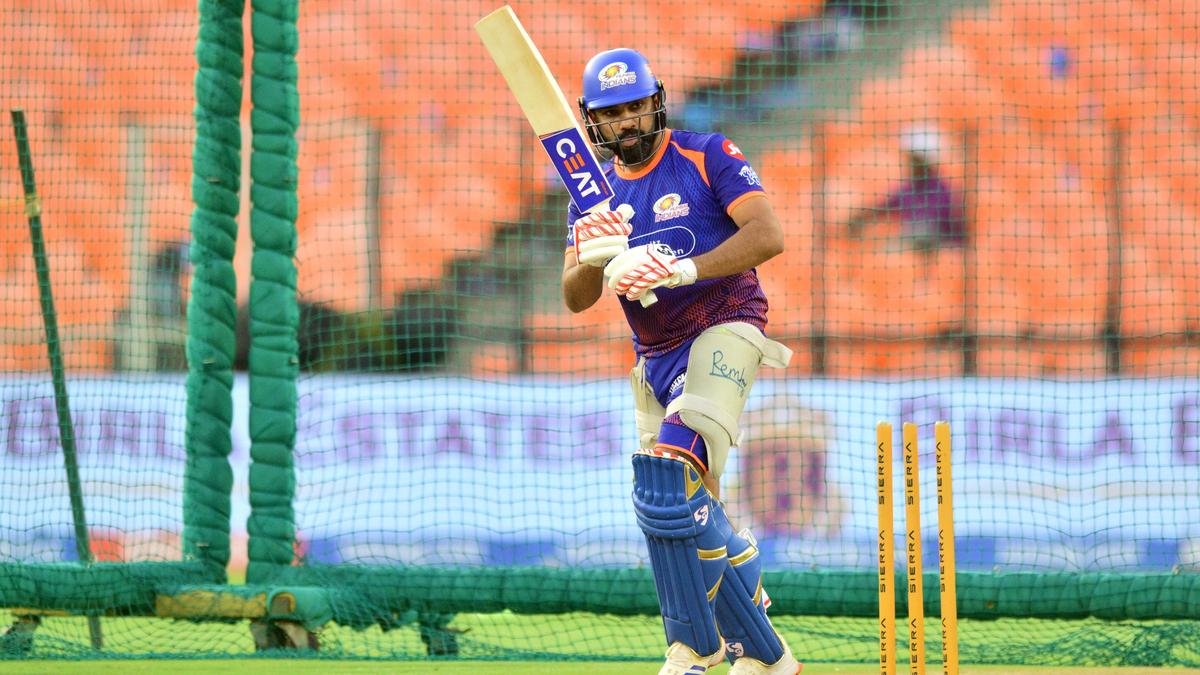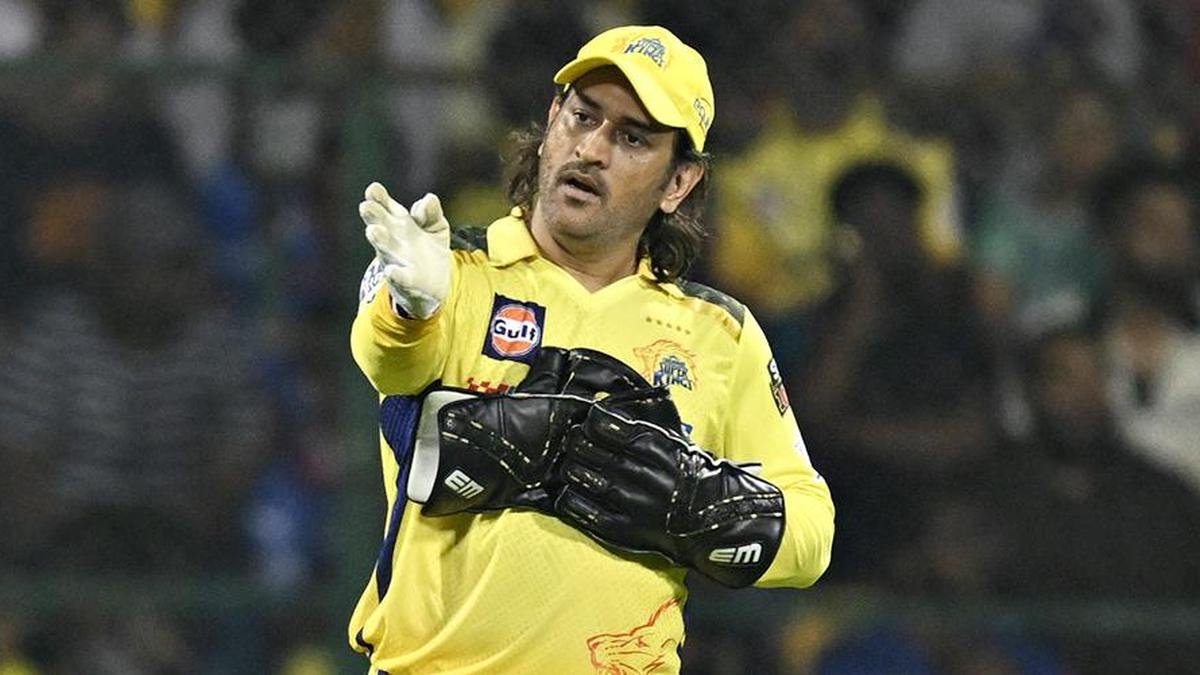

“Players like Jasprit Bumrah, who play across formats for India, have to switch on and switch off. If you look at Kagiso Rabada, when he plays a Test match for South Africa, or in big World Cup moments, there’s a clear difference compared to when he plays a random IPL game. You can see where he conserves energy and where he goes all out,” he said on Sportstar’s Insight Edge podcast.
Manjrekar’s reading is less about decline and more about design, both from Bumrah and the opposition. “My theory is this: team meetings probably revolve around one central message, don’t try to hit Bumrah and get out to him. That happens at the international level as well.”
It creates an unusual problem. “He’s one bowler in the IPL against whom the fewest big shots are attempted. So he doesn’t get that small advantage bowlers often rely on, wickets when batters are trying to slog. They simply don’t take that risk against him.”

There is also a visible shift in execution. “Add to that the fatigue factor. We’re not seeing Bumrah bowl those beautiful, hard seam deliveries as consistently. You saw it against Vaibhav Sooryavanshi as well, when he was hit, his response was to go to the slower ball. That’s partly about conserving energy while still trying to take a wicket.”
The larger impact, though, is tactical. “And the advantage against Mumbai Indians is this: if you choose to go easy on Bumrah, there are enough other bowlers in that attack to target.”
Published on Apr 20, 2026
Discover more from News Link360
Subscribe to get the latest posts sent to your email.