Last Updated:
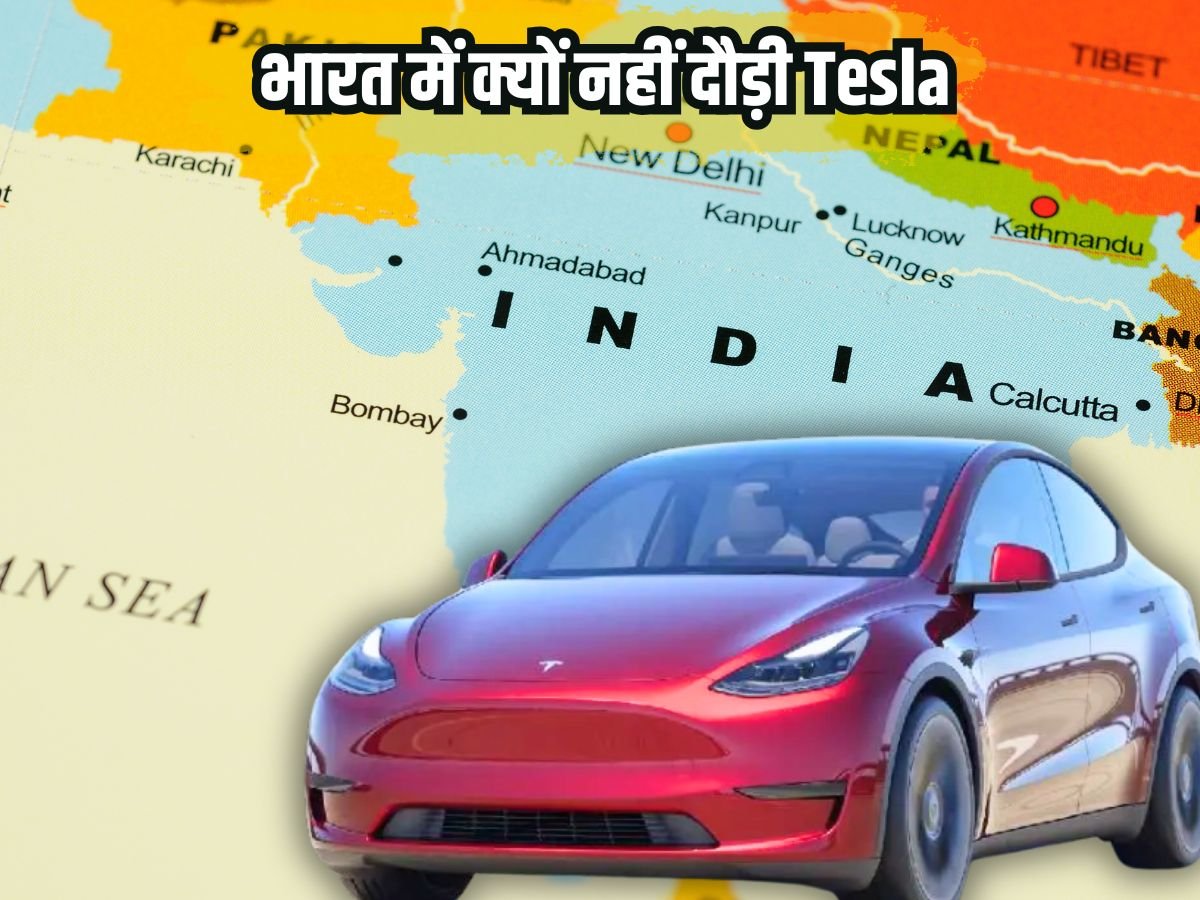
Why Tesla Failed In India: Why Tesla has failed to make its mark in India? Why Elon Musk’s cars are struggling on Indian roads and how indigenous brands like Tata-Mahindra have made the path difficult for Tesla. Newly launched 6 seater Model YL worth Rs 62 lakh, will the damage done in the last one year be controlled?

The world’s largest electric car company came to India, tried to make a splash, but it gets a big shock on the ground of reality. Yes, we are talking about Elon Musk’s company Tesla. Today, on April 22, 2026, Tesla has launched its new Model YL (6-seater, long wheelbase) in the Indian market, the price of which has been fixed at Rs 62 lakh. This is not just a new launch, but a kind of ‘damage control’, because Tesla’s journey in India so far has been full of struggle and has been much worse than expected.
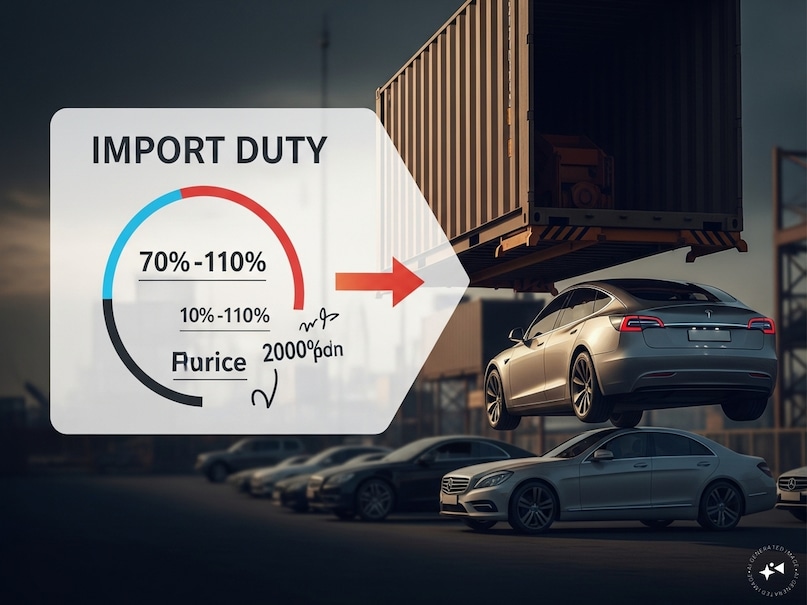
The biggest reason for Tesla’s struggle in India has been its skyrocketing prices. The government imposes huge import tariffs ranging from 70% to 110% on vehicles coming from outside India. The result was that the price of Model Y reached between Rs 60 lakh to Rs 68 lakh. Due to being so expensive, it became out of the reach of the common man and stood in the category of luxury vehicles like Mercedes EQB, BMW iX1 and Volvo EC40. In a country like India, where people pay most attention to the price and value of a car before buying it, Tesla has never been able to attract the ‘mass market’.

Talking about figures, Tesla’s performance has been quite bad. In the year 2025, the company sold only 227 vehicles during the entire year, whereas their target was at least 2,500 units. The situation became so bad that the company had to give a discount of up to Rs 2 lakh to clear its stock. This shows that it is not so easy to win the Indian market on the basis of brand name alone, especially when the customer has to get value for money at every step.
Add News18 as
Preferred Source on Google

Apart from the price, the problem of charging has also made the path of Tesla difficult. There are currently only 25,000 charging stations in India, which is far less than the requirement. Many times it happens that the stations which appear on the map are actually found to be bad. Tesla’s biggest strength is considered to be its ‘Supercharger Network’, which has created a stir in America and Europe, but in India this network is still nominal. Without a strong charging infrastructure, any EV user hesitates to go on long distance journeys.

The dominance of domestic companies like Tata Motors in the Indian market also remains a big challenge for Tesla. Tata has about 60% share in the electric vehicle market, followed by Mahindra and JSW MG Motors. These companies understand the pulse of Indian customers. Tata Nexon EV and Mahindra’s new vehicles are much cheaper than Tesla and are designed keeping in mind the needs of Indian families. In such a situation, it has been like chewing iron grams for Tesla to make its place among these giants.

Another bitter truth is that the market for luxury electric vehicles in India is very small. The share of vehicles above Rs 16.5 lakh i.e. about $20,000 in total sales is only 6.6%. Even in this small segment, old and established players like Mercedes, BMW, Kia and Audi are already present. Tesla not only has to fight with these brands but also has to face the challenges of Indian roads. The ground clearance of Tesla vehicles is low, which is not suitable for the big speed breakers and potholes of India. To fix this, major changes are required in the design of the vehicle, which costs a lot.

Tesla has also been left far behind in terms of service network. Tesla showrooms and service centers are limited only to big cities, whereas Tata and Mahindra’s network extends to villages and towns. If a customer from a small town faces any problem with his car, he has no easy way out. Apart from this, Elon Musk’s own global image and his political activities have also had an impact on the company’s sales, which has been felt all over the world.

Now the question is what will happen next? Through the new 6-seater Model YL, Tesla wants to woo the premium segment of India which likes large and comfortable SUVs. This is a good effort, but experts believe that until Tesla sets up its factory in India and starts manufacturing vehicles here, this trend of high prices will not stop. Local manufacturing is the only way through which Tesla can become a long-haul horse in the Indian market.
Discover more from News Link360
Subscribe to get the latest posts sent to your email.