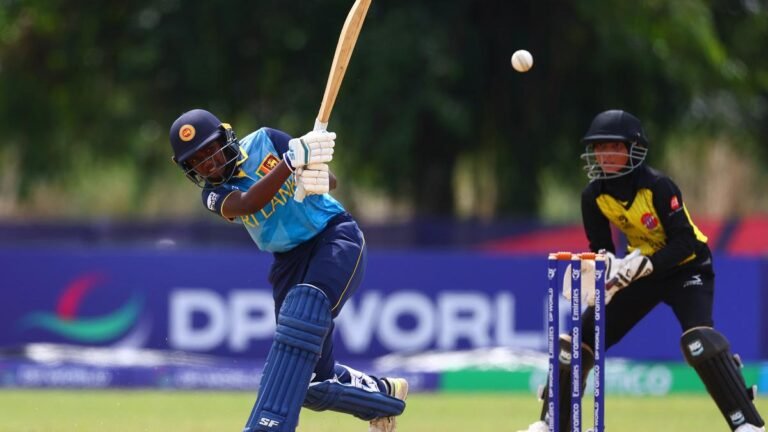
Following its board meeting, the ICC had okayed a trial of pink balls in regular Test matches, with prior agreement from both teams, “to maximise play in case of anticipated bad light”.
It is understood that such a match will start with a red ball, but if there is bad light, then floodlights will be turned on and the pink ball will be used to make up for the overs that could otherwise be lost.
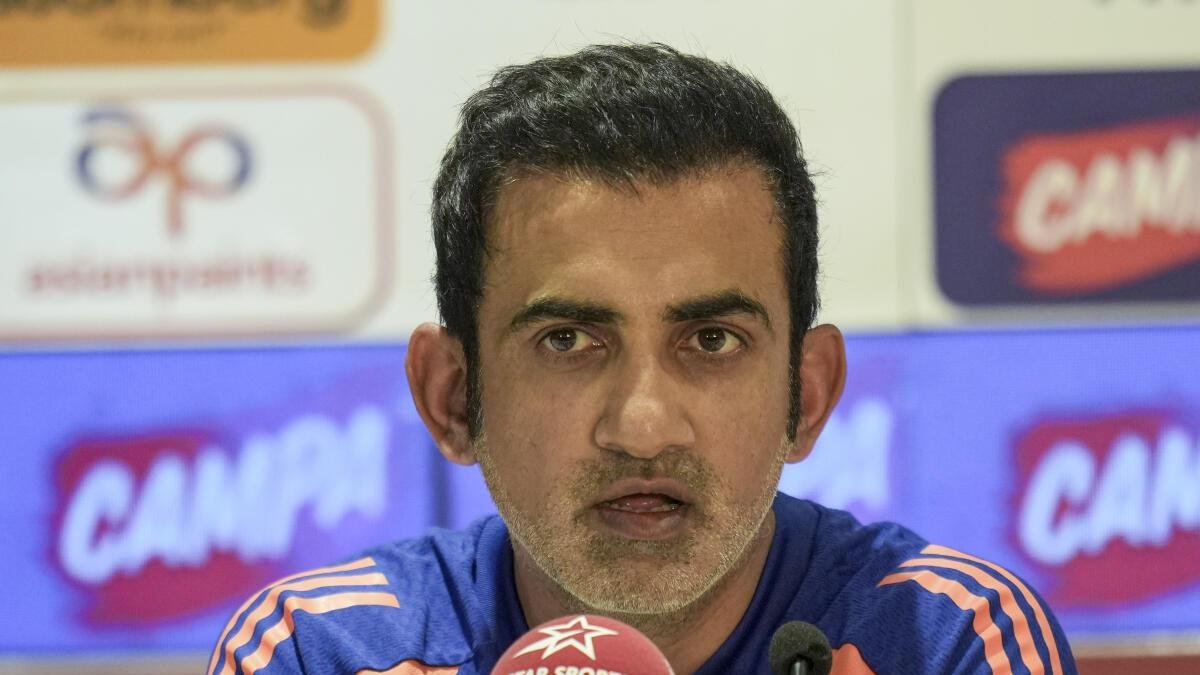
“I love that. The reason is because I always believe that if there’s an opportunity to get a result, you should always have that opportunity,” Gambhir said on the eve of the one-off Test against Afghanistan.
The rule will be effective from October 1. Gambhir’s firm support for it has an underlying reason.
India will be playing the Border-Gavaskar Trophy at home in February-March. The third Test is in Guwahati and the final one in Ranchi, both in the eastern part of India, where the sun sets by 4 p.m., leading to a loss of overs.
“Imagine if you are playing the last Test match before the World Test Championship final and you have the chance to win that Test match and qualify. Because of the bad light, it’s not happening. I am all for it if there is an opportunity to get the result and both the teams agree to it,” Gambhir said.
Gambhir acknowledged that the change from red to pink ball in the same match could be a major adjustment problem for players but if there is a WTC final spot on the line, flexibility would be expected.
“I know it could be a little uncertain or difficult for the players playing the Test match but imagine working hard for two years and it’s the last Test match before the World Test Championship final,” he said.
“If it gets worse, if you don’t play five days because of bad luck, how uncertain could that be? So, I think it’s a proactive move. It’s a positive move, and hopefully the teams will start taking it in a positive way,” Gambhir added.
Published on Jun 05, 2026
Discover more from News Link360
Subscribe to get the latest posts sent to your email.