Ajay Kumar Verma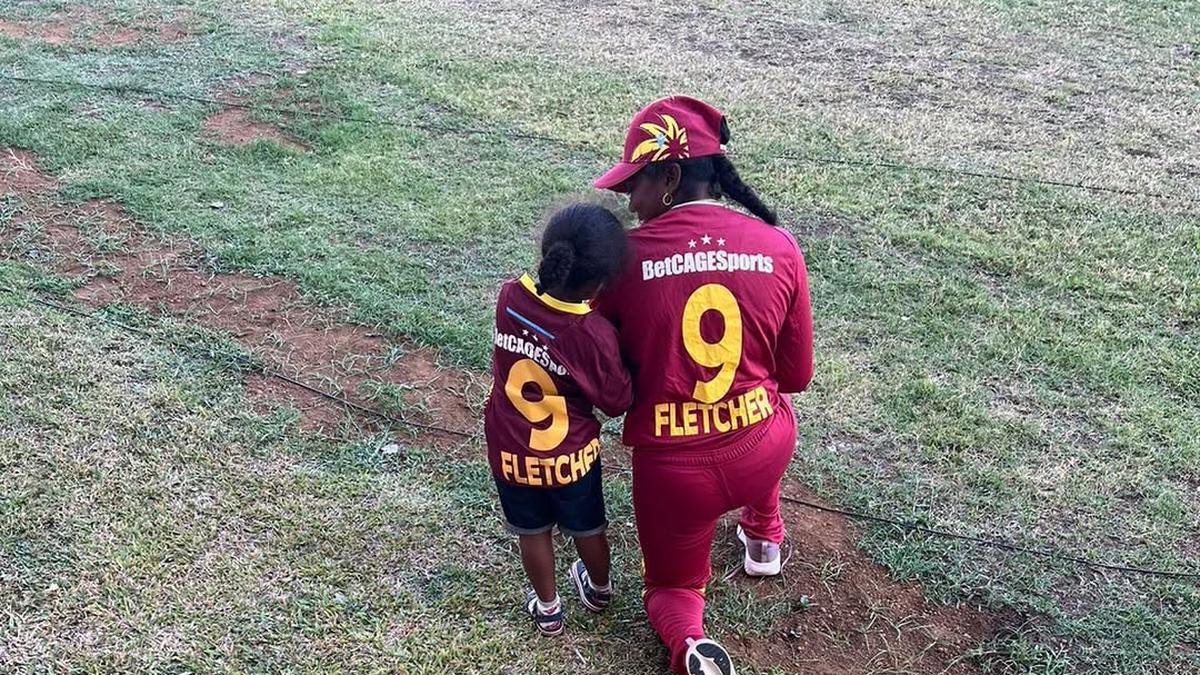
In an interview to PTI, the Melbourne-based Sport and Exercise Medicine Physician, also spoke about the process that went into creating the guidelines, its potential impact and the challenges that were flagged by the cricketers.
Dr. Inge is also the team doctor of the Australian women’s squad and is currently with the side in England for the ongoing ICC T20 World Cup.
“There’s obviously some guidelines that the IOC (International Olympic Committee) have put together. Other organisations such as FIFA (football world body) have a really comprehensive document as well. We’ve certainly used those documents to help shape what we’ve done here,” she said.
WHAT IS THE ICC’S POST-PREGNANCY GUIDELINE? CLICK HERE FOR THE EXPLAINER
“Probably the unique piece that we’ve tried to put on this one is the practical lens that actually reflects the cricket-specific issues. What does it look like in terms of training during that time? What sort of skills need to be integrated and when?” she explained.
“We certainly haven’t reinvented the wheel here. We’ve obviously used a lot of other resources that exist across other sporting nations as well. We tried to pull together what we hope is a really tangible and practical set of guidelines.” The guidelines were unveiled on Monday outline a six ‘R’s framework: Ready, Review, Restore, Recondition, Return and Refine.
They are similar to the step-wise return to play programme of FIFA, which also covers managers along with players.
The IOC has not come up with a specific policy but has outlined the medical clearances needed for return to play through a consensus statement some years ago, which forms the basis of postpartum policies for national bodies worldwide.
Dr Inge said the ICC was nudged by member nations to come up with the guidelines and it took one year of deliberations to frame them.
“So essentially these sort of came to life after a number of member nations came to the ICC requesting some advice around return to play postpartum. I think we did our first draft of the guidelines probably close to 12 months ago. We then sought feedback from all member nations within their medical teams as well,” she said.
“These are guidelines that member nations can use to adapt in their own environment. Ideally, they provide a platform for athletes to see that they can have a baby. There is a process in which they can return to playing cricket as well,” she added.

| Photo Credit:
Video Grab/ICC

Former Pakistan captain Bismah Maroof returned to cricket after the birth of her daughter.
| Photo Credit:
Video Grab/ICC
Among the prominent women cricketers who attempted comebacks after becoming mothers is former Pakistan captain Bismah Mahroof, who eventually quit the game in 2024.
West Indies’ Afy Fletcher, however, is competing at the ongoing World Cup after giving birth to her son in 2021.
ALSO READ | Trailblazing twins Jill and Jane Powell look back at evolution of women’s game
On the biggest challenges that were identified during the course of the guidelines’ formulation, Dr. Inge said, “I think the biggest one that came to light was the logistics behind it and how to actually go about that return.” She said during her interactions with cricketers, she found them to be highly driven and keen to have a career post motherhood.
“It’s how to actually start some of those conversations. That is particularly important if they’re within an organisation that hasn’t necessarily done it before. The other one is the logistics behind it,” she said.
“How do I, if I want to breastfeed, practically do that on the ground? How do I make sure I’ve got enough energy available to be able to do that? What are the dietary considerations behind it? What would it look like for travel?” she revealed some of the questions that came her way.
“The physical stuff — I think every athlete has been through issues where there are physical limitations. But it’s the practicalities and psychological overlay which I think certainly needed to be considered with these guidelines,” she explained.
Dr. Inge acknowledged that not every country would have the resources to implement the guidelines at full scale. The appointment of a Care Manager, as suggested, for individual cases could itself be a task. But she said they are flexible enough for everybody to gain from them.
“The really key thing we wanted to do here was not to provide stringent advice,” she said.
“It’s a framework in which athletes and their team medical staff and conditioning staff can use and adapt for their unique environments,” she added.
PODCAST | Watch Sportstar’s Matchpoint Paradox where the team dissects India’s loss to South Africa and how the semifinal race is shaping up in the Women’s T20 World Cup
Throwing some light on the psychological battles that a pregnancy break can bring with it, Dr Inge said it can feel a like a very long way back.
“The confidence to know that your body can get back and do that again can be really challenging. The other one is obviously performance.
“It’s about rebuilding them into that environment. Ideally, sports psychologists, if they’re available within the member nations’ coaching staff, can help with that process,” she said.
“I think we want athletes to return to play. But equally importantly is return to performance.” Dr Inge hoped that the guidelines will show some impact in about a decade’s time in reducing the dropout rate although she admitted it is hard to know for sure at this point.
“The two things I’d like to hope from these guidelines is, number one, women coming into the game, whether they’re 16, 18 or 35, can see that they have the capacity to play cricket and have a family. They’re not mutually exclusive,” she said.
“Realistically, probably in eight to 10 years, we’ll see if there’s been much shift. I think it’s a bit of a ‘watch this space’,” she concluded.
Published on Jun 23, 2026
Discover more from News Link360
Subscribe to get the latest posts sent to your email.