Ajay Kumar Verma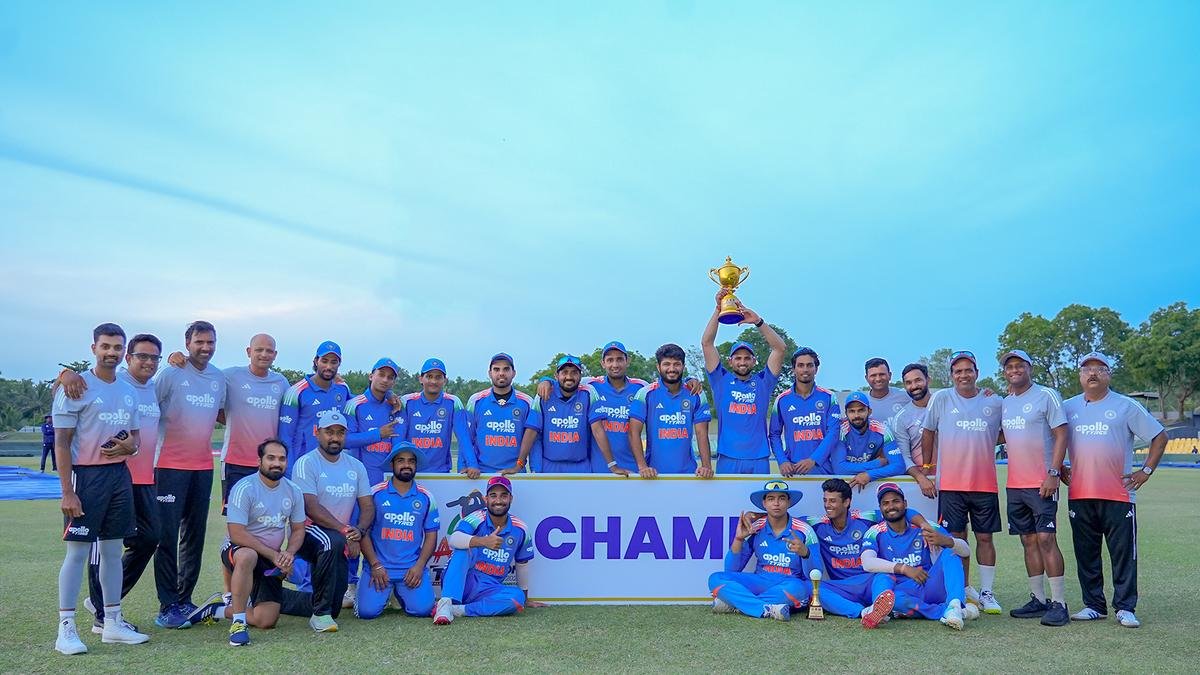
But India-A’s triumph in the Tri-Nation series in Dambulla will be remembered for far more than the silverware.
For a fortnight at the Rangiri International Stadium, amid sticky afternoons, sudden showers and pitches that kept changing their character, a young Indian side learnt lessons no coaching manual can teach. It was about handling setbacks, reading unfamiliar conditions, recovering from disappointment and discovering, once again, just how deep India’s talent pool really is.
India-A lifted the title after winning three of its five league games and crushing Sri Lanka-A by 66 runs in the final. More than 1,500 runs were scored along the way, but the campaign was defined by much more than sheer volume.
There were careers to rebuild, reputations to strengthen and dreams beginning to take shape.
Ruturaj Gaikwad perhaps had the most to gain. Returning after a lengthy break, he arrived needing runs more than headlines. They came in the opening game itself. Walking in with India-A wobbling, he joined Tilak Varma in a 150-run partnership before bringing up his 21st List-A hundred.
It wasn’t one of those effortless white-ball blitzes that have become his trademark. Instead, it was an innings built on patience, game awareness and sound judgement, precisely the sort of knock the selectors would have appreciated.
If Gaikwad rediscovered his rhythm, Tilak quietly became the heartbeat of the side. His tournament-leading 251 runs reflected his consistency, but his captaincy perhaps left an even stronger impression. There was little fuss about him. He backed his bowlers after difficult spells, trusted youngsters in pressure situations and rarely appeared rattled, even when matches drifted away.
The bowlers needed time to understand Dambulla.
Early in the tournament, India often looked guilty of searching for wickets instead of building pressure. The seamers chased fuller lengths, while the spinners tried to extract extravagant turn from surfaces that rewarded accuracy far more than ambition. Opponents found scoring opportunities through the middle overs, exposing inexperience rather than a lack of ability.
Gradually, the attack adapted.
Nishant Sindhu became increasingly influential with his left-arm spin, Anukul Roy tightened the screws in the middle overs, while Vipraj Nigam and Ayush Badoni chipped in with timely breakthroughs. Suryansh Shedge’s medium pace also proved surprisingly effective whenever partnerships threatened to develop. By the final, the same attack looked transformed, defending 377 with an assurance that had been missing during the opening week.
The setbacks, if anything, accelerated that growth.
A rain-affected defeat to Afghanistan-A after posting more than 300 highlighted India’s inability to close out games. Then came the tournament’s strangest evening.

| Photo Credit:
SLC

Leading by example: Tilak Varma’s runs and measured captaincy played a pivotal role in India-A’s triumphant campaign.
| Photo Credit:
SLC
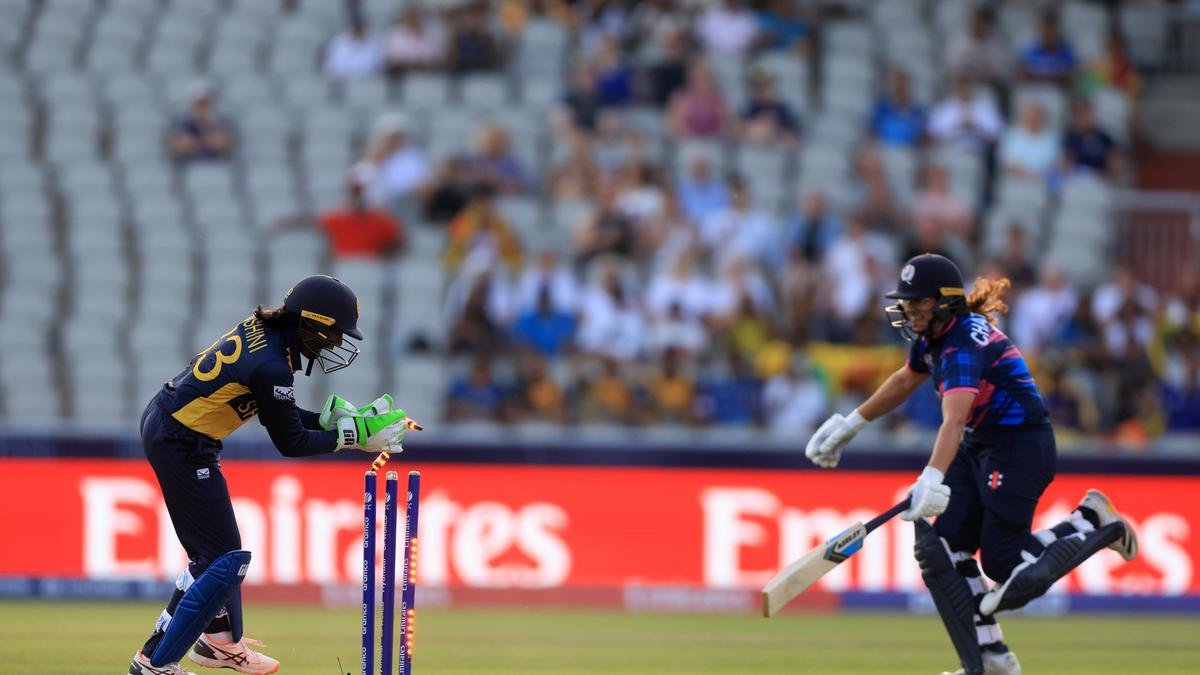
Before Sri Lanka-A had faced a single delivery, India had already been docked 10 penalty runs. What followed was a tied match, fading light, repeated discussions between officials and players, and eventually a Super Over defeat. It was chaotic, frustrating and unlike anything most of these cricketers had experienced before.
Instead of carrying that disappointment into the final, India produced its most complete performance of the tournament.
And then came the innings everyone will remember.
Fifteen-year-old Vaibhav Sooryavanshi had managed only 58 runs in his first two knocks. Outside the dressing room, questions had already begun to surface. Inside, there was remarkable calm. Head coach Hrishikesh Kanitkar had only one message: don’t change anything.
Sooryavanshi listened.
Eleven balls were enough for the fastest fifty in List-A cricket. Boundaries arrived almost every ball, Sri Lanka’s bowlers ran out of ideas and, by the time the teenager finally walked back for 94 off just 29 deliveries, the final had already slipped beyond the hosts. Ten fours, eight sixes and barely half an hour at the crease had effectively settled the contest.
India piled up 377 for 9, the highest total of the tournament, before completing a comfortable victory.
Yet Dambulla shouldn’t become just another chapter in the growing mythology surrounding Sooryavanshi.
The tournament reinforced why India’s pipeline continues to stand apart. Gaikwad reminded everyone of his quality. Tilak looked increasingly like a leader ready for bigger responsibilities. Sindhu, Nigam, Roy and Shedge all showed they belong in conversations beyond domestic cricket.
Perhaps most importantly, Sooryavanshi was treated exactly as he should have been: not as a phenomenon, but as a 15-year-old learning his craft. He was shielded from the noise, spared the constant spotlight and given the space to simply be a teenager.
That may well prove as significant as anything he achieved with the bat.
The fortnight in Dambulla was never just about winning another trophy. It was about another generation taking its first steps, making mistakes, solving problems and growing together.
The silverware will sit in a cabinet. The lessons are likely to travel much further.
Published on Jun 27, 2026
Discover more from News Link360
Subscribe to get the latest posts sent to your email.