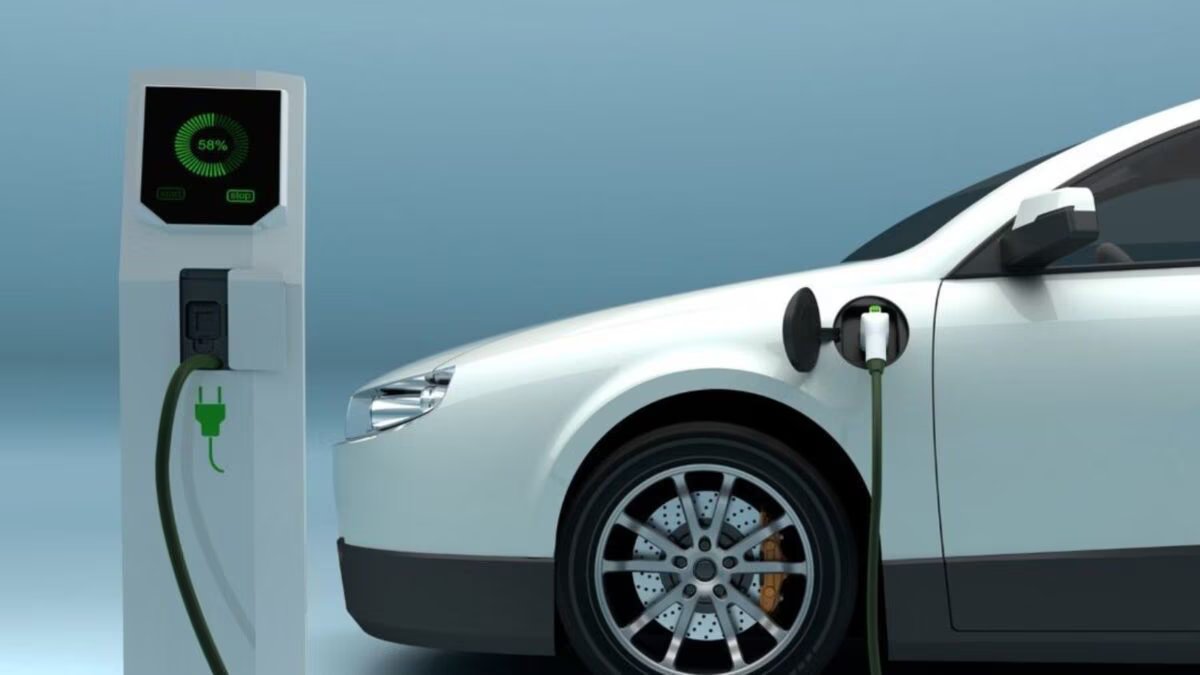
The report says that only 55 percent of potential EV buyers have charging facilities at home. In this report released by AEEE and Kazam, data from more than 80,000 residential charger installations has been analyzed. Along with the policy of EV adoption, it has been advised to take immediate steps to make homes EV-ready, so that the net-zero target can be achieved.
What about research?
The joint report ‘The Net-Zero Transition Starts at Home: Enabling EV-Ready Residences in India’ by AEEE and EV charging platform Kazam revealed that charging facilities are unevenly available in independent houses, apartments, settlements and rented houses in tier-1, tier-2 and tier-3 cities across the country. Many homes rely on outdated electrical systems, which are not suitable for EV charging.
potential risk
Unofficial charging from a normal socket, extension cable or shared connection can result in fire hazards, electrical faults, equipment problems, voltage fluctuations, wiring overheating and local power outages. This will reduce the reliability of charging and the EV battery may deteriorate quickly. This challenge is even more acute in older homes, apartment complexes and informal settlements, where there is a lack of parking and retrofit guidelines.
Recommendations and Solutions
The report sets minimum standards to make homes EV-ready. These include adequate permissible electrical load, dedicated charging circuit, compliant wiring and earthing, properly installed chargers, rated MCBs, earth-leakage protection and certified EV sub-meter. Also, emphasis has been laid on the need to create a national framework that integrates building codes, electric safety standards and EV charging guidelines. This will increase security and address concerns like cost of upgrades.
This report has come with the new EV policy of the Delhi government, which includes the decision to stop new registration of petrol-CNG three-wheelers from 2027 and petrol two-wheelers from 2028. EV-related electricity consumption is projected to increase from 0.2 percent in 2024 to nearly 6 percent by 2035. Therefore the infrastructure needs to be strong.
Discover more from News Link360
Subscribe to get the latest posts sent to your email.