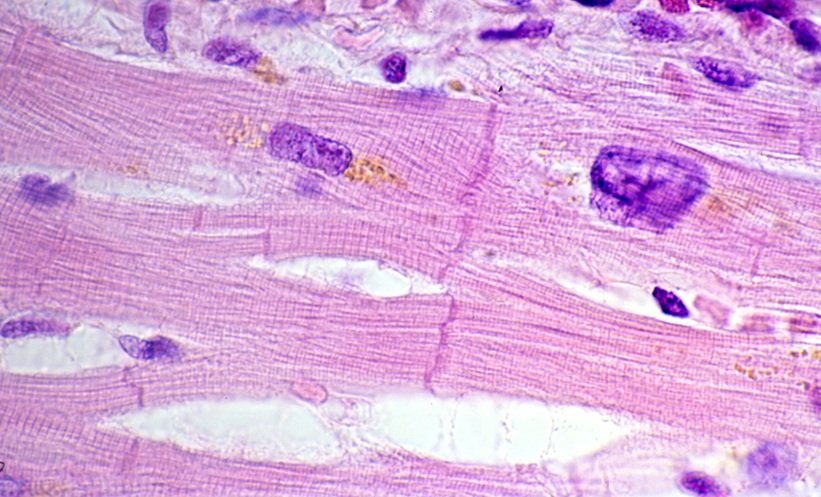
ABNORMAL cholesterol signalling identified as a key regulator of cardiomyocyte structure and function in new research using patient-derived heart tissue. Findings suggest lipid signalling may contribute directly to disease progression in dilated cardiomyopathy (DCM).
Heart failure remains a major clinical challenge with limited disease-modifying options for many patients. While genetic and structural abnormalities are known contributors, the molecular mechanisms driving cardiomyocyte dysfunction remain incompletely understood.
Cholesterol Dysregulation Linked to Cardiomyocyte Dysfunction
Researchers investigated cardiomyocytes carrying DCM-associated mutations affecting sarcomere proteins. They mapped lipid changes associated with disease using human iPSC-derived cardiomyocytes, patient heart tissue, and adult cardiomyocytes.
It was found that abnormal cholesterol handling may actively drive cellular dysfunction with elevated intracellular levels identified in DCM cardiomyocytes. Cholesterol accumulation was linked to abnormal endoplasmic reticulum (ER) structure and impaired ER function.
ER–sarcomere Disruption Contributes to DCM Progression
Findings also indicated a bidirectional relationship whereby sarcomere misalignment affected ER structure and lipid balance, in turn, lipid imbalance further worsened cellular architecture and contractility. The changes were linked to impaired cardiomyocyte contraction, reinforcing heart disease progression.
Researchers identified disruption of ER–sarcomere contact sites as a key mechanism connecting structural defects with altered lipid metabolism. Loss of these interactions appeared to impair cellular organisation and contribute to the progressive decline in cardiomyocyte function observed in DCM.
Targeting Cholesterol Pathways Restores Cardiomyocyte Function
Researchers found that correcting intracellular cholesterol levels helped restore ER membrane structure and sarcomere organisation. As well as this, cholesterol normalisation improved contractile function in DCM cardiomyocyte models. The study positions lipid-driven cellular dysfunction as a future strategy for disease -modifying heart failure treatment.
The findings uncovered new mechanistic insights into ow lipid metabolism, ER structure, and sarcomere organisation interact in DCM and identifies a potential route toward therapies that address the underlying biology of cardiomyocyte failure. Future research will be needed to determine whether targeting this pathway can improve outcomes in patients with heart failure.
Reference
Ignatyeva N et al. Targeting intracellular cholesterol imbalance rescues sarcomere–ER contact site signaling and ER remodeling in dilated cardiomyopathy. Signal Transduct Target Ther. 2026;11:237.
Featured Image: JosLuis on Adobe Stock
Discover more from News Link360
Subscribe to get the latest posts sent to your email.