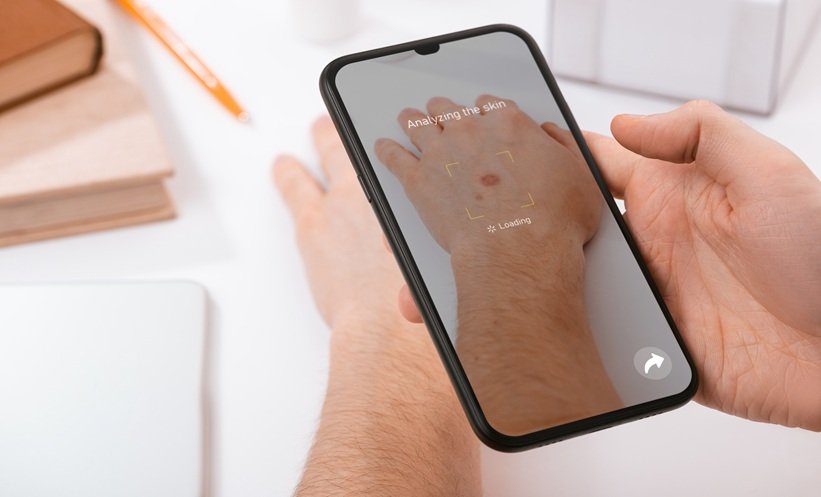
INTELLIGENT psoriasis research is accelerating precision diagnosis, personalized treatment, and long-term management across dermatology.
Intelligent Psoriasis Research Enters a New Era
A bibliometric analysis of intelligent psoriasis research from 2005 to 2025 highlights a growing focus on digital tools that could support diagnosis, treatment selection, and disease monitoring. The study examined literature related to intelligent diagnosis and treatment of psoriasis in the Web of Science Core Collection, using VOSviewer and CiteSpace to assess co-cited literature, keywords, research trends, and patterns of international collaboration.
Psoriasis remains a chronic inflammatory disease driven by genetic, immune, and environmental interactions. The central mechanism described in the analysis is aberrant activation of the Th17/IL-23 pathway, contributing to uncontrolled keratinocyte proliferation and systemic inflammation. The condition affects an estimated 1–3% of the global population and carries substantial clinical and quality of life burdens.
Digital Tools Could Advance Precision Dermatology
The analysis positions intelligent diagnosis and treatment as a potential pathway toward more individualized psoriasis care. Intelligent image recognition and multimodal data fusion were highlighted as key areas that may help clinicians integrate visual, clinical, and other patient level data to improve diagnostic accuracy and guide treatment decisions.
These approaches could be particularly relevant in a disease where symptoms extend beyond visible plaques. The study notes that 70–90% of patients experience moderate to severe pruritus, 50% experience nail thickening or loss, and up to 30% have associated arthropathy. Psychological burden is also prominent, with 59.1% of patients affected by social discrimination, further reducing quality of life.
Broader Applications Beyond Psoriasis
By mapping research activity in intelligent psoriasis research, the study identifies a developing field with potential implications for precision medicine and long term disease management. The authors suggest that intelligent diagnostic and therapeutic systems may help reduce medical costs, improve long term management, and support more personalized treatment strategies.
The same technologies could also be expanded to related inflammatory skin diseases, including atopic dermatitis and eczema. While the analysis does not test a specific diagnostic model or therapeutic intervention, it provides a research landscape showing how intelligent systems are increasingly being explored as part of the future of dermatology diagnosis and care.
Reference
Jiang S et al. Intelligent diagnosis and treatment of psoriasis research: A bibliometric analysis from 2005-01-01 to 2025-12-31. Clin Cosmet Investig Dermatol. 2026;19:615687.
Featured Image: yuriygolub on Adobe Stock.
Discover more from News Link360
Subscribe to get the latest posts sent to your email.