Prices have spiked as attacks on oil tankers in the Gulf escalate amid the US-Israel war on Iran.



Published On 10 Sep 2026
Oil prices have surged, with benchmark Brent crude hitting $109.20 a barrel after the biggest rise in attacks on Gulf shipping since the US-Israel war on Iran began spurred trader concerns about further supply disruptions.
Brent crude futures spiked to $109.20 a barrel on Thursday, up from $105.26 a barrel at midday. US West Texas Intermediate crude futures topped $100 a barrel for the first time since May, rising 6.7 percent to $102.5.
Recommended Stories
list of 4 itemsend of list
Brent prices have surged by more than 50 percent from lows touched in early July when a ceasefire was in place.
Gulf traffic through the Strait of Hormuz remains restricted, as tanker attacks in the region have intensified in recent days amid concurrent naval blockades imposed by Tehran and Washington. Meanwhile, the Iran-aligned Houthis seized control of Yemen’s port of Mocha on Thursday, further threatening Red Sea traffic.
“The recent run-up in prices lays bare the market’s approach: this conflict will last longer than anticipated even a month ago, let alone at the beginning of the summer. If oil supply and exports are diminished, the oil balance remains tight and prices remain elevated,” PVM analyst John Evans said.
Iran said it had attacked 10 ships near the Strait of Hormuz on Wednesday, after the US hit five Iranian oil tankers. Iran’s Islamic Revolutionary Guard Corps said it would escalate its response to any further attacks.
While fears of prolonged and more severe supply disruptions in the Gulf have lifted Brent above $100, analysts say the durability of the rally will hinge on China.
Chinese demand
China, the world’s largest crude importer, has stepped up purchases in recent weeks after months of subdued demand, boosting physical crude markets, ING analysts said in a note.
If Chinese buying continues to recover, it could amplify the impact of any supply disruptions and drive prices higher, while a pullback in imports could temper market gains, ING said.
“For months, the bearish case rested on soft Chinese demand,” said David Jorbenaze, global oil market lead at commodities information provider ICIS.
Meanwhile, on Wall Street, rising oil prices have worsened worries about inflation and cranked up pressure in the bond market.
The S&P 500 fell 0.6 percent and is on track for a fourth straight loss.
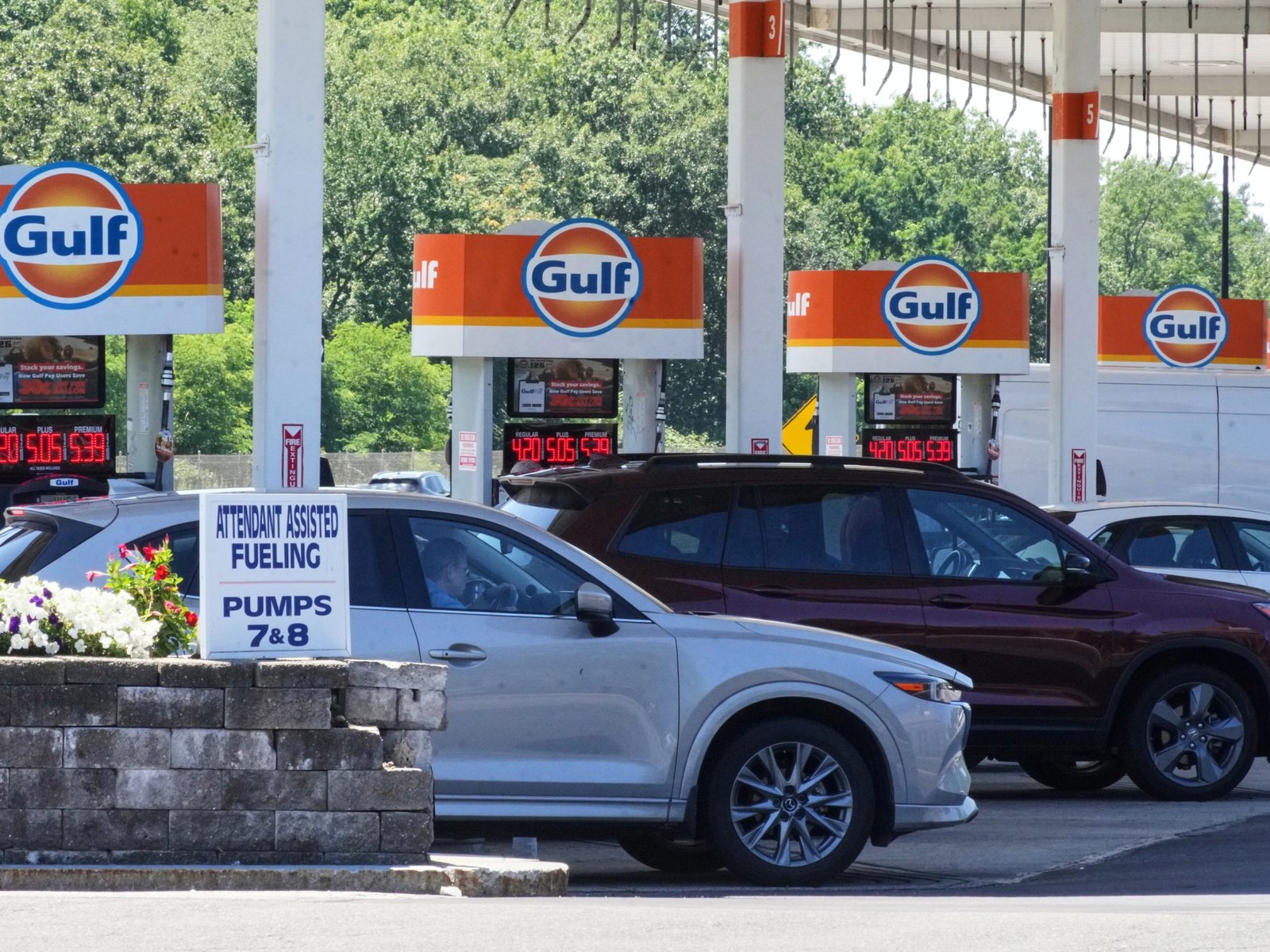
The increase in oil prices has pushed up the price of a gallon (3.8 litres) of regular petrol to an average of nearly $4.28 across the United States, according to the American Automobile Association.
This is not only costing more at the pump but also through higher prices for all kinds of products that move by truck to store shelves.
Following Thursday’s reports, traders are betting on a near-70 percent chance that the Federal Reserve will raise the federal funds rate at its meeting next week.
The probability is up from 61 percent seen the day before, according to data from CME Group.
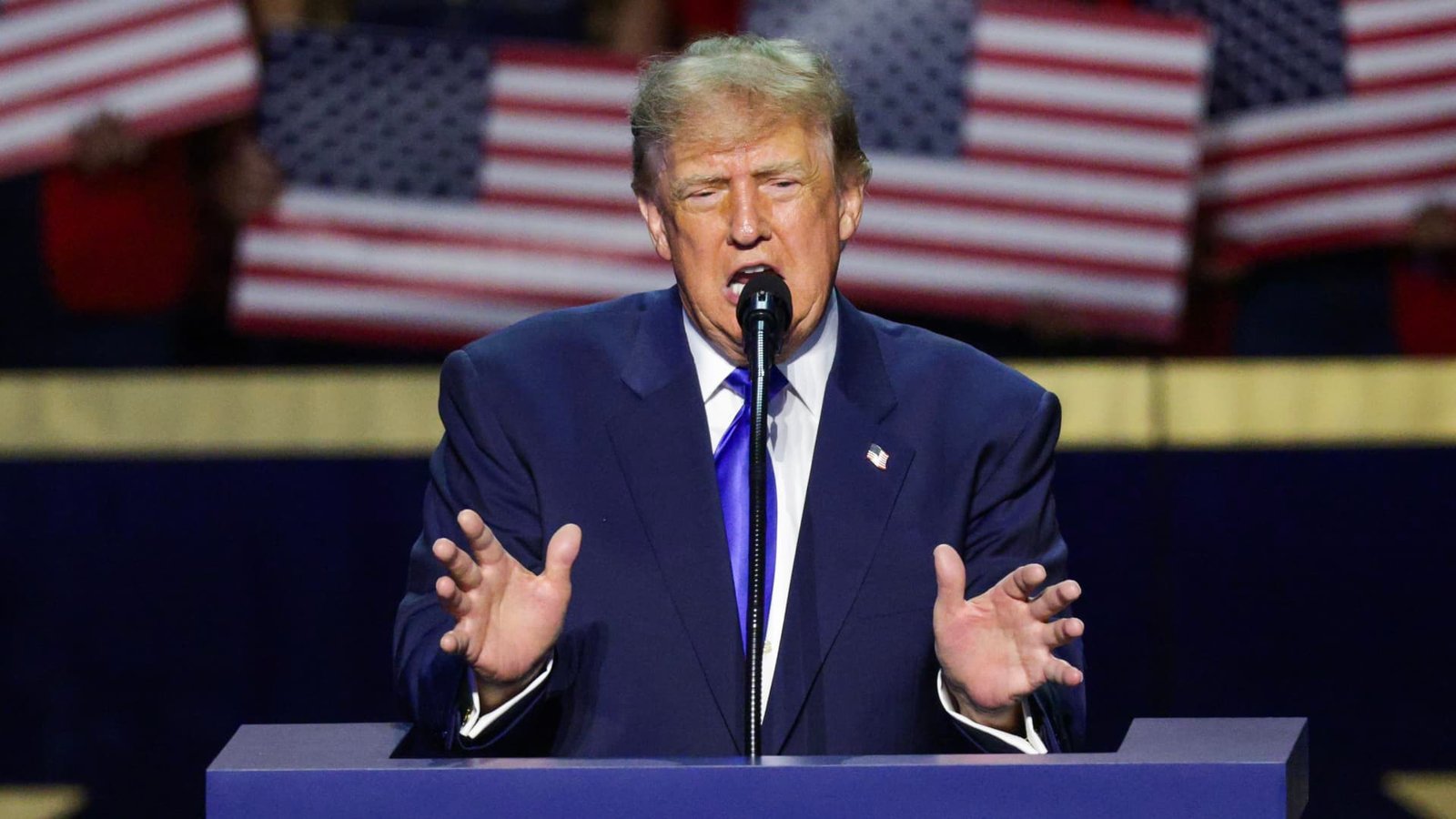
This also comes despite US President Donald Trump’s consistent lobbying for interest rates to go lower rather than higher.