

Startups, VCs look to step in as Delhi’s air pollution crisis deepens
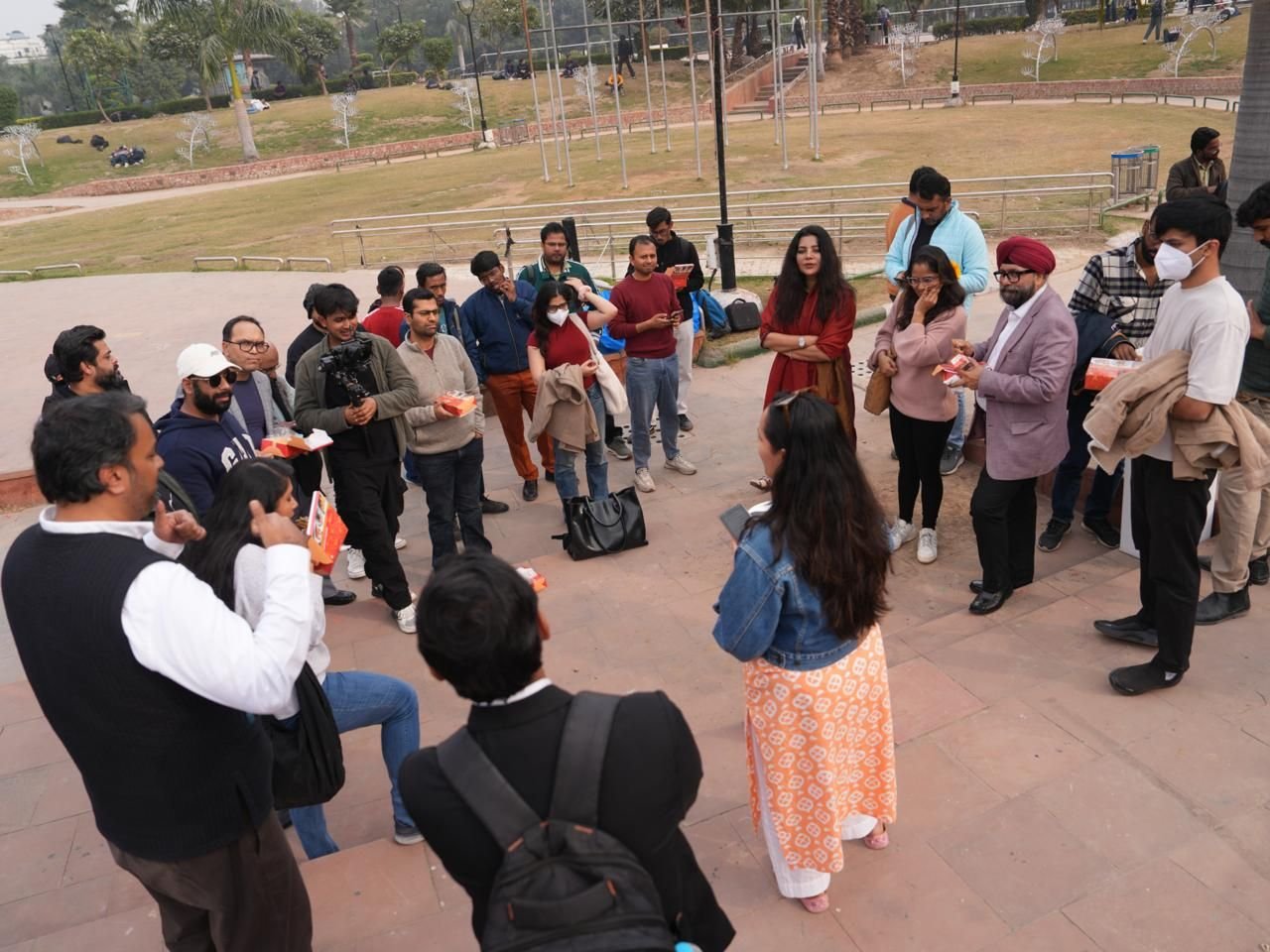
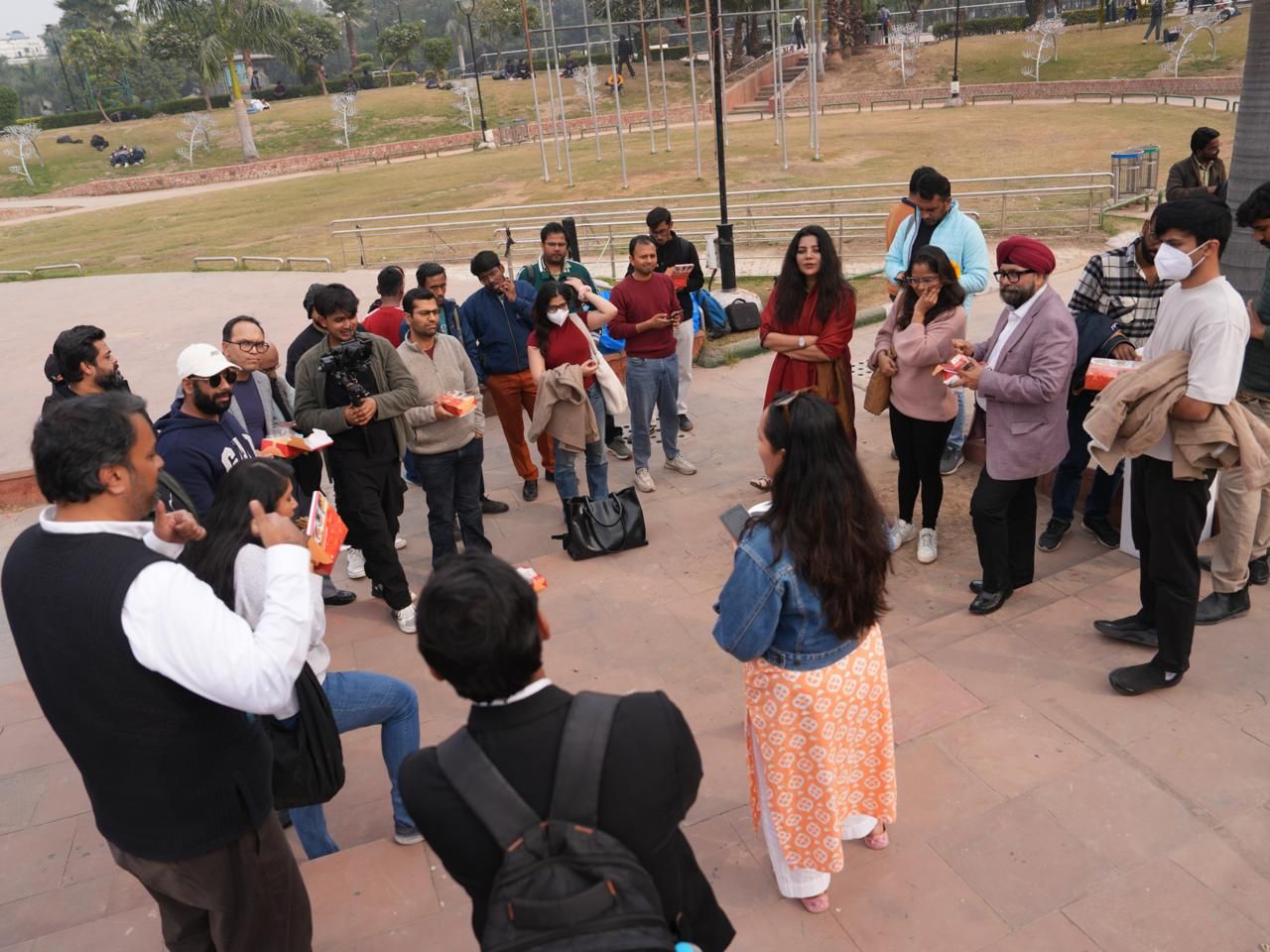

Founders from nearly 40 startups, along with representatives from venture capital and private equity firms, gathered at Central Park in New Delhi to chart a coordinated response to the capital’s air quality crisis. The meeting brought together companies working across mobility, agriculture, air purification, and climate technology—sectors that mirror the biggest contributors to Delhi’s pollution burden.
The gathering comes amid growing alarm over the city’s worsening air. Each winter, a toxic mix of vehicular emissions, construction dust, industrial pollution and smoke from crop-residue burning in neighbouring states pushes Delhi’s Air Quality Index into the “severe” zone for weeks at a stretch.
Fine particulate matter, or PM2.5, small enough to enter the bloodstream, remains the most dangerous pollutant, with public health studies linking air pollution to a significant share of premature deaths in the capital.
Mobility: Cutting emissions without new infrastructure
Among the solutions presented was carpooling—an intervention, proponents argue, that can deliver immediate gains without waiting for large-scale infrastructure or electric vehicle adoption.
Vishal Lavti, Co-founder of Quick Ride, one of India’s largest carpooling and bike-pooling platforms, said private vehicles remain one of the most stubborn contributors to Delhi’s emissions problem.
“Complex long-term solutions like EVs will surely help. But there are simple and immediate actions we can take today—and carpooling is one of the easiest and most effective. Unlike infrastructural fixes, carpooling requires no additional investment, only awareness and participation,” Lavti said.
Transport experts have long pointed out that even marginal reductions in single-occupancy vehicles during peak hours could significantly cut emissions and congestion in Delhi, where road traffic density continues to rise faster than public transport capacity.
Agriculture: Tackling pollution at its source
Another major focus was crop-residue burning, a seasonal practice in Punjab and Haryana, which sends dense plumes of smoke toward Delhi every October and November. While farmers often bear the blame, startups working in agricultural processing argue the problem is economic, not cultural.
Roshan Shankar, Founder of Saroja Earth, has set up operations in Khanna, Punjab, to process rice straw into fuel pellets, fertiliser pellets, biochar, and even biodegradable cutlery.
“It’s the incomplete burning of stubble that creates the air pollution we see today. Decentralised utilisation of rice straw… is an ideal solution to prevent stubble burning,” Shankar said, an academic who specialises in the study of stubble burning.
He argues that scalable local markets for crop residue can eliminate the incentive to burn fields, something enforcement alone has failed to achieve.
Capital and scale
For investors present, the pitch was not just environmental but economic: pollution as a systems problem that startups are uniquely positioned to solve.
Ish Anand—a Delhi resident who runs a private equity fund with operations in Europe, Singapore, and India—said founders had an obligation and an opportunity to address the crisis at scale.
“At the end of the day, we are the citizens of this city and this nation. If we don’t step up in times of crisis, who will? I am going to work with these founders and support their ventures. We need teamwork to crack this,” Anand said.
While climate and clean-tech startups in India have attracted more capital in recent years, many early-stage solutions struggle to bridge the gap between pilots and city-wide deployment, often due to regulatory hurdles or lack of municipal partnerships.
Planning for the next winter
Shradha Sharma, Founder and CEO of YourStory Media, and Founder of The Bharat Project—the organisation behind the initiative—said the goal was to break Delhi’s cycle of short-term emergency responses, followed by collective amnesia.
“We know this year is already done, and people will move on, and then it will be the same crisis next year. That’s why we are looking to build capacity over the next 11 months so that we as a city are better prepared next year,” Sharma said.
Sharma plans to present a shortlist of the most viable ideas to city administrators, seeking official support to help startups scale their solutions ahead of the next pollution season.
Delhi’s experience over the past decade suggests why that urgency matters. Despite recurring curbs on construction, vehicle use, and industrial activity under emergency action plans, the city’s air quality continues to deteriorate each winter, underscoring the limits of reactive measures.
For now, the startup-led effort offers a different bet: that targeted, scalable interventions—if backed by capital, policy support, and public participation—can chip away at a crisis that has long seemed intractable.
Edited by Suman Singh
Discover more from News Link360
Subscribe to get the latest posts sent to your email.