


What Indian D2C brands can learn from Indonesia: Community-led growth for Tier II India
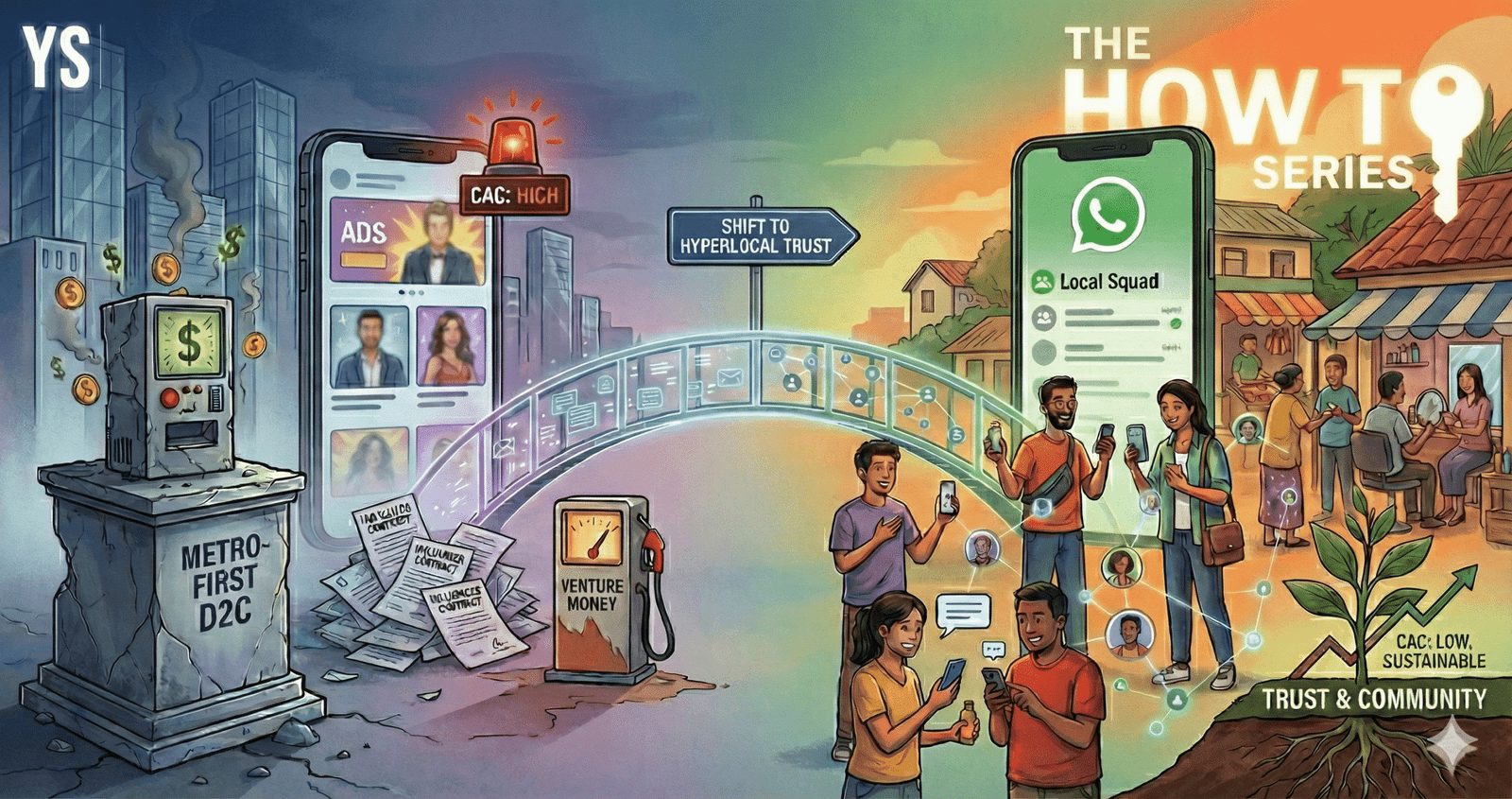
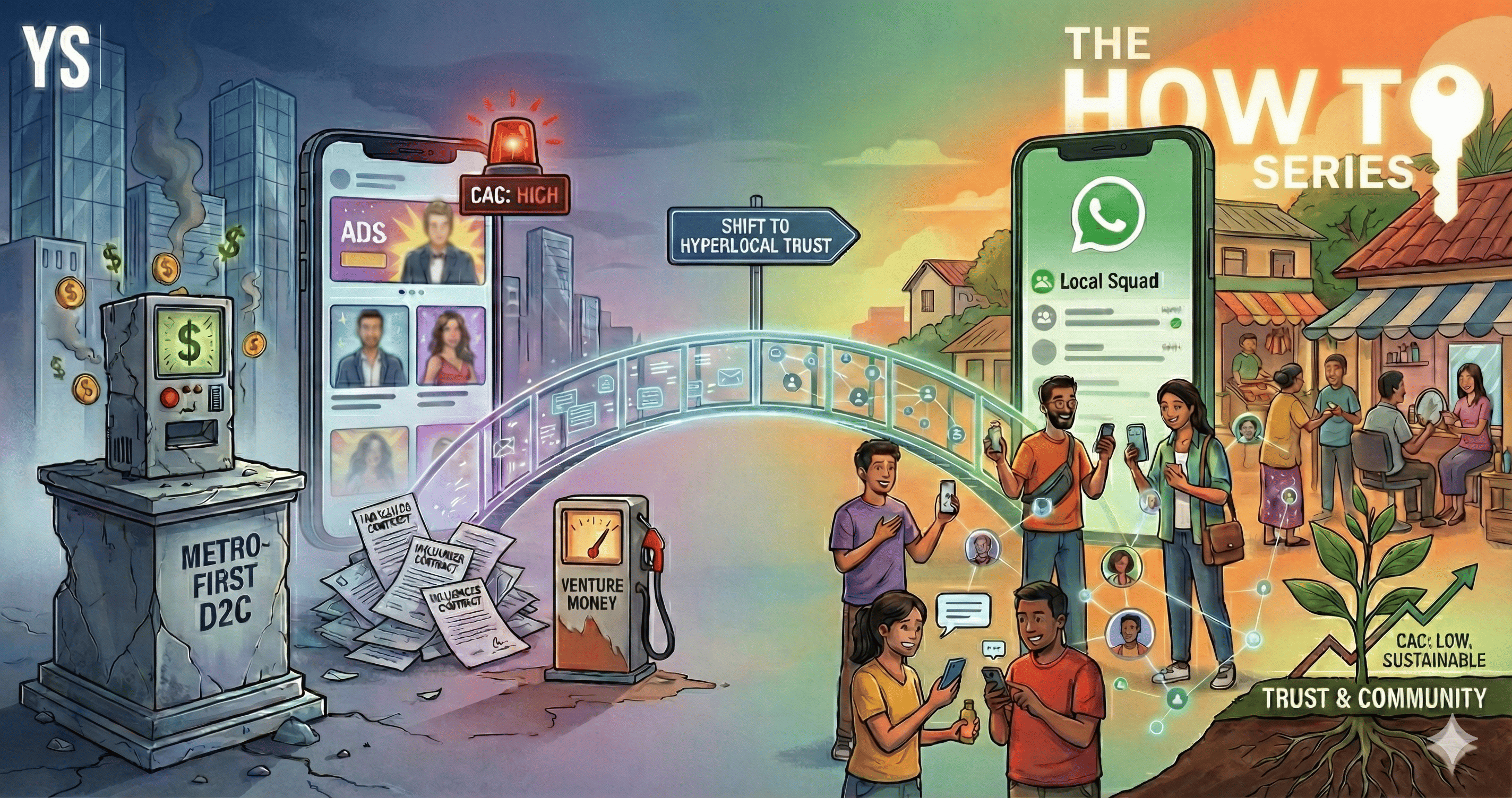

Customer acquisition costs in many categories have drifted into the Rs 600–Rs 1,500 range, with founders routinely reporting Rs 800–1,200 CAC in metros. Tier II India, where most new online buyers are, remains chronically underserved.
Meanwhile in Indonesia, brands cracked profitable growth by building neighbourhood squads on WhatsApp, running hyperlocal sampling drives, and leaning into nano creators, who actually know their audience.
As digital ads lose steam, the future of Indian D2C may look a lot more like Jakarta than Mumbai.
Why does it matter? While India’s D2C brands are drowning in acquisition costs, non-metro shoppers from Tier II+ cities—roughly 60%—now make up the majority of new online buyers. The metro-first playbook is breaking.
Indonesian brands like Somethinc—founded in 2019 and backed by investors such as Sequoia and Prosus—leaned on community, content, and trust instead of paid virality. The model worked; it offered a proven alternative: cheaper acquisition, higher trust, and far better retention.
The following playbook is derived from case studies and conversations with the executives working in the Indonesian consumer brands.
By the numbers
Indonesia’s community playbook
Somethinc, launched in 2019, is among Indonesia’s fastest-growing beauty brands. With over 1 million
followers across platforms— built through consistent community engagement—it is listed as a top performer in multiple Shopee categories through 2021–23.
The company has raised around $10 million in a 2022 funding round led by Sequoia and Prosus.
India’s CAC problem:
- Metro CAC: Often Rs 800–1,200 per customer, depending on category and funnel.
- Tier II advantage: Small-city brands generally report lower CAC, though not universally quantified.
- Meta advertisement engagement: ~2–3%.
- Email open rate: ~20–25%.
WhatsApp’s advantage:
- Open rate: Frequently cited at 90%+ in industry benchmarks versus ~20% for email.
- India users: Over 500 million active users.
- Conversion: Highly variable, but far higher for personalised/local interactions than broadcast ads.
Four Indonesian tactics India can adopt
1. WhatsApp micro-squads
Brands like Scarlett and Somethinc built neighbourhood “squads” during the COVID-19 pandemic, where college representatives, salon owners, and micro-ambassadors distributed samples, collected feedback, and closed orders via WhatsApp Catalogue.
How it works:
- Representatives receive sample kits
- Share with trusted circles
- Run WhatsApp groups for Q&As
- Handle orders via WhatsApp Catalogue
Tier II India adaptation:
- Recruit students, salon staff, and society members
- Hand out 20–30 sample units
- Incentivise with small per-order payouts
- Use local language content (Jaipur Hindi is not the same as Delhi Hindi)
Reality check: Nielsen data shows local, relatable influencers outperform celebrity endorsements in trust, and exactly why this model works.
2. Nano-influencers over celebrities
When Somethinc expanded to Malaysia in 2024, a blitz of over 100 TikTok beauty creators delivered strong engagement, with nano-creators outperforming macros on cost and authenticity.
Nano-influencers in smaller Indonesian cities have a unique advantage: 20–30% of their audience often knows them personally, making recommendations far more credible.
India’s mismatch: A Lucknow buyer doesn’t relate to a South Bombay influencer recommending sunscreen in English. Culture beats aesthetics.
The playbook:
- Platforms: Instagram Reels + YouTube Shorts
- Cost: Nano creators often charge Rs 500–1,500 per reel
- Identify via local hashtags
- Deploy 20–30 nano-creators per city
- Budget: Rs 20,000–30,000 per Tier II city versus lakhs for one macro influencer
3. Strategic offline sampling
Brands like Emina and Somethinc relied heavily on campus ambassadors, salon partnerships, and micro events—places where beauty decisions actually get made. Salons, in particular, became high-intent conversion machines.
Tier II India’s goldmine:
- Indore: 100+ colleges, 500,000 students
- Jaipur/Nagpur: Hundreds of neighbourhood salons
- Gated societies: Weekly kitty parties, festive gatherings
- Local events: Dandiya, Diwali melas, college fests
60-day activation model:
- Weeks 1–2: Colleges: Sampling booths + student reps — dozens of early buyers
- Weeks 3–4: Salons: Seeding products with stylists, QR codes, and small commissions — steady conversions
- Weeks 5–6: Community events: Live demos, local-language pitches, WhatsApp data capture
Total cost for one Tier II city: Rs 1.5–2 lakh — often far more efficient than digital blasts.
4. Community content over polished ads
A 2024 academic study in Indonesia highlighted one key factor in brand trust: community interaction, outranking viral content and polished influencer campaigns.
Somethinc built its rise on explainers in Bahasa Indonesia, dermatologist Q&As, ingredient breakdowns, and regional content that felt familiar—not aspirational.
Tier II India version:
- User-generated content and local reviews
- Hyper-regional humour, dialect, slang
- Educational content is better than promotional content
- Climate-specific content (“Sunscreen for summers”)
- Spotlight local customers and creators
Why most Indian brands will fail
Common mistakes:
- Impatience: Indonesia’s community engine took 12–18 months to build. Indian founders want results in six weeks.
- Over-engineering: You don’t need an app; WhatsApp + Google Forms can run the first crore of revenue.
- Transactional thinking: Ambassadors aren’t gig workers; they’re evangelists.
- Language mismatch: “Generic Hindi” alienates as fast as bad pricing.
- Quality shortcuts: Community amplifies bad experiences just as fast as good ones.
The bottom line
Indian D2C borrowed the Western VC model: raise, burn, repeat. That created the CAC crisis. Indonesian founders—constrained by capital—innovated on trust, community, and local relevance, and built more durable brands.
The choice for Indian founders is simple: Adopt community-led growth now while you still have cash, or adopt it later when you run out of it.
As one Indonesian founder put it: “Algorithms change every year. But trust inside a community compounds forever.”
Edited by Suman Singh
Discover more from News Link360
Subscribe to get the latest posts sent to your email.