


Positioning workers at the centre of India’s migration policies
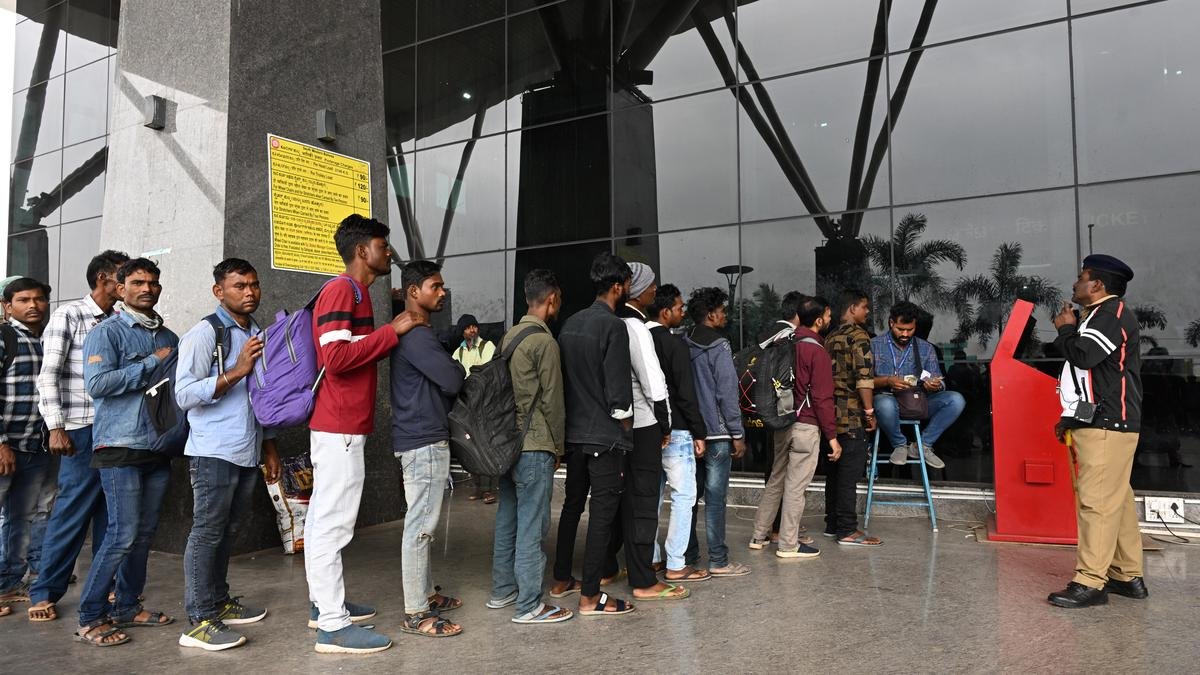
The global migrant numbers have doubled over the past three decades — rising from 153 million in 1990 to 304 million in 2024, show UN figures. Close to two-thirds of the migrants aged 15 and above are estimated to be migrant workers. Labour migration flows have diversified significantly, spanning new geographies and sectors. Destination countries are adopting increasingly skill-selective immigration regimes, while promoting short- to medium-term stays over permanent settlement. Pathways to permanent residence, citizenship, and family reunification are correspondingly becoming more restrictive.
India occupies a central place in this evolving global labour migration landscape. As the world’s largest migrant-sending country — with an estimated 18.5 million Indian citizens living abroad in 2024 — it is the largest recipient of remittances, amounting to a remarkable $130 billion in 2024. These numbers not only highlight India’s global footprint but also reinforce its responsibility to protect the rights and wellbeing of its migrant workforce. International Migrants Day, therefore, offers a compelling opportunity to reaffirm India’s commitment to safe, orderly, and rights-based migration.
The article highlights certain key policy priorities to strengthen migrant worker protection throughout the migration cycle that assert a clear principle: robust and equitable international migration governance architecture must place the migrant worker firmly at the centre.
High recruitment costs
Exorbitant recruitment costs borne by low- and semi-skilled migrant workers remain one of the most persistent challenges in India’s labour migration system. Although the Emigration Act, 1983 — India’s primary legal framework governing the recruitment of these workers — prescribes a ceiling of ₹30,000 as the maximum service charge for recruiting agents, actual expenses incurred by migrants commonly far exceed this limit. Studies consistently reveal that workers end up paying at least four to five times the stipulated amount. These high upfront costs are often financed through informal borrowing at steep interest rates, placing significant financial strain on migrant households. A substantial portion of migrants’ early earnings is consequently diverted to debt servicing rather than improving family welfare. To ensure fair and ethical recruitment, this cost burden must be drastically reduced — and ideally eliminated — by shifting agency fees to employers who benefit from migrant labour.
A key driver of these excessive costs is the extensive network of informal subagents operating outside the legal and regulatory framework. These intermediaries, often engaged by licensed private recruitment agencies, charge additional fees — purportedly for securing visas or work permits —without providing receipts or documentation. The longer the chain of subagents, the higher the cost of migration. Their clandestine operations leave migrants with little legal recourse; even when complaints are filed, the absence of evidence hampers enforcement. An urgent and necessary reform is to bring subagents within the ambit of the Emigration Act, making them visible, accountable, and subject to clear legal obligations. Licensed recruitment agencies must be required to formalise their engagements with subagents through legally enforceable contracts. Strengthening transparency and accountability in this manner will incentivise agencies to minimise reliance on intermediaries and adopt more direct, responsible recruitment practices.
Synergising skills and labour migration
Skills are becoming pivotal in shaping the nature and patterns of global migration flows. Policies to advance skill-centric international labour migration must encompass the full spectrum of skills — low, medium, and high — rather than focusing predominantly on highly skilled mobility. A truly effective approach requires situating skills within a comprehensive migration cycle framework, with coordinated interventions at every stage: pre-departure, employment abroad, and return with reintegration.
In the pre-migration phase, the emphasis should be on targeted, demand-driven training aligned with clearly identified skill shortages and job requirements in destination labour markets. Selected vocational education and training institutions — such as designated Industrial Training Institutes (ITIs) in regions with high migration intensity — should be upgraded as Centres of Excellence, capable of delivering world-class training and supporting pathways to better-quality international employment.
At the destination, strong measures are needed to ensure that migrant workers are employed in roles that match their certified skills and contractual terms, thus preventing deskilling. India must proactively engage with destination-country authorities to facilitate formal recognition of skills acquired abroad — whether through on-the-job learning or further training — ensuring that migrants return with portable and accredited competencies.
Skill assessment conducted both pre-departure and post-arrival can be an effective instrument to support successful reintegration, enabling returning migrants to leverage newly acquired skills for productive reinsertion into the domestic labour market. Such an integrated and skill-responsive approach will enhance the developmental gains from international labour migration for workers, their families, and the economy.
Outcome-oriented bilateral agreements
Despite their economic indispensability, migrant workers are concurrently exposed to an evolving spectrum of complex vulnerabilities. These include the destabilising effects of geopolitical tensions, the rise of restrictive nationalist policies, and disruptions in global trade networks, all of which compromise their security and welfare. Considering that the influence of multilateral instruments is declining in migration governance, despite the explicit inclusion of migrant-centred targets within the Sustainable Development Goals, 2030 Agenda, India should forefront bilateral agreements with destination nations that focus on the rights, security, and welfare of migrant workers. The outcomes and effectiveness of such bilateral agreements, including those signed in recent years, should be rigorously evaluated to ensure they deliver promised worker protection and welfare.
India’s global standing as a migration powerhouse must be matched by an uncompromising dedication to the dignity and empowerment of its workers. Placing migrant workers at the centre of policy is not just good governance — it is a strategic necessity, and an investment in India’s future.
S.K. Sasikumar is a labour and migration analyst and former senior faculty at V.V. Giri National Labour Institute; views expressed are personal
Published – December 18, 2025 12:20 am IST
Discover more from News Link360
Subscribe to get the latest posts sent to your email.