


Smarter sourcing: Navigating import complexity in a volatile world

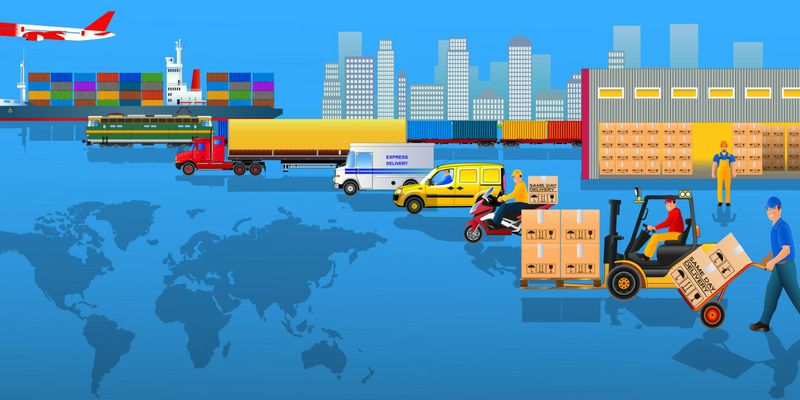

“In an unpredictable world, the cheapest option is rarely the safest.”
Global trade is set to surpass $33 trillion in 2025. Yet for businesses reliant on imports, navigating this massive network has never been more challenging. Geopolitical shifts, volatile prices, changing regulations, and growing sustainability demands are making global sourcing more complex.
For import-dependent businesses, relying solely on low-cost, single-source suppliers is no longer a viable strategy, it exposes them to risks that can disrupt operations, inflate costs, and damage competitiveness.
The rising complexity of global supply chains
There are many reasons why import complexity has grown more profound in recent years. Geopolitical volatility tops the list. Trade tensions, sanctions, and shifting tariff policies can transform the price of goods overnight. Political developments in large economies often cascade across the world’s supply chains, affecting everything from shipping routes to the availability of materials.
Economic volatility adds to this problem. Inflation, currency fluctuations, and unpredictable freight costs make it harder to predict landed costs and defend margins.
Compliance and regulatory requirements are also increasing. Altering environmental regulations necessitate that companies authenticate their entire supply chain, from raw materials to finished products.
Beyond a legal problem, non-compliance can also impose reputational damage. Additionally, logistics disruptions precipitated by uncertainties, intense weather, or port backlogs have the potential to propagate through supply chains and create delays and stockouts. Ultimately, supplier stability is an ongoing concern. Inconsistencies in quality, failed deliveries, and communication breakdowns can disrupt operations, especially when a firm relies on a concentrated supplier base.
Why traditional sourcing models are no longer enough
Usually, numerous companies prioritise cost optimisation by relying on single-source low-cost suppliers and just-in-time inventory models. Although cost-efficient in stable conditions, this system makes companies susceptible during volatile times.
The recent years have proven that the source of disruptions can be anywhere: a political dispute in a source market country, unexpected changes to regulations, or even natural disasters. In this context, cost efficiency alone cannot lead to sustainable growth; flexibility and agility have to be equally emphasised.
Strategies for smarter sourcing
Businesses require a multifaceted approach to prosper in an uncertain environment. Including technology, flexibility, and risk management in procurement choices is known as “smarter sourcing.”
1. Leverage technology for end-to-end visibility
Digital technologies can shift supply chain management from response-driven to anticipatory. Real-time monitoring systems, AI analytics, and predictive models generate transparency into shipments, inventory levels, and vendor performance. This information enables enterprises to foresee disruptions, adjust procurement strategies, and make informed decisions regarding cost, lead time, and risk when it comes to suppliers.
2. Diversify supplier bases
Dependence on one supplier or nation raises the risk of local shocks. Businesses can avoid this vulnerability by acquiring products from various regions and suppliers. Diversification is all about opening up opportunities to access emerging markets, try out various manufacturing capabilities, and achieve competitive pricing.
3. Explore nearshoring and friend-shoring
Bringing in closer to important markets some of the production via nearshoring or friend-shoring lowers lead times, transportation costs, and geopolitical risk exposure. For instance, sourcing from politically friendly or economically secure nations can shield operations against an unexpected disruption of trade. Though not always possible for high-capital goods, this can be extremely effective for products with shorter production cycles or lower technology complexity.
4. Build transparency and strong supplier relationships
End-to-end supply chain transparency is now a competitive differentiator. By knowing the origin, working conditions, and environmental footprint of every supplier, companies can not only comply with regulations and ESG demands but also gain customer confidence and secure premium prices. Long-term relations with good supplier partners promote collaboration in times of disruption.
5. Balance inventory models
In a turbulent world, just-in-time inventory management is risky. Firms are increasingly following a “just-in-case” tactic, holding strategic safety stock in vital items to act as a cushion against delays or shortages. Combined with dynamic demand management, this will ensure that supply continuity is maintained despite fluctuations in external conditions.
International trade is flourishing, but volatility is putting each connection in the supply chain to the test. Firms that diversify their suppliers, establish strong relationships, and employ technology to track shipments can make disruption a strength.
Nowadays, cost isn’t enough, but transparency, flexibility, and responsiveness are equally important. Businesses that practice smarter sourcing not only defend operations; they prosper, converting UNCERTAINTY into OPPORTUNITY. The time to act is now: rethink sourcing strategies and build supply chains that are robust, foolproof, and ready for whatever the global market throws next.
Pushkar Mukewar is the Founder and CEO of Drip Capital
Discover more from News Link360
Subscribe to get the latest posts sent to your email.