


Sarla Aviation begins ground testing of electric air taxi demonstrator
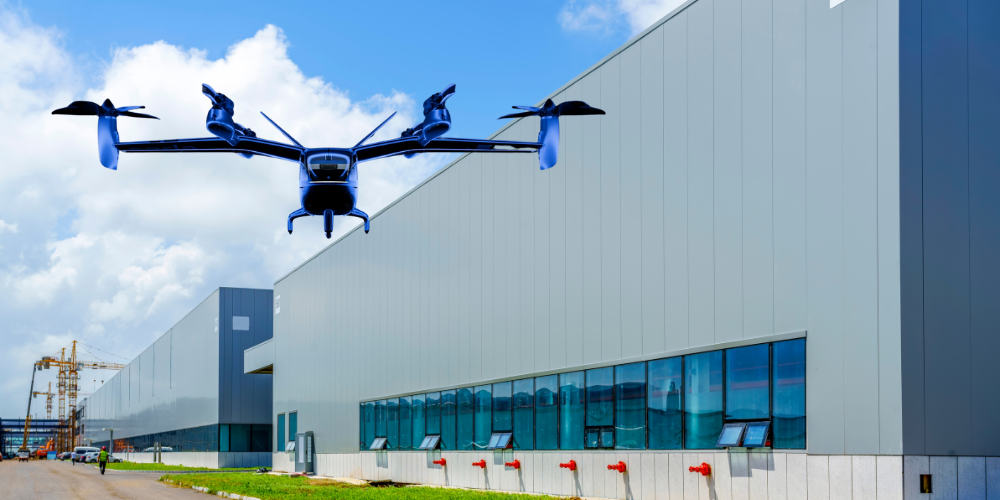
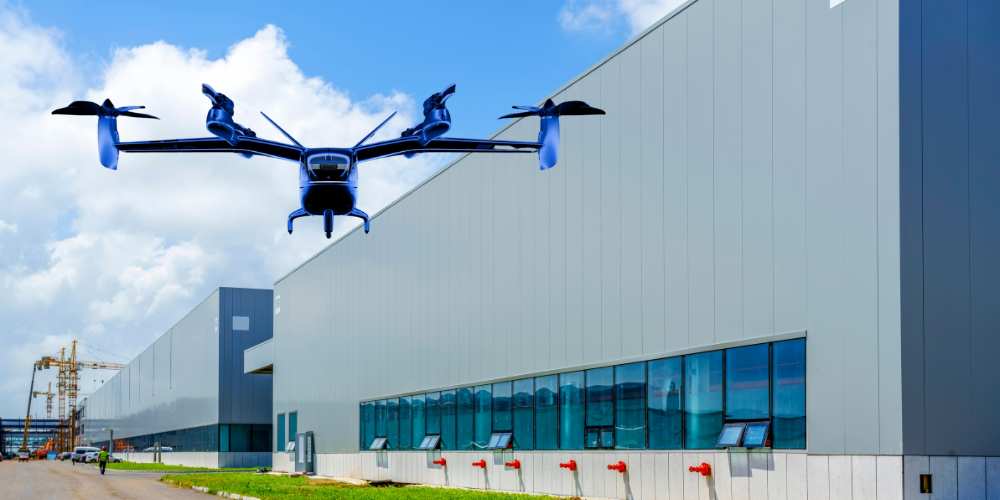

The demonstrator, called SYL-X1, has a wingspan of 7.5 metres and is tested at the company’s facility in Bengaluru.
According to Sarla Aviation, the aircraft is designed to validate key systems, including structure, propulsion integration, and safety architecture, before progressing to a full-scale prototype.
Ground testing moves the startup’s air taxi programme beyond simulations and laboratory models into aircraft-scale validation. It said that SYL-X1 is designed with certification intent, with plans to develop a full-scale eVTOL aircraft with a wingspan of around 15 metres in future.
Sarla Aviation was founded in 2023 by former Lilium executives Rakesh Gaonkar and Adrian Schmidt. The company is part of a small but growing group of Indian startups working on advanced air mobility technologies—an area in its early stages domestically compared to the US, Europe, and China.
.thumbnailWrapper{
width:6.62rem !important;
}
.alsoReadTitleImage{
min-width: 81px !important;
min-height: 81px !important;
}
.alsoReadMainTitleText{
font-size: 14px !important;
line-height: 20px !important;
}
.alsoReadHeadText{
font-size: 24px !important;
line-height: 20px !important;
}
}

The company said the development of SYL-X1 took around nine months and was carried out entirely in India. During this period, Sarla Aviation expanded its engineering team to nearly 70 people and also produced a full-scale static aircraft for display at the Bharat Mobility event earlier this year.
Sarla Aviation has raised a total of $13 million in funding to date. Its long-term plans include developing a six-seater electric air taxi intended for use in congested urban corridors, positioning the aircraft as an alternative to helicopters for short-distance travel.
While India’s regulatory framework for eVTOL operations is still evolving, companies such as Sarla Aviation are beginning early-stage testing to prepare for eventual certification and commercial deployment.
Industry observers note that progress in advanced air mobility will depend less on concept announcements and more on sustained execution across testing, certification, and manufacturing over the coming years.
Discover more from News Link360
Subscribe to get the latest posts sent to your email.