

How young Indians use student credit cards to build a credit score before their first job
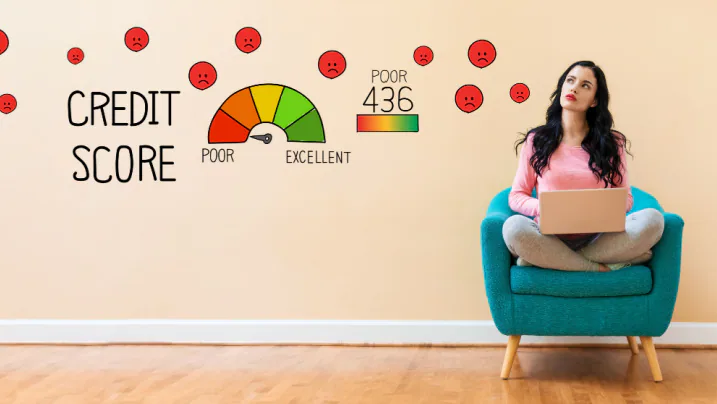

With banks introducing student-friendly credit cards that come with low barriers to entry, zero annual fees, and controlled limits, credit is becoming an early financial learning tool rather than a post-employment privilege.
At their core, credit cards offer two things students increasingly value: convenience and rewards. Cashback, discounts, and merchant offers make them attractive alternatives to cash or UPI for regular spending. More importantly, when used responsibly, they help establish a credit score, an asset that plays a critical role later when applying for education loans, personal loans, or even rental agreements.
Benefits beyond building a credit score
Student credit cards today go beyond credit history building. Products like the IDFC FIRST WOW! Credit Card offer features such as zero joining and annual fees, interest-free cash withdrawals for up to 45 days, and rewards on everyday spending. Because the card is backed by a fixed deposit chosen by the student, it allows first-time users to access credit without income proof—while keeping risk under control.
This is how students are using credit cards responsibly:
- Fuel and commuting expenses: With two-wheelers being the most common mode of transport for college students, fuel expenses are a natural fit for card usage. Some student credit cards offer cashback on fuel, helping students save while keeping spending predictable.
- Dining out and social spends: From cafés to restaurants, students often dine out in groups. Credit cards for students with dining offers help track discretionary spending while maximizing benefits—without relying on cash or multiple UPI transfers.
- Books and stationery: Semester-start expenses like textbooks, notebooks, and supplies are ideal for credit card use. Buying these through ecommerce or quick-commerce platforms ensures consistent card usage while covering essential costs.
- College fee payments: Some private institutions allow semester fees to be paid via credit card. This can significantly boost a student’s credit profile, as education fees are high-value, planned expenses. A strong credit history can later support education loan applications.
Timing and discipline matter
Students should know when to choose the ‘Credit Card Apply’ option. It’s best to apply for a credit card when they have regular, predictable expenses. This ensures responsible usage and avoids impulsive spending, something financial advisors caution against for first-time credit users.
Equally important is on-time repayment. Most student credit cards offer a grace period after statement generation, giving students enough time to plan payments. Missing due dates can hurt credit scores early, while consistent repayments build trust with lenders.
Maintaining low credit utilisation—using only a small portion of the available limit—is another habit that positively impacts credit scores. Since student expenses are typically modest, staying within this range is often easier than expected.
Choosing the right credit card
Not all credit cards are designed for first-time users. Banks like IDFC FIRST Bank have introduced student-focused products that prioritize simplicity, transparency, and digital-first management. Features like app-based controls, spending insights, and zero-fee structures make them more suitable for young users still learning financial basics.
The bigger picture
For India’s students, credit cards are becoming a stepping stone into formal financial systems. Used carefully, student credit cards can help young adults develop discipline, understand borrowing, and build a credit score well before their first paycheck arrives. As financial literacy improves and banks continue to design products for first-time users, early credit adoption, done right, could become a defining advantage for the next generation of Indian professionals.
(Disclaimer: The views and opinions expressed in this article are those of the author and do not necessarily reflect the views of YourStory.)
Discover more from News Link360
Subscribe to get the latest posts sent to your email.