


Blinq Mobility Secures Rs 4.3 Cr in Pre-Seed Round to Advance Urban EV Transport
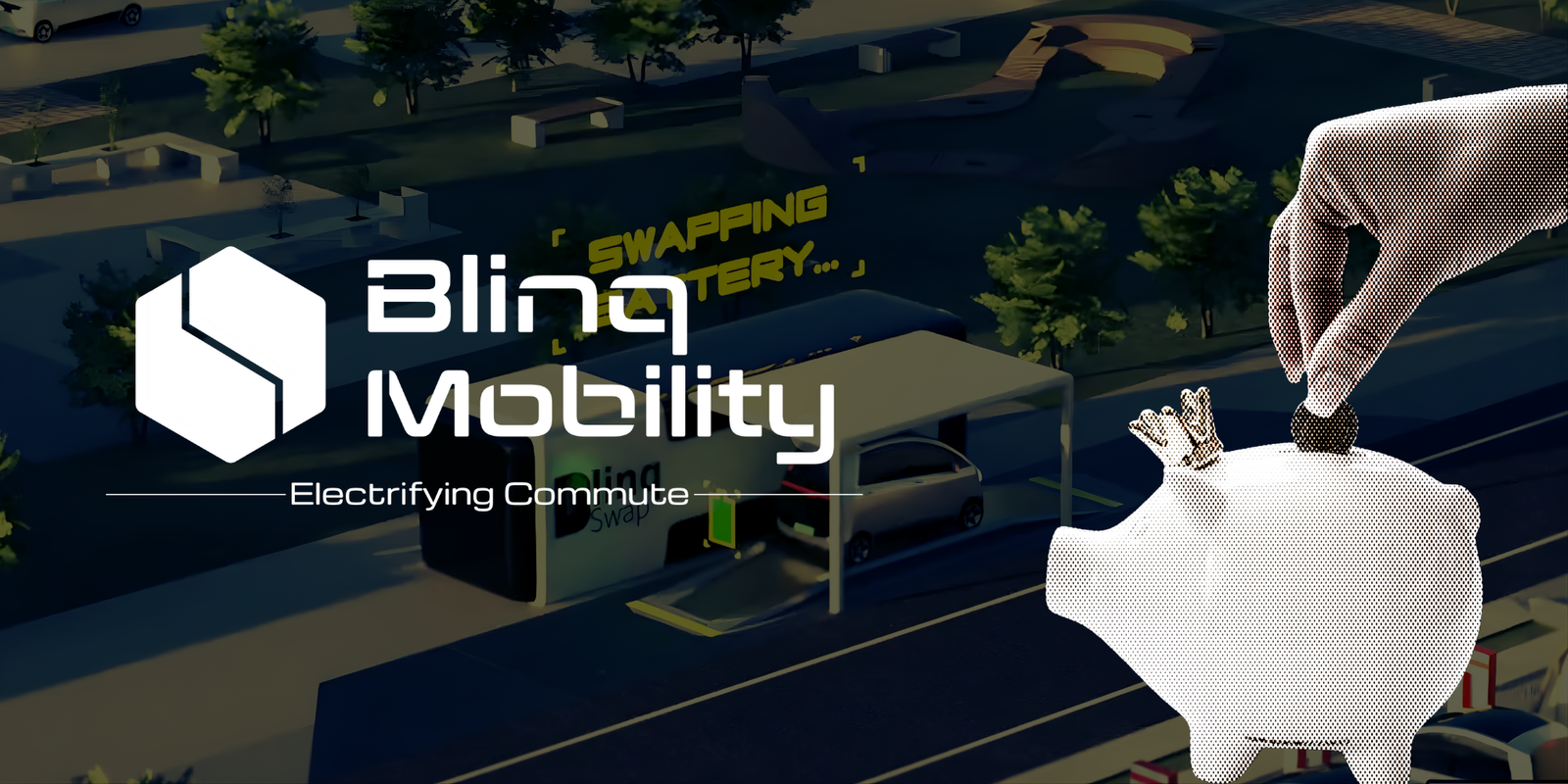

Founded by alumni of IIT Delhi, Blinq Mobility is developing electric vehicles (EVs) designed for high-utilization city transport. The founding team brings experience from Formula Student electric race cars and EV component development. CTO Ankit previously contributed to Tesla’s Cybertruck and Robotaxi programs, while Abhilasha offers expertise in battery chemistries and EV systems.
Battery swapping at the core
Blinq is addressing two significant barriers in EV adoption: high upfront costs and long charging times. Its modular EV platform is built around a battery swapping model, developed as an integrated vehicle and energy system rather than as an add-on. This design enables quick battery exchanges, reducing operational downtime.
Key funding highlights:
- Total raised: Rs 4.3 crore in pre-seed round
- Lead investor: 8i Ventures
- Other backers: IIMA Ventures, AIC Banasthali Vidyapith, Pharos Ventures, Operators Studio, and angel investors including Neil Shroff, Arun Kumar Mahala, Sarita Ahlawat, and others
- Use of funds: Product development, vehicle engineering, battery systems, swapping stations, and pilot programs with ride-hailing partners
Targeting high-usage urban fleets
For vehicles operating 16 to 20 hours a day, such as in fleet logistics and ride-hailing, charging delays can be a major constraint. Blinq aims to address this by offering batteries through a subscription model and enabling rapid swaps at dedicated stations. This approach lowers initial vehicle costs and supports continuous usage.
Institutional support and pilot plans
Blinq is incubated at the Automotive Research Association of India (ARAI), which provides guidance on engineering, certification, and compliance. The startup also receives support from AIC Banasthali, FIIRE Goa, and the Deshpande Foundation through funding, infrastructure, and mentorship.
After successful real-world validation of its prototype vehicle and swapping system, Blinq is preparing for pilot rollouts with fleet partners. These pilots will also explore integration with fleet analytics and software.
Business model and scalability
Blinq’s business model includes:
- Vehicle sales or leasing
- Battery subscription fees
- Swapping station services
- Fleet management software (in development)
The pricing model is structured to offer a total cost of ownership that is competitive with traditional and plug-in EV options. The modular design supports scalability across cities and mobility applications.
Future outlook
In the near term, Blinq will focus on pilot deployments and scaling its production capabilities. Over the long term, the company plans to develop a global platform for modular, swappable EVs that can be adapted for various urban mobility needs. “The best way to charge an EV is not to charge it at all, just swap and go,” the Blinq team noted.
Path toward clean urban transport
Blinq’s platform aims to deliver practical solutions to urban EV adoption. With institutional backing, a purpose-built system, and a focus on operational efficiency, the company is contributing to the broader push for sustainable and scalable urban mobility.
Discover more from News Link360
Subscribe to get the latest posts sent to your email.