


Tamil Nadu extends 100% EV road tax exemption till 2027: What it means for buyers
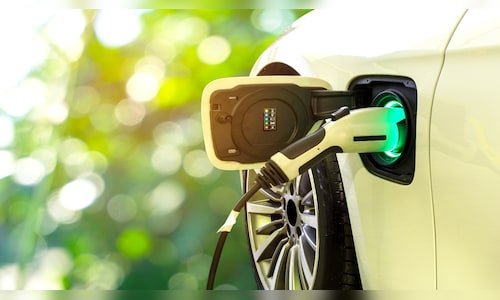
The decision comes at a time when EV adoption in Tamil Nadu continues to grow, although progress remains uneven across segments and regions.
Tamil Nadu extends EV road tax exemption to 2027The road tax waiver was first introduced under the Tamil Nadu Electric Vehicle Policy in 2019. Initially valid until 31 December 2022, it was later extended to the end of 2025.
With that deadline approaching, industry bodies and manufacturers requested that the incentive be continued — a recommendation the state has now accepted.
What the EV tax waiver means for buyers and manufacturers
Road tax forms a significant part of the upfront cost of a vehicle. For electric vehicles, removing this cost lowers the entry barrier for buyers — particularly in the two-wheeler and compact car segments.The extension also offers manufacturers greater planning certainty. Factories, suppliers, and charging infrastructure projects typically operate on multi-year timelines, and short incentive windows complicate investment decisions. A longer policy horizon changes those calculations.
EV adoption levels and remaining challenges in the state
Electric vehicle adoption in Tamil Nadu has reached about 7.8 per cent in 2025, according to industry estimates.
Growth has been stronger in electric scooters and delivery fleets compared with passenger cars. Charging infrastructure remains uneven outside major cities, while grid modernisation and battery supply chains are still developing.
The extension does not resolve these structural challenges — it simply keeps the current incentive framework in place.
Officials say the measure is intended to:
- reduce purchase costs for consumers
- encourage a shift away from petrol and diesel
- support local manufacturing and supplier ecosystems
- contribute to lower urban air pollution over time
It also places Tamil Nadu among the few Indian states offering a full road tax exemption on EVs for such an extended period.
The exemption now runs through the end of 2027. Other elements of the state’s EV policy — including charging deployment, grid integration, and battery recycling — are expected to be addressed separately.
Discover more from News Link360
Subscribe to get the latest posts sent to your email.