

On the quest for ‘consistency’: How a kabaddi player became a fitness entrepreneur
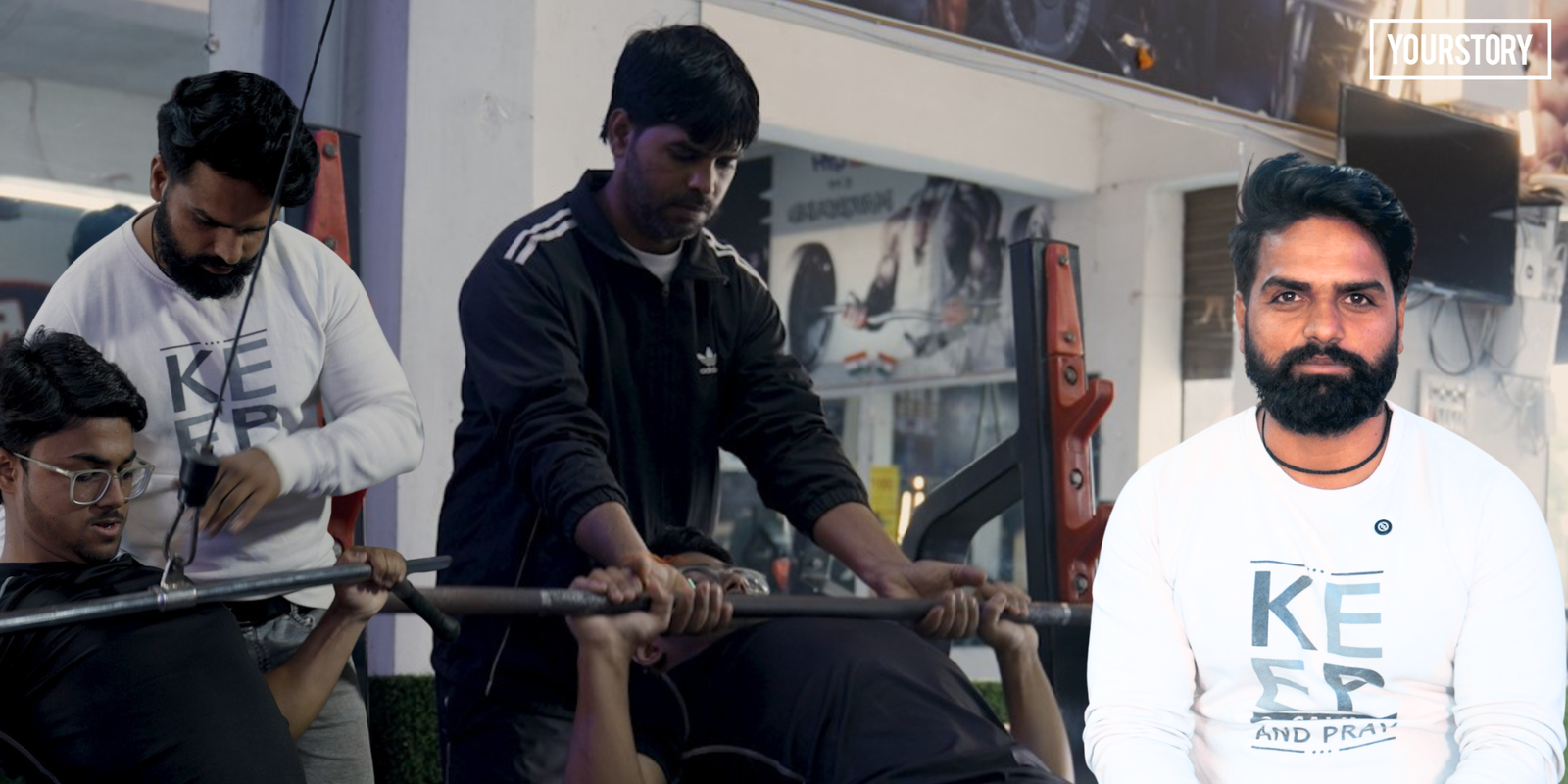
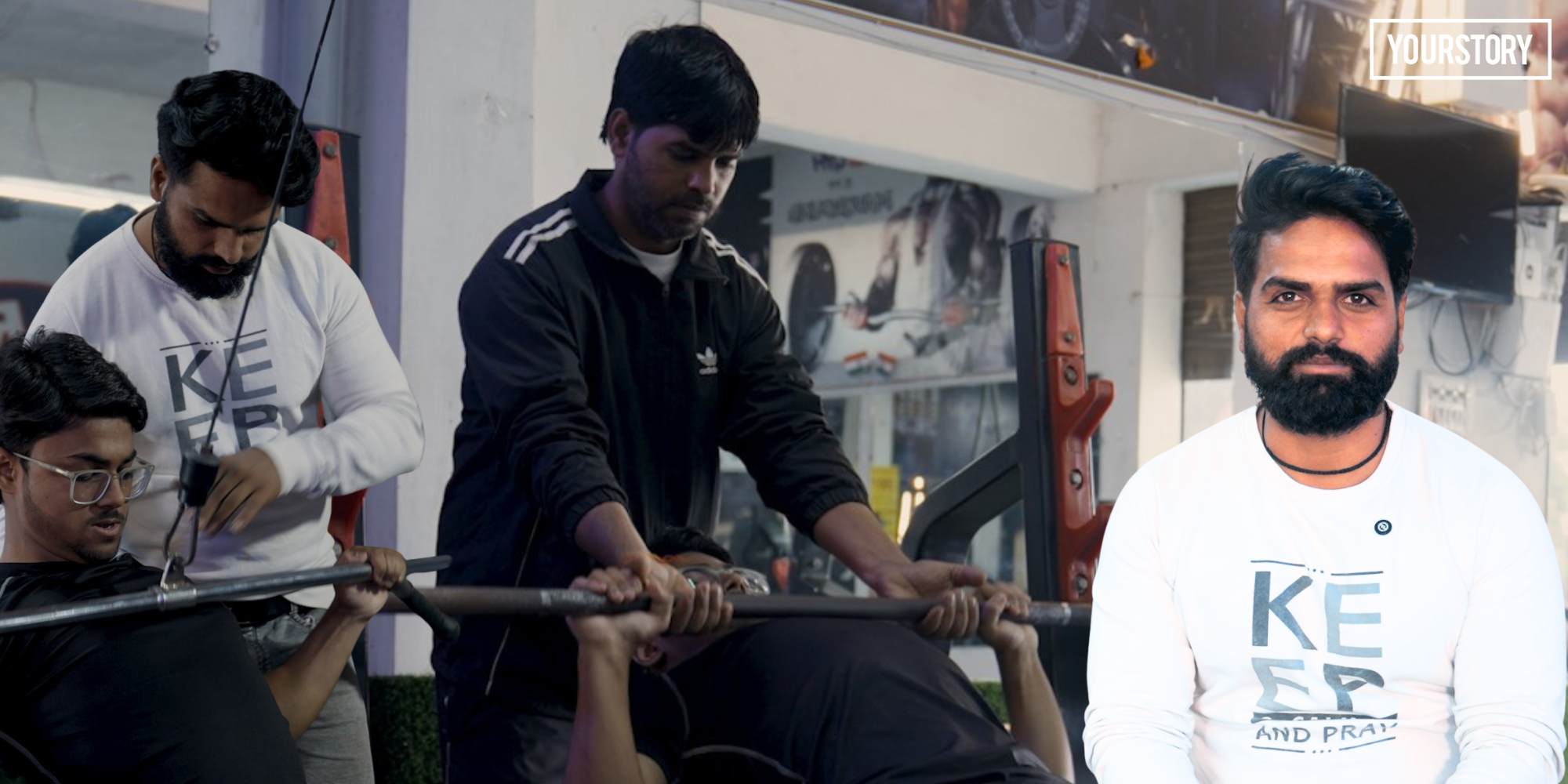

Shukla, also known locally as Satya Shukla, has been involved in fitness since his teenage years. He trained in Punjab, played kabaddi in his early days, and learned weight training long before opening his own space.
It was in 2012 that Shukla began thinking about running a place that worked for his town. “I never wanted a fancy shop. I wanted a gym people could use every day,” he says.
A local market, not a big-city bet
The first step was deciding to return home. In Balrampur, the market is steady, not seasonal, and members range across age groups.
Elderly men walk in with sticks; teenagers come after school; some arrive overweight and leave fitter within months, following basic diet plans without supplements. The gym runs on routine more than rush.
Shukla explains that this mix keeps the business grounded. Numbers go up and down. Some months have more members, while others have fewer. There are no dramatic spikes or long shutdowns. The gym employs a few local helpers for cleaning and support, while Shukla remains the trainer on the floor.
The gym offers strength training and fitness guidance to local residents. The focus is on regular workouts, basic diets, and supervision. The aim is consistency, not quick results.
When support becomes necessary
At one point, Shukla felt the limits of personal savings. Equipment costs money, and capital is needed to set up a gym. Friends and family encouraged him to explore government support. He applied, submitted documents, and waited. The response, he says, came faster than expected.
Through the Chief Minister Yuva Udyami Vikas Abhiyan (CM YUVA) Yojana, he received financial support that helped him buy machines, formalise the setup, and put the remaining funds into running the gym. Later, he also completed short-term training linked to the scheme, in addition to his earlier years of learning.
He is careful not to oversell the experience. There was a process. Paperwork mattered. Ownership and basic certificates were required. Family backing helped him take the step when resources were limited.
A place that stays
Today, Shukla measures success quietly. He does not talk about expansion across districts yet. First, he wants this place to hold. Schools and colleges are coming up nearby, leading to more young customers. Keeping this in mind, membership fees are kept manageable so students can afford them.
His message to others is practical: go to the district office and ask questions. Apply only if you know the work. “If you don’t want to run it yourself, there is no point,” he says.
For now, the gym remains what he intended — a neighbourhood space that is open every day. Built around the local market, it is steady, even if not perfect.
Discover more from News Link360
Subscribe to get the latest posts sent to your email.