
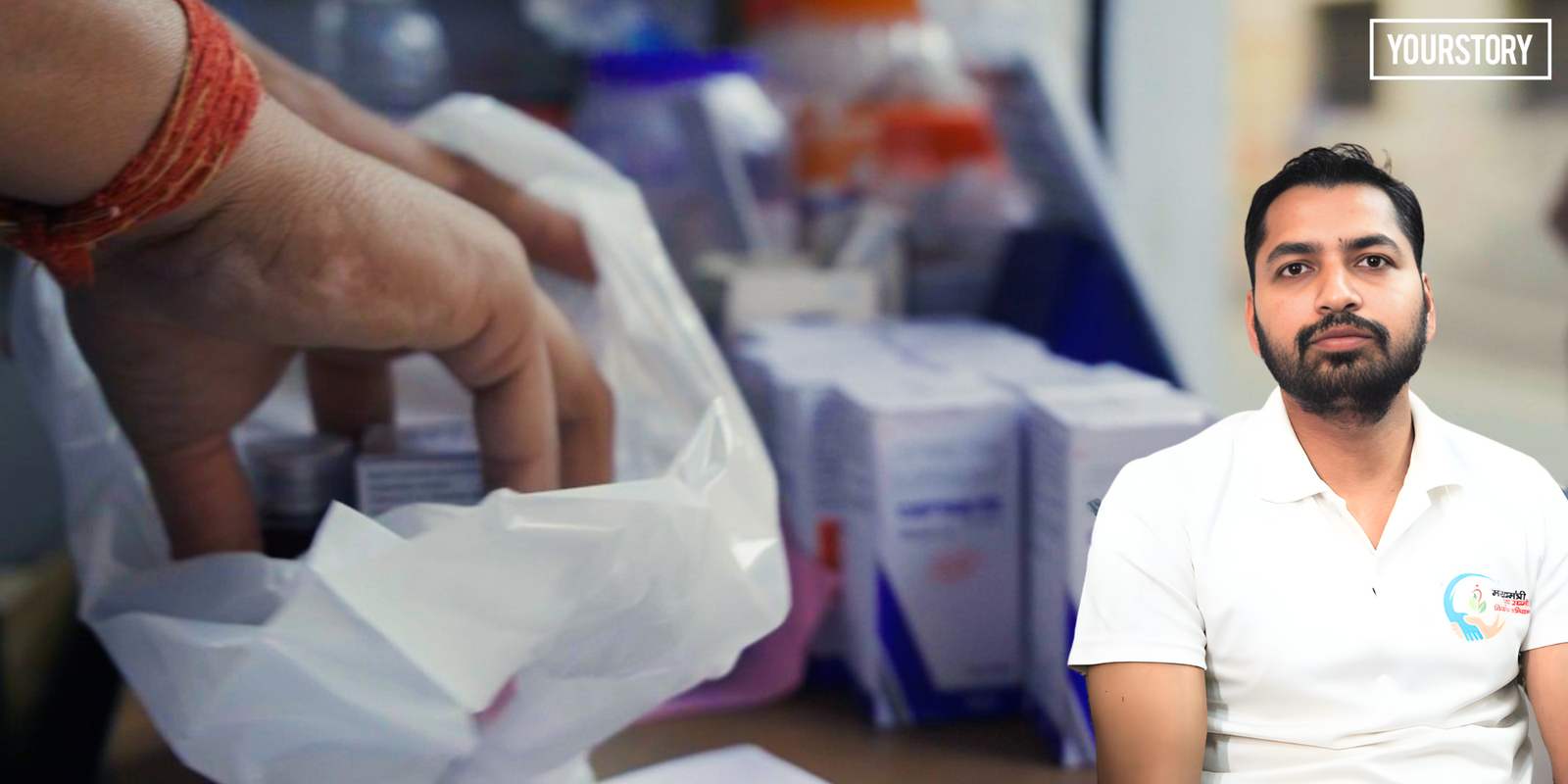
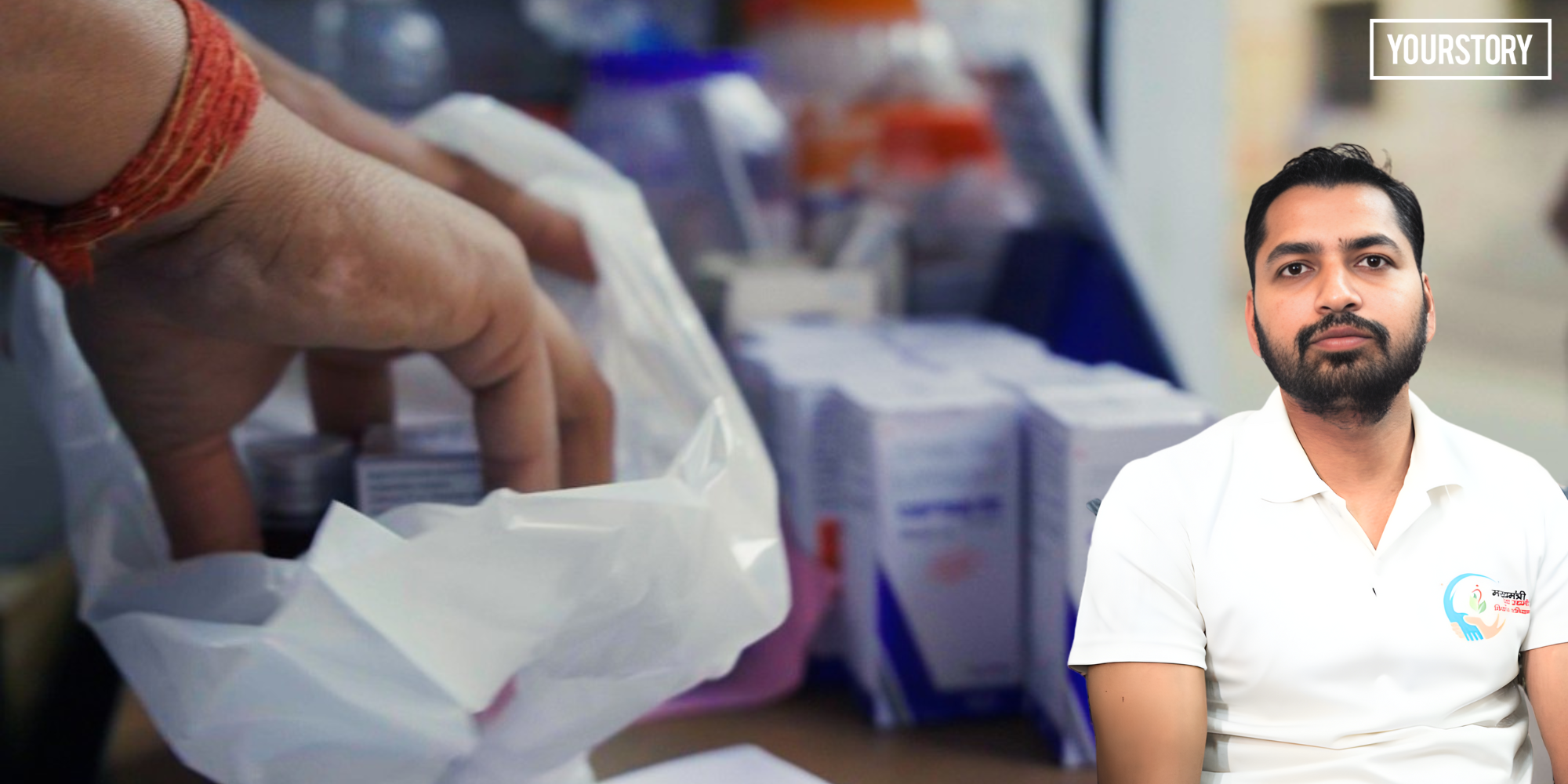

Based in Hapur district, his journey is less about quick success and more about learning to manage supply, money, and trust at the local level.
Saini completed his schooling and later studied science before realising that regular job opportunities were limited. To earn a living, he began working at a medical store. The pay was modest, but the exposure mattered.
Over time, he observed how medicines were sourced, how margins worked, and how relationships with suppliers and customers were built. What began as a job slowly turned into informal training.
From employee to owner
The turning point came when Saini decided to formalise his learning. He enrolled in a B Pharm course and completed it over several years. Even after qualifying, stable jobs were hard to find.
By then, he was already clear about one thing: if he wanted stability, he would have to create it himself.
Opening a medical store, however, brought its own challenges. Licences cost money, stock needed upfront investment, and suppliers needed assurance. But Saini did not have enough capital.
He borrowed small amounts from people he knew and used limited family savings to get started. In the early days, supply was the biggest hurdle — distributors were cautious, orders were small and transport was unreliable.
With no delivery system in place, Saini used what he had. He delivered medicines on a bicycle from his home. Some days brought only one or two customers. Other days passed quietly.
Still, he kept going, focusing on consistency rather than volume. “I first focused on learning the basics, because only that helps you move ahead,” he says.
Today, his medical store serves local residents, providing essential medicines and basic healthcare products. It operates as a neighbourhood business, built on regular customers rather than high footfall.
Support at a critical stage
In March 2025, while speaking with bank officials, Saini learned about the Mukhyamantri Yuva Udyami Vikas Abhiyan (CM YUVA) Yojana. He applied through the bank using basic documents linked to his education and account history.
Within a couple of months, Rs 5 lakh was credited to his account. He used the funds to strengthen inventory and manage supply more smoothly. The improvement was immediate: stock gaps reduced and customer confidence grew.
Now, the store runs more steadily. However, Saini remains cautious with spending and clear about priorities. He does not see the loan as an end point, but as breathing room.
Looking back, his journey reflects the reality of many small-town entrepreneurs. Progress came not from a single decision, but from years of observing, learning, and adapting to local constraints.
For Saini, the bicycle deliveries and slow days were not setbacks. They were part of the groundwork that made his business viable.
Discover more from News Link360
Subscribe to get the latest posts sent to your email.