

It was COVID-19, and his work meant regularly looking at financial statements of larger companies, reading what made some businesses steady while others stayed fragile. He started noticing patterns he could measure, margins that held up, demand that did not disappear, and one category that felt unavoidably present in everyday life.
Spices, he felt, were not a luxury that people could easily drop. At the same time, he was seeing constant talk around adulteration in the market, including in raw materials, and it was not an abstract concern for him.
Like many households, he said, his own family was also affected by what they brought home, and that discomfort pushed him towards a simple starting point: if he entered the space, he would not compete on shortcuts.
From the beginning, he framed it around two ideas he kept returning to:, quality and consistency. “We decided from day one that we will not go into adulteration, we will only give pure products,” says Sharma, explaining the principle in plain terms.
Making the numbers work
There was no one with a business background at home, he noted. His father is a farmer, while others in the family work in services, including government roles. That meant he had to build conviction without a ready-made template, starting with backend learning and market observation.
Sharma used the time to understand how established players worked, what machines they used, how they preserved products, and what standards they informally set in the market. He also did field checks, including in Khari Baoli, to understand the range in raw material quality, price points, and whether his assumptions could survive real competition.
The work formally began in 2021, but he kept it quiet at first, only telling his family in 2025 after he had already committed to it.
The financial plan mattered because it determined everything that followed, and when he came across a government loan support programme through online reels, he moved quickly from curiosity to paperwork, learning the process and approaching the DIC office with a document checklist.
Under Chief Minister Yuva Udyami Vikas Abhiyan, he applied through Punjab National Bank, and says the biggest delay came from branch-level capacity, before a manager change helped move the file ahead.
Building trust, slowly
With the funds, Sharma set up operations in Ghaziabad, and he brought in machinery, procured raw materials and packaging, handled trademark-related work, and hired a food consultant to standardise recipes.
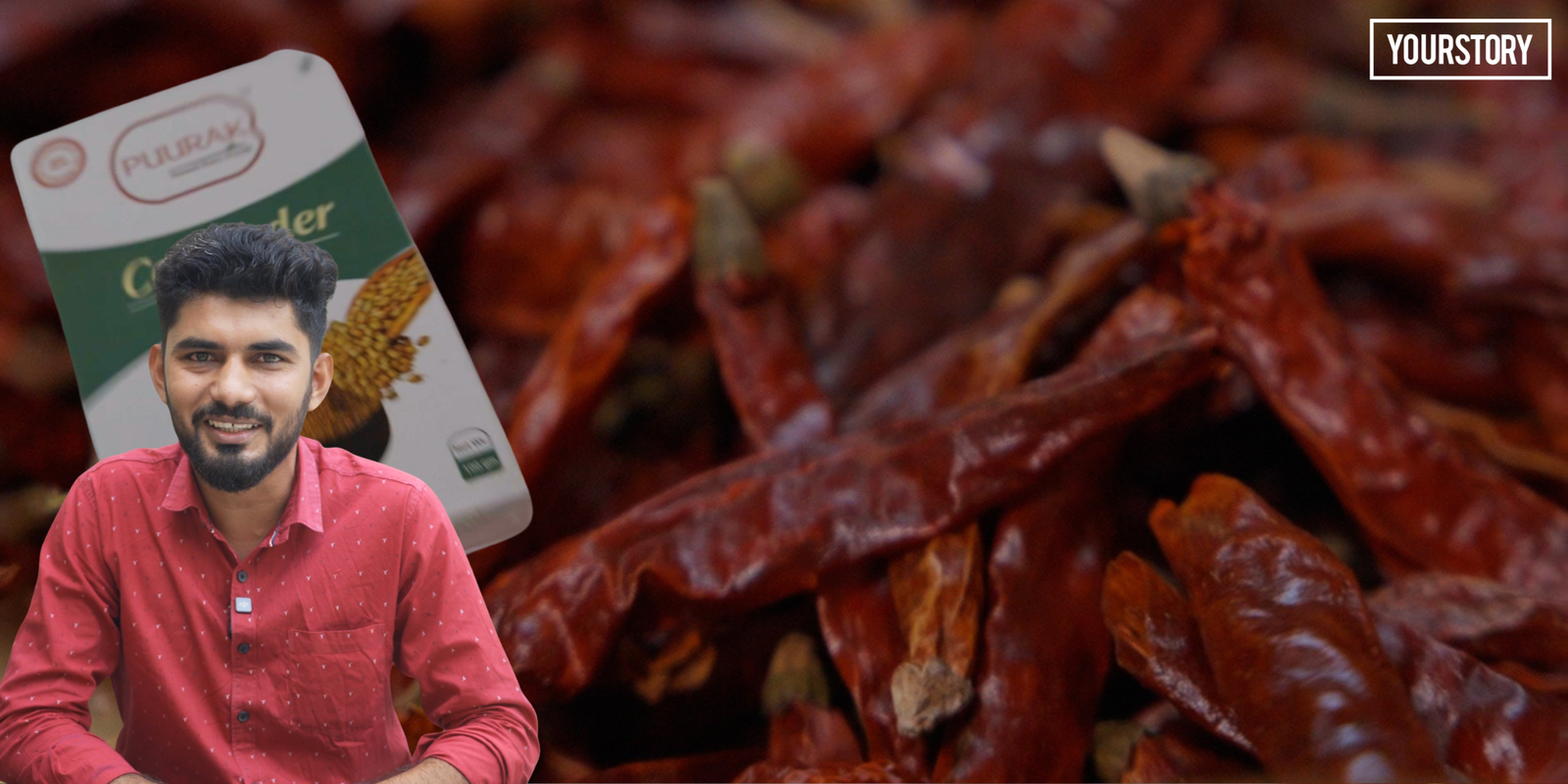
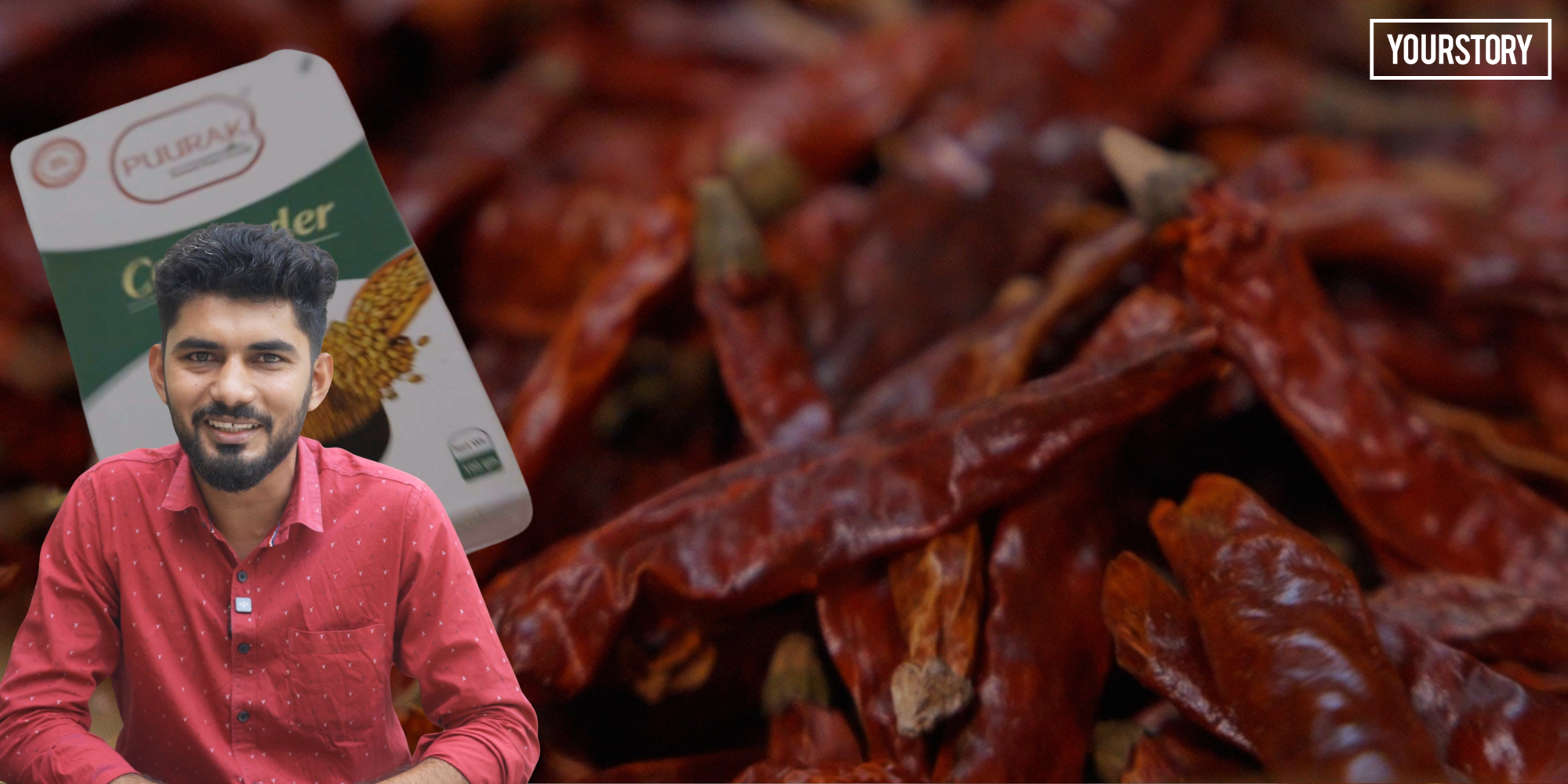
His brand, PooRak Spices, sells packaged spices with a focus on taste and product purity, currently reaching customers directly while also supplying retailers and caterers, because direct buyers give faster feedback. He works with a small team of five women who handle tasks from cleaning and sorting to grinding and packaging, while he manages sales and supply.
Even as he talks about growth, his language stays grounded in routines, standard checks, and the discipline of keeping taste consistent.
For Sharma, the shift from uncertainty to stability is less about dramatic change and more about the calm confidence that comes when daily work starts matching the numbers on paper, and a business that began as a lockdown thought now runs on repeatable habits.
Discover more from News Link360
Subscribe to get the latest posts sent to your email.